The Shrinking Map of Entry-Level Housing
First-time homebuyers are navigating a landscape where the classic starter home is becoming an endangered species. National inventory for entry-level properties has thinned significantly since 2019, forcing buyers to trade single-family suburban dreams for condos or shift their search to the more resilient markets of the American Midwest.
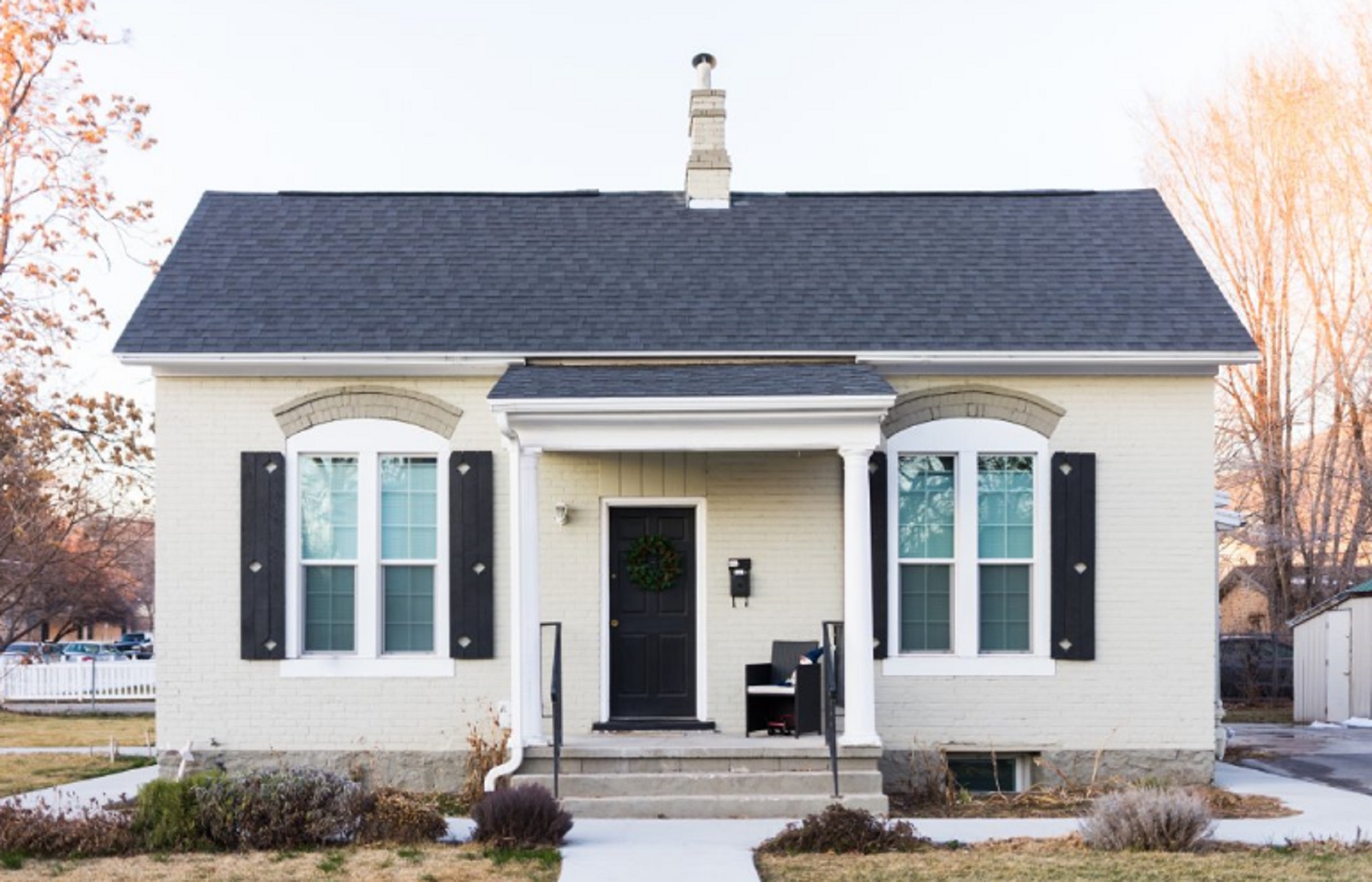
The share of starter-priced listings has dipped from 38.1% in 2019 to 36.2% as of August 2026. This decline represents a deficit of roughly 21,000 homes that would have otherwise been available to those entering the market. While the national price threshold for a starter home has climbed to $340,000, the inventory gap is hitting hardest in the Southeast and Sunbelt, where rapid pandemic-era price surges have yet to be met with a corresponding recovery in entry-level supply.
As single-family homes increasingly migrate into higher price brackets, condos and townhomes are filling the void. These properties now account for 27.1% of the starter market, up from 18% seven years ago. According to Hannah Jones, senior economist at Realtor.com, this shift reflects a necessary adaptation to a market where affordability is no longer just about the price tag, but the geographic availability of homes in viable neighborhoods.
Geography remains the ultimate filter for the modern buyer. While metropolitan averages often suggest a balanced market, the reality within city limits is frequently fractured. In Austin, for instance, only a small fraction of ZIP codes are classified as starter-dominant, leaving buyers with highly constrained options. Conversely, markets like St. Louis and Kansas City stand out for providing both a high share of affordable listings and a wider distribution of entry-level neighborhoods. For the prospective buyer, the path to homeownership now depends less on national trends and more on finding the specific pockets of the country where inventory has not yet been squeezed out.
Comments (0)
No comments yet. Be the first!