Alexa Plus is a capable home manager, but a flawed personal assistant
After testing Amazon’s AI-powered Alexa Plus for over a year, the assistant proves remarkably adept at managing household routines and smart devices, yet it falters as a personal aide. While it handles complex voice commands with newfound intelligence, the experience is frequently marred by aggressive display ads and inconsistent reliability.
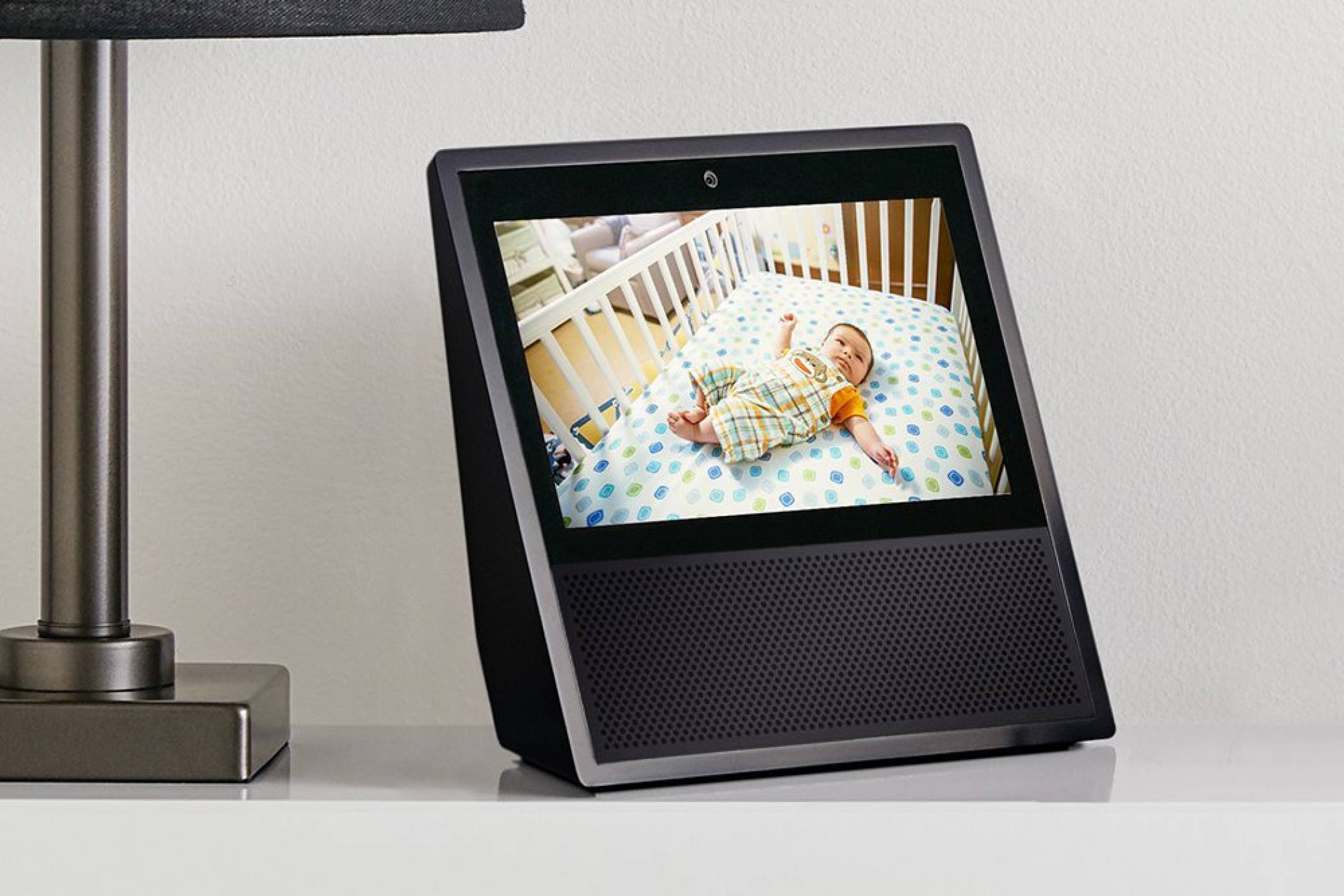
The transition to a generative AI-powered architecture has transformed Alexa from a rigid command-and-control tool into a more conversational assistant. It now understands natural language requests like "I'm cold" or "make it brighter" with impressive accuracy, and its ability to manage multi-step routines has significantly improved. In the kitchen, the assistant shines as a cooking companion, capable of recalling recipe details and answering follow-up questions without requiring constant repetition. However, this progress is undercut by the intrusive nature of the hardware. Echo Show devices have become rotating billboards for Amazon products, and the software often struggles with basic task completion, such as ordering food or managing calendar scheduling for family members.
The struggle for personal context
Amazon’s ambition to position Alexa Plus as a comprehensive personal assistant remains underbaked. The platform frequently suffers from memory lapses, such as misidentifying user details or failing to track scheduled events accurately. While the company is pushing toward an "ambient smart home" experience, the current implementation feels fragmented. To get the most out of the system, users must navigate a cumbersome app that still feels like a graveyard of legacy settings and duplicate devices. While Alexa remains the most functional platform for controlling smart home hardware, its failure to reliably handle agentic tasks suggests that Amazon should refocus on mastering the home environment rather than competing as a general-purpose AI bot.
Comments (0)
No comments yet. Be the first!