Decoding Dizziness: Dr. Nicole Anzalone on Vestibular Evaluations
Dizziness often stems from complex interactions between the inner ear, eyes, and brain, leaving patients searching for clarity amid vertigo or unsteadiness. Dr. Nicole Anzalone, an audiologist at Syracuse Hearing Solutions, highlights how specialized testing provides the measurable data needed to pinpoint the origins of balance dysfunction.
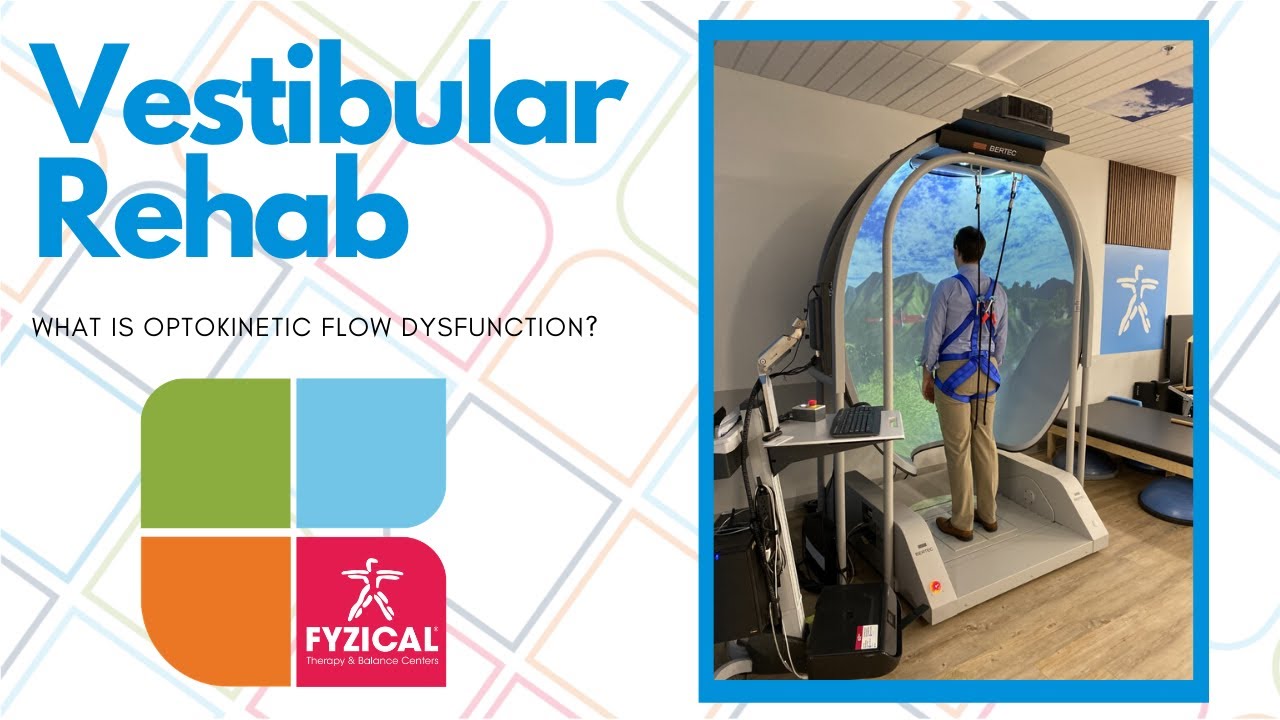
Vestibular testing serves as a diagnostic bridge, allowing clinicians to observe how the body's internal stability systems react to specific stimuli. The process begins with a comprehensive review of medical history, where the duration and triggers of dizzy spells help narrow the clinical focus. Because the vestibular system shares a deep neurological connection with eye movement, providers often utilize specialized equipment to monitor ocular responses while a patient tracks targets or shifts head position.
Physical stability assessments play a secondary role, requiring patients to maintain balance under varying conditions to reveal which sensory inputs they rely on most. For those experiencing vertigo triggered by movement, such as rolling over in bed, positioning tests involve deliberate head maneuvers to isolate inner ear issues. While some diagnostic steps may temporarily reproduce a patient's symptoms, this reaction is a critical indicator of how the balance system processes information. Following the evaluation, results are synthesized with the patient’s history to determine if treatments like vestibular rehabilitation or medication management are required.
Comments (0)
No comments yet. Be the first!