The Dual Edge of Android in Googlebooks
Living with the new Android-powered laptops feels like a volatile experiment in software integration. While the native app environment and seamless phone notifications offer glimpses of a sophisticated workflow, the underlying hardware-software marriage remains plagued by connectivity gaps and persistent, frustrating performance glitches that threaten to derail the user experience.
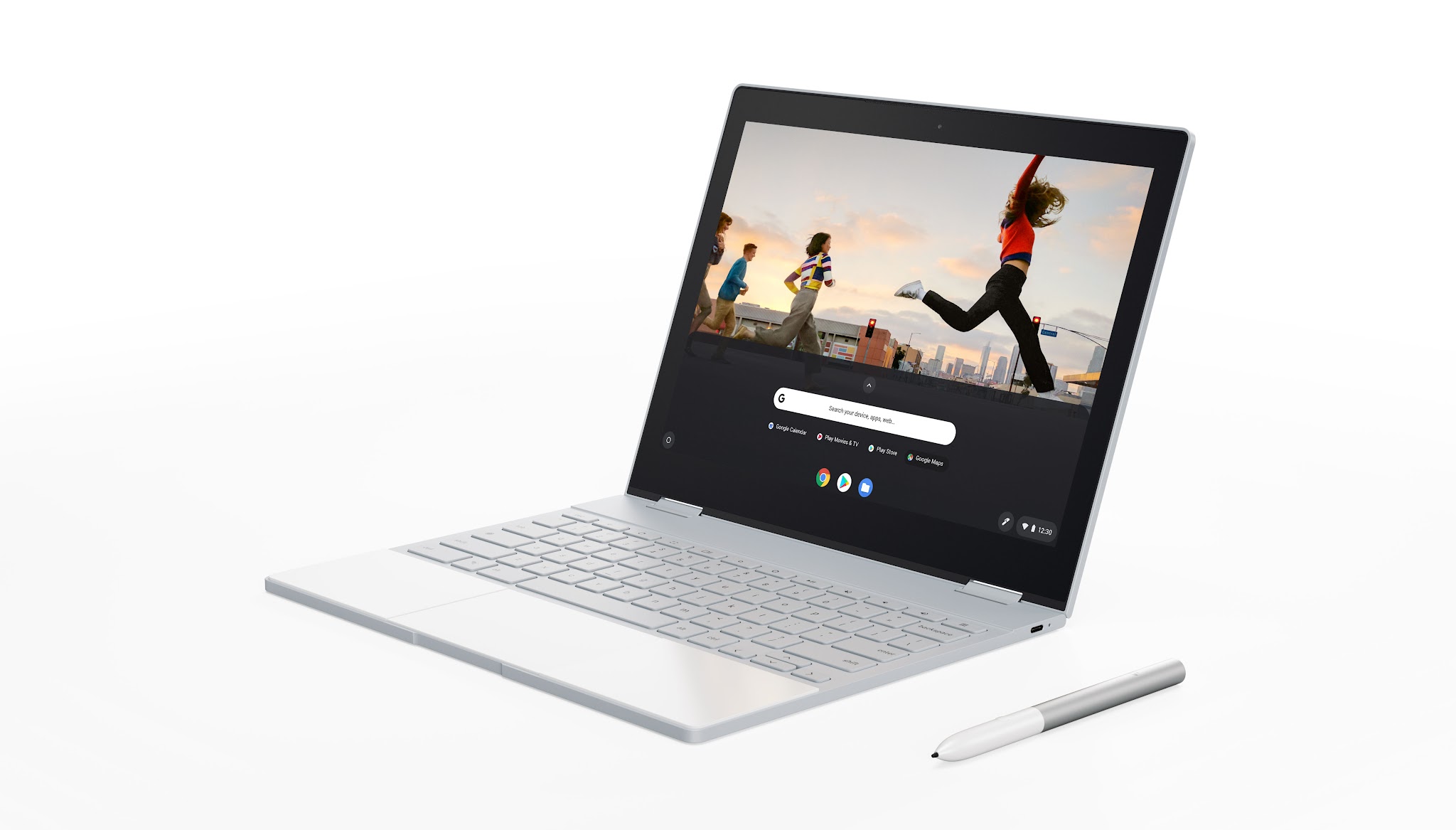
The setup process mimics the familiar efficiency of mobile device activation, allowing users to migrate apps and biometric credentials in minutes. Whether testing the Asus or HP variants, the transition from phone to laptop feels intuitive at first glance. However, the experience unravels once the OS is fully operational.
Connectivity features, including file-sharing and app casting, often fail to maintain stability, transforming basic tasks into cumbersome workarounds. Beyond these technical hurdles, running native mobile applications on a thousand-dollar device highlights a fundamental identity crisis. If Googlebooks gain traction, Android will be the catalyst; if the platform falters, the same software architecture will be the primary source of the failure. Currently, the balance between potential and broken execution leans heavily toward the latter.
Comments (0)
No comments yet. Be the first!