Decoding Home Restoration Costs: Expert Advice from Mark McManus
When disaster strikes a home, the path from initial damage to full recovery is rarely straightforward. Construction specialist Mark McManus, based in Morristown, New Jersey, highlights how the specific nature of fire, water, or storm damage dictates the complexity, sequencing, and ultimate price tag of restoration projects.
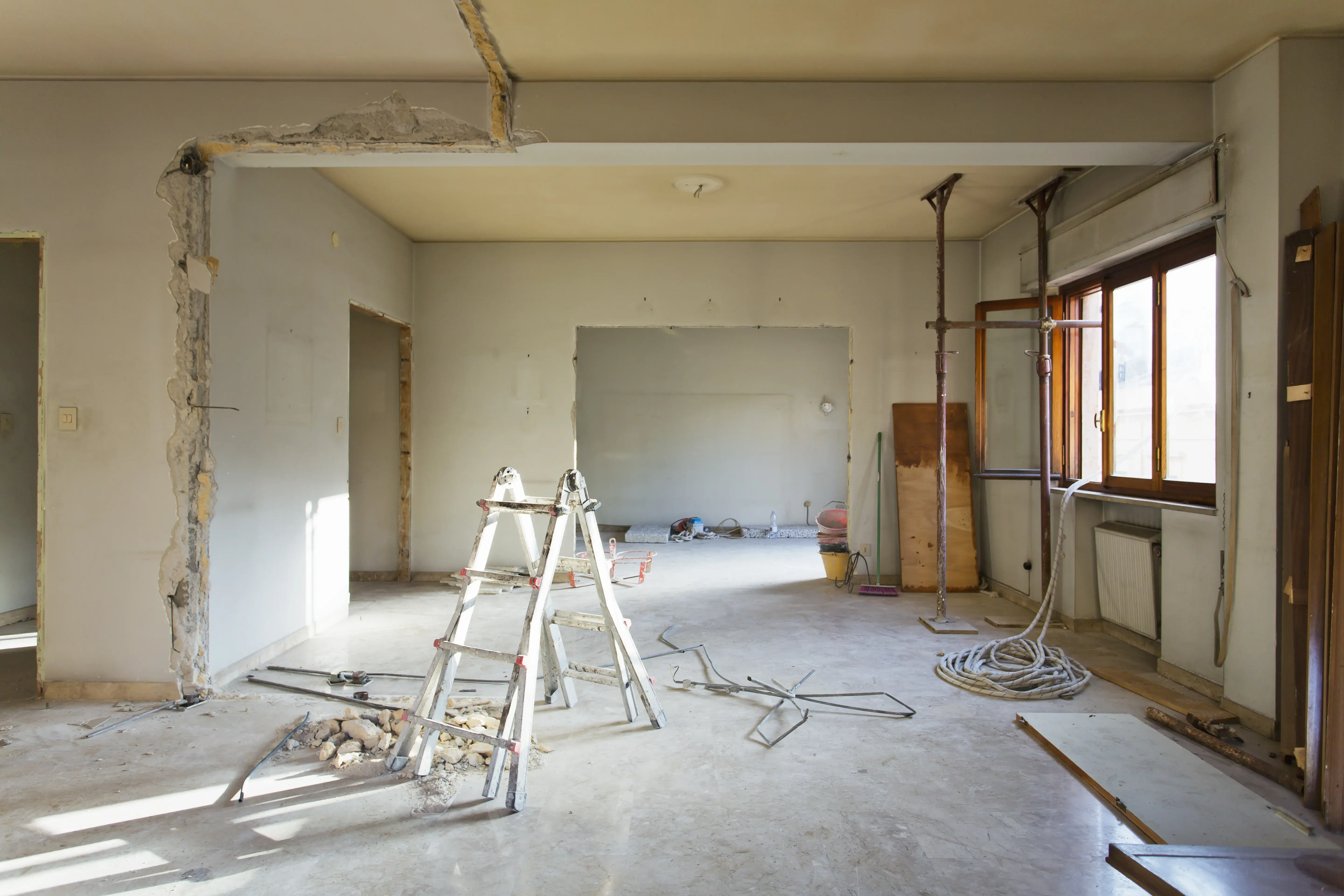
The most significant driver of restoration cost remains the extent of the impact. A minor kitchen fire requiring localized soot cleaning differs vastly from a structural overhaul involving framing and electrical systems. According to McManus, fire restoration demands a precise sequence: emergency stabilization and debris removal lead the way, followed by deep smoke remediation and odor neutralization, before structural tradespeople can begin replacing compromised materials.
Water damage introduces a different set of logistical pressures. Speed is essential here, as industrial-grade drying must commence immediately to mitigate the risk of mold growth in drywall, insulation, and flooring. Storm damage brings its own volatility, often requiring the coordination of roofing crews, siding specialists, and general contractors to address multiple points of failure simultaneously.
Navigating these projects requires more than just physical repairs. McManus emphasizes the importance of thorough documentation—photographs and detailed records—to streamline the insurance claims process. Because restoration often involves complex code compliance and permitting, a transparent estimate that clearly separates labor, materials, and municipal fees remains the best tool for homeowners to manage expectations and avoid unforeseen expenses.
Comments (0)
No comments yet. Be the first!