Economist Gabriel Zucman Challenges Elon Musk’s Philanthropy
When Elon Musk pledged to distribute a portion of SpaceX stock to every American child, he framed it as a grand gesture of generosity. Gabriel Zucman, a leading inequality expert at UC Berkeley, sees it differently: he argues that such charity serves as a poor substitute for systemic tax reform.
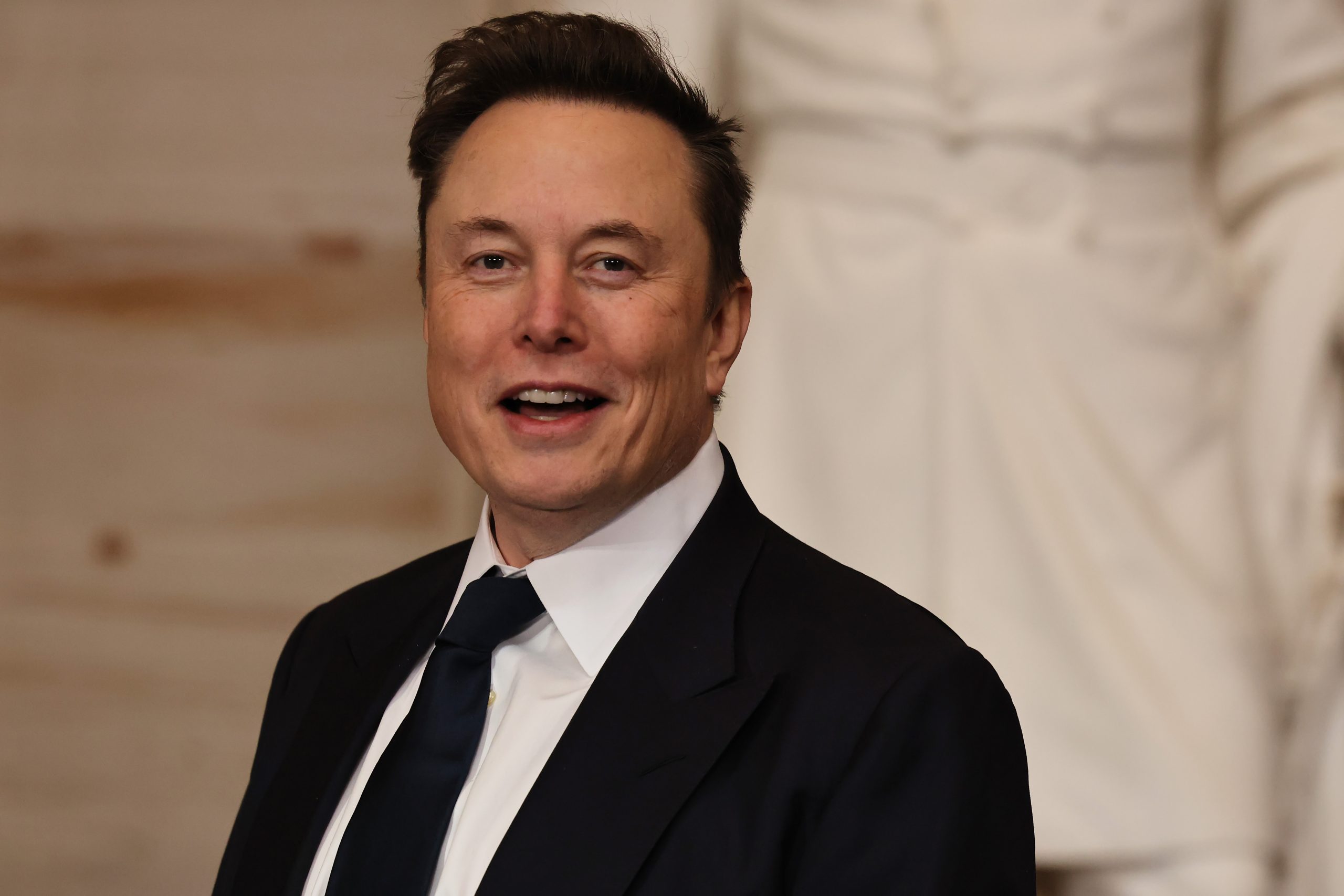
Zucman challenged the billionaire directly on social media, arguing that Musk and his peers consistently pay a lower effective tax rate than the average citizen. Citing research from a 2025 study, Zucman noted that the 400 wealthiest U.S. households faced an average effective tax rate of 24% between 2018 and 2020, significantly lower than the 45% paid by top labor income earners. Records previously obtained by ProPublica indicate that Musk’s own federal tax burden dropped to 3.27% during a five-year window ending in 2018.
To address this disparity, Zucman endorsed the Make Billionaires Pay Their Fair Share Act, introduced by Sen. Bernie Sanders and Rep. Ro Khanna. The proposal targets a 5% annual wealth tax on U.S. billionaires, a group whose combined net worth has climbed past $9 trillion. While Musk’s proposed donation is valued at roughly $11 billion, Zucman contends that a structured wealth tax would generate $4.4 trillion over the next decade. He maintains that such revenue would provide a more meaningful impact on public life than the distribution of individual company shares.
Comments (0)
No comments yet. Be the first!