Apple’s Touchscreen MacBook Pro Arrives With Little Fanfare
After over a decade of dismissing the concept as ergonomically flawed, Apple has finally integrated touchscreen functionality into the new MacBook Pro. Rather than reinventing the interface, the company has treated the feature as a mundane addition, leaving the core user experience largely tethered to the keyboard and trackpad.
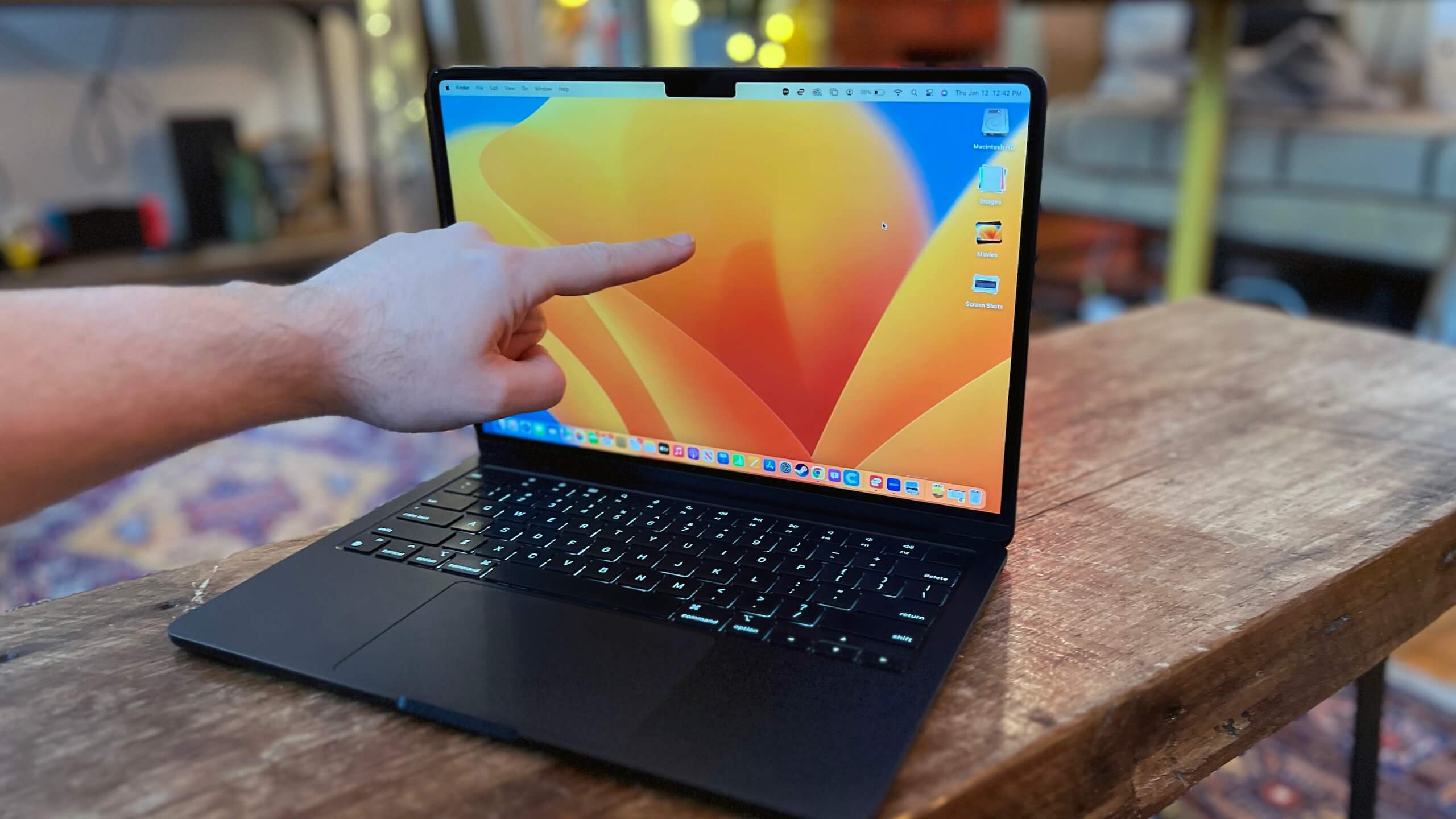
The new MacBook Pro with its PROLED XDR display marks a significant hardware shift, offering deep blacks and a reference-caliber color range that supports Apple CMF 2026 modes. Yet, the inclusion of a touchscreen feels remarkably conventional. While UI elements in macOS 27 Golden Gate expand slightly upon contact, the gestures primarily replicate inputs already handled by the trackpad. During demonstrations, even professional users found themselves defaulting to traditional controls, noting that the screen serves as a supplementary convenience rather than a transformative tool.
This deliberate lack of innovation mirrors the industry's broader history with touch-enabled laptops. Where Microsoft once pushed radical interface changes with Windows 8, Apple has chosen to wait, eventually settling for a quiet implementation that lacks features like 360-degree hinges or stylus support. The device's true appeal arguably lies in its aesthetic refinements—such as the return of the illuminated lid logo and the transition to a lighter chassis—rather than the touch interface itself. Apple has successfully normalized the touchscreen laptop, but in doing so, it has stripped away the expectation of a revolutionary new way to work.
Comments (0)
No comments yet. Be the first!