Smart TV Privacy: Why Your Opt-Out Settings Often Fail
Privacy settings on smart TVs frequently offer a false sense of security. New research from Northeastern University reveals that while some manufacturers respect user requests to disable Automatic Content Recognition tracking, others—including Samsung, Roku, and Vizio—continue transmitting data even after owners explicitly opt out of the system.
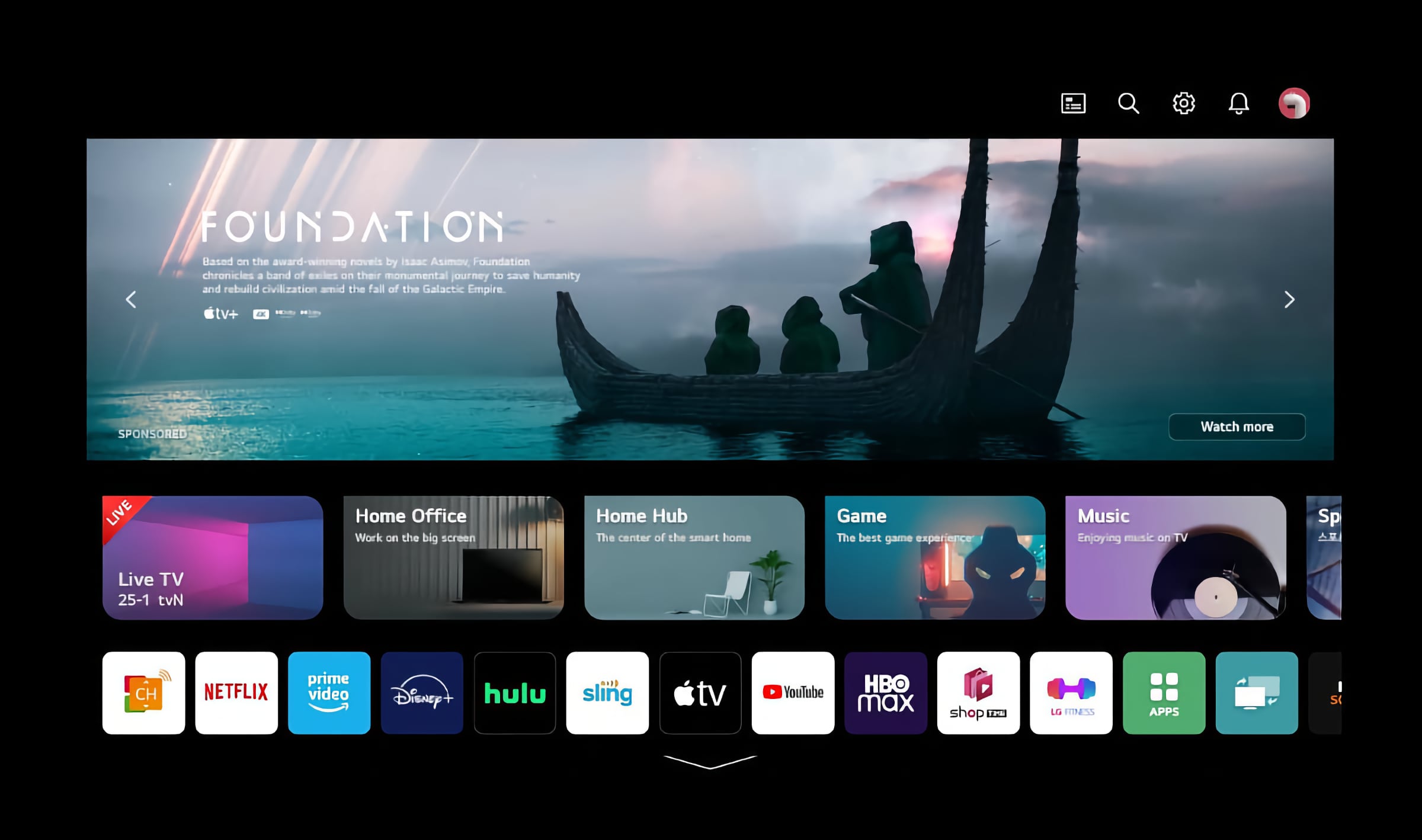
ACR technology functions by sampling audio and video to generate digital fingerprints, allowing manufacturers to serve targeted ads and track viewing habits. Researchers tested 12 television models across various operating systems to determine if these systems truly cease data collection when prompted. While devices running webOS, Fire OS, and specific Google TV configurations successfully halted traffic to ACR endpoints, the results for others were inconsistent. Samsung’s Tizen OS showed diminished but persistent activity, while Roku devices continued tracking within their proprietary channels. Vizio TVs, notably, ignored the opt-out request entirely, continuing to send data as if no changes had been made.
The investigation also uncovered a severe security vulnerability in Vidaa OS. Researchers accessed an unencrypted MQTT broker, exposing identifying information and viewing habits from over 1 million unique devices. Although Vidaa has since patched the server-side access, the incident highlights the risks inherent in how manufacturers handle telemetry data. Because most traffic to ACR servers is encrypted, experts remain limited in their ability to confirm exactly what data is retained, though the persistence of these connections remains suspicious. For consumers seeking total privacy, the study suggests a simple remedy: keep the television offline and rely on external streaming devices that do not employ ACR tracking.
Comments (0)
No comments yet. Be the first!