Republicans’ midterm losses exposed the limits of X
A Texas town hall offered a glimpse of the gap between conservative online culture and voters’ daily concerns. Asked how young people could afford to start families, Vice President JD Vance opened with a joke about Jon Husted before turning to housing costs and immigration—a response that captured a campaign focused on memes while voters worried about prices.
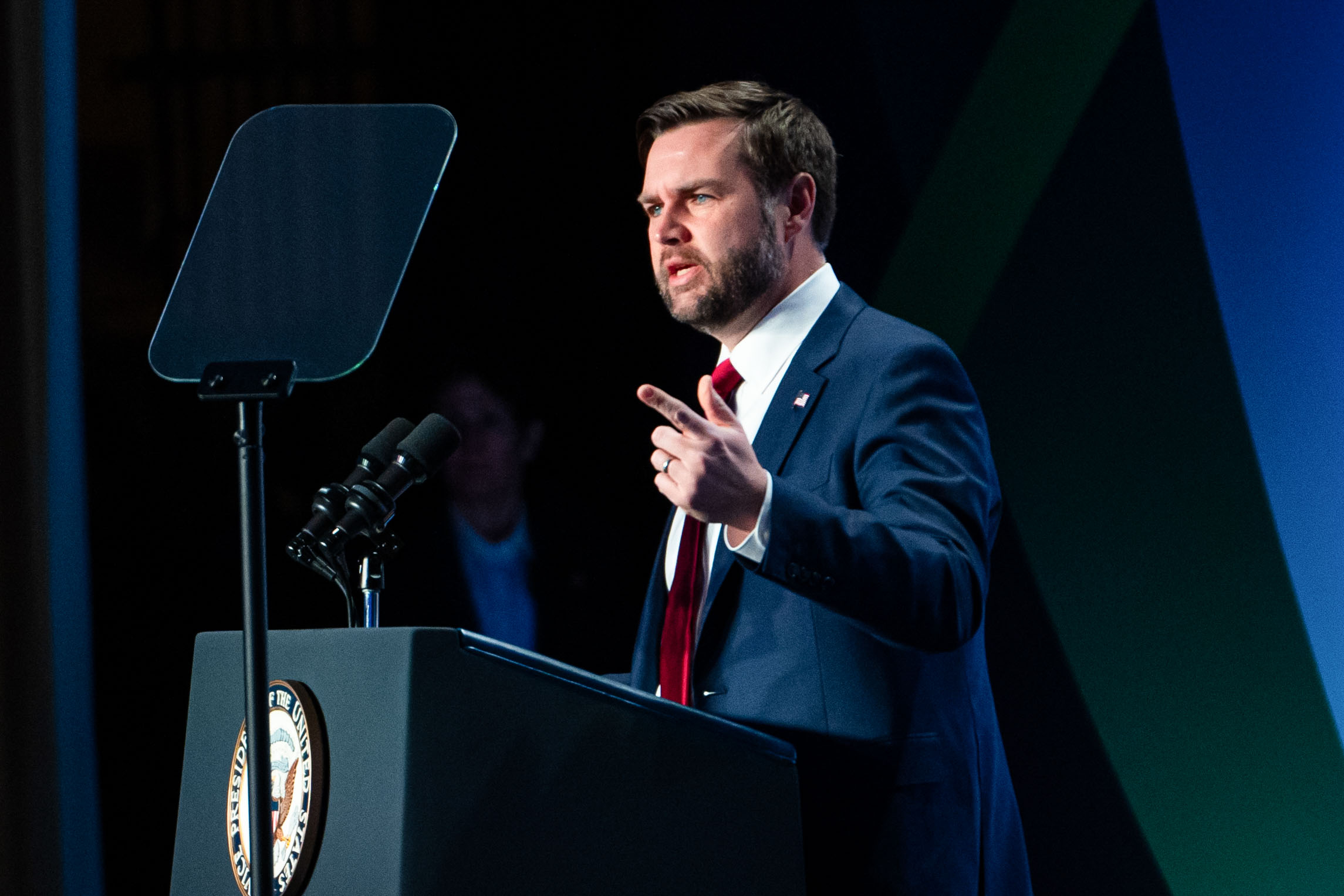
The question came from Kate White, who identified herself as president of the Texas Christian University chapter of Turning Point USA, the group founded by Charlie Kirk. Vance eventually said Republicans had not paid enough attention to affordability and blamed housing costs on institutional investors and what he called “20 million illegal aliens” in the United States. But the joke came first, reinforcing the impression that the party’s leaders were more attuned to online culture than to voters’ concerns.
The election results delivered a sharp rebuke. Republicans lost races in Texas, Kansas and South Carolina, states described in the source as historically red, and barely won Florida. Mississippi’s Senate race remained too close to call. The article argues that conservatives mistook the views amplified on X for public opinion, despite polling that pointed to affordability as a major concern.
That online culture reaches beyond politicians. The piece cites posts by federal departments, including the Department of Education’s promotion of “Malfoid,” a gender-swapped Draco Malfoy, and Homeland Security posts invoking white nationalist memes. It also points to hard-right officials and staffers, including Department of War press secretary Kingsley Wilson, whose posts about Leo Frank were described as antisemitic conspiracy theories. Historians largely believe Frank, who was lynched in Georgia in 1915, was innocent.
X’s influence did not translate into votes. Texas railroad commissioner candidate Bo French lost by a wide margin after posting anti-Indian memes, while Asian American voters, including Indian Americans, moved toward Democrats in down-ballot Texas races. Elon Musk spent nearly half a billion dollars on Republican candidates and PACs, but the article says his spending could not offset dissatisfaction with the party’s record; the ads focused largely on culture-war issues. A poll cited in the piece found that a majority of young men across racial groups, including young white men, voted Democratic.
After the losses, Vance wrote on X that he had consulted a data analyst and said pollsters had identified the Iran war, living costs and the US relationship with Israel as voters’ leading concerns. The article’s explanation for the disconnect is the platform’s recommendation system: engagement with one niche subject can bring a stream of similar posts, making it seem more broadly important than it is. In the author’s view, Republicans’ reliance on X helped turn that online impression into a political miscalculation.
Comments (0)
No comments yet. Be the first!