403 Data Centers Produced Denmark-Level Carbon Emissions
A Harvard study estimates that 403 hyperscale data centers emitted 28.3 million tons of carbon dioxide in the year ending April 2025—roughly as much as Denmark produces annually. The researchers say their figures are incomplete and may already understate the industry’s growing footprint.
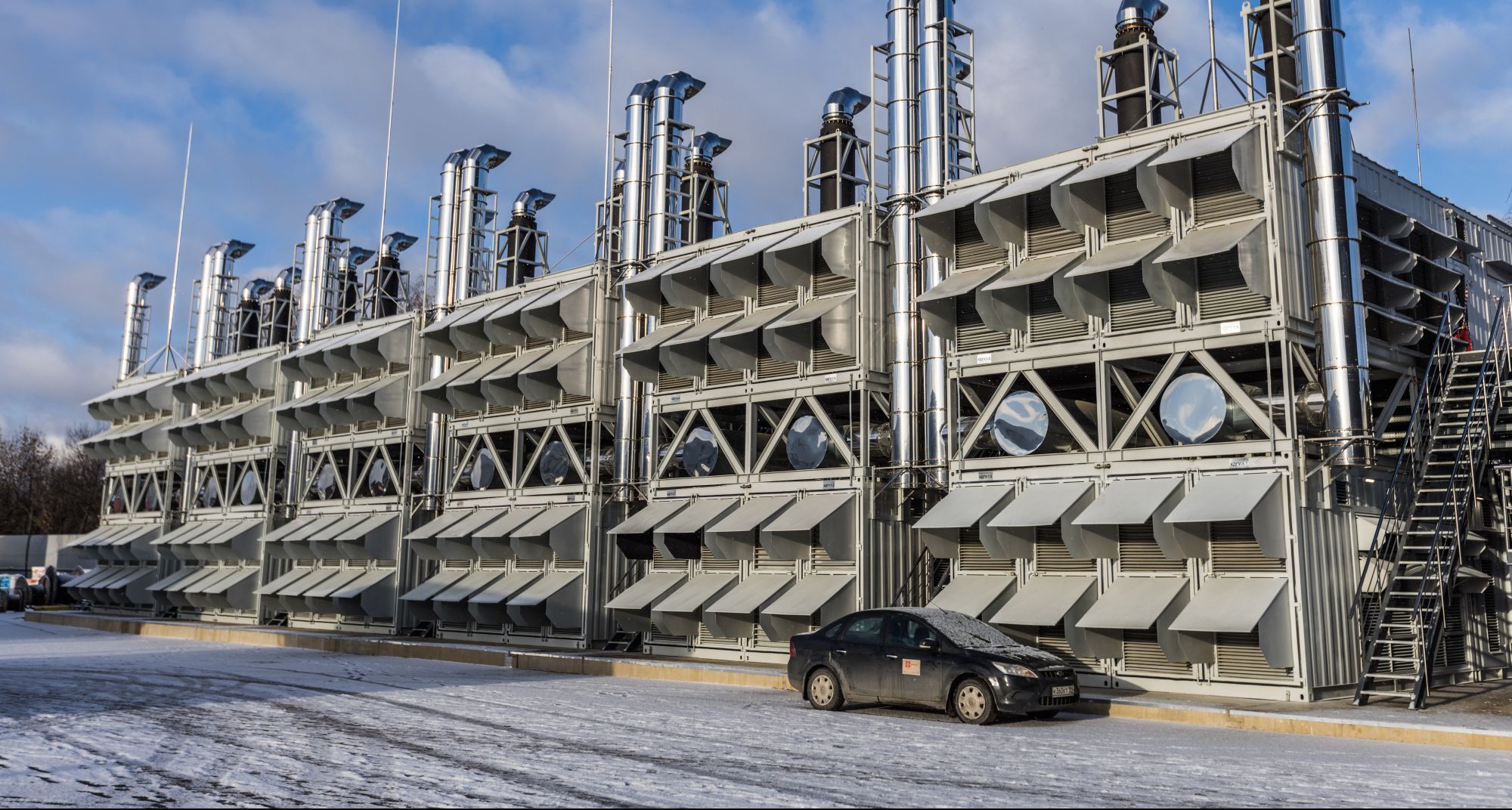
Published in Nature Sustainability, the study estimates the facilities used between 68 and 99 terawatt-hours of electricity over the period, equivalent to 1.8% of U.S. consumption. Lead author Gianluca Guidi told Gizmodo that their estimated use of about 82 terawatt-hours approaches the annual electricity consumption of a mid-sized U.S. state. The study’s higher estimates rival Michigan’s annual use.
The tally does not cover every data center operating during the study period, off-grid power plants such as those serving Elon Musk’s Colossus facility in Memphis, or emissions from refrigerants used for cooling. Francesca Dominici, the study’s senior author, told The Associated Press that the findings are “only a snapshot of a rapidly expanding industry.” Guidi said new facilities and expansions since April 2025 mean the footprint could be substantially larger in 2026.
Researchers found that 54% of the facilities studied were powered by fossil fuels: 38% by gas and 15% by coal. They did not quantify health effects, but Dominici said pollution from power plants can include fine particulate matter, nitrogen oxides and sulfur dioxide, linked to heart and lung disease and premature death. Nearby and downwind communities could face health costs, she said.
The study’s authors also pointed to limited independently verified public information about data centers. Guidi told Gizmodo that more than 1,000 hyperscale facilities are operating, with another 2,000 planned. The findings arrive amid opposition to data center development: voters approved 43 of 44 anti-data-center measures on midterm ballots. A Sierra Club analysis warned that fossil-fuel use by data centers could raise power-sector emissions 42% by 2030.
Comments (0)
No comments yet. Be the first!