Experts urge Congress to make minimum wage hike central to affordability plan
The federal minimum wage has remained at $7.25 an hour for nearly two decades, and 55 million U.S. workers live in states where that floor applies, according to the Economic Policy Institute experts urging the incoming Democratic Congress to put a wage increase at the heart of its affordability agenda.
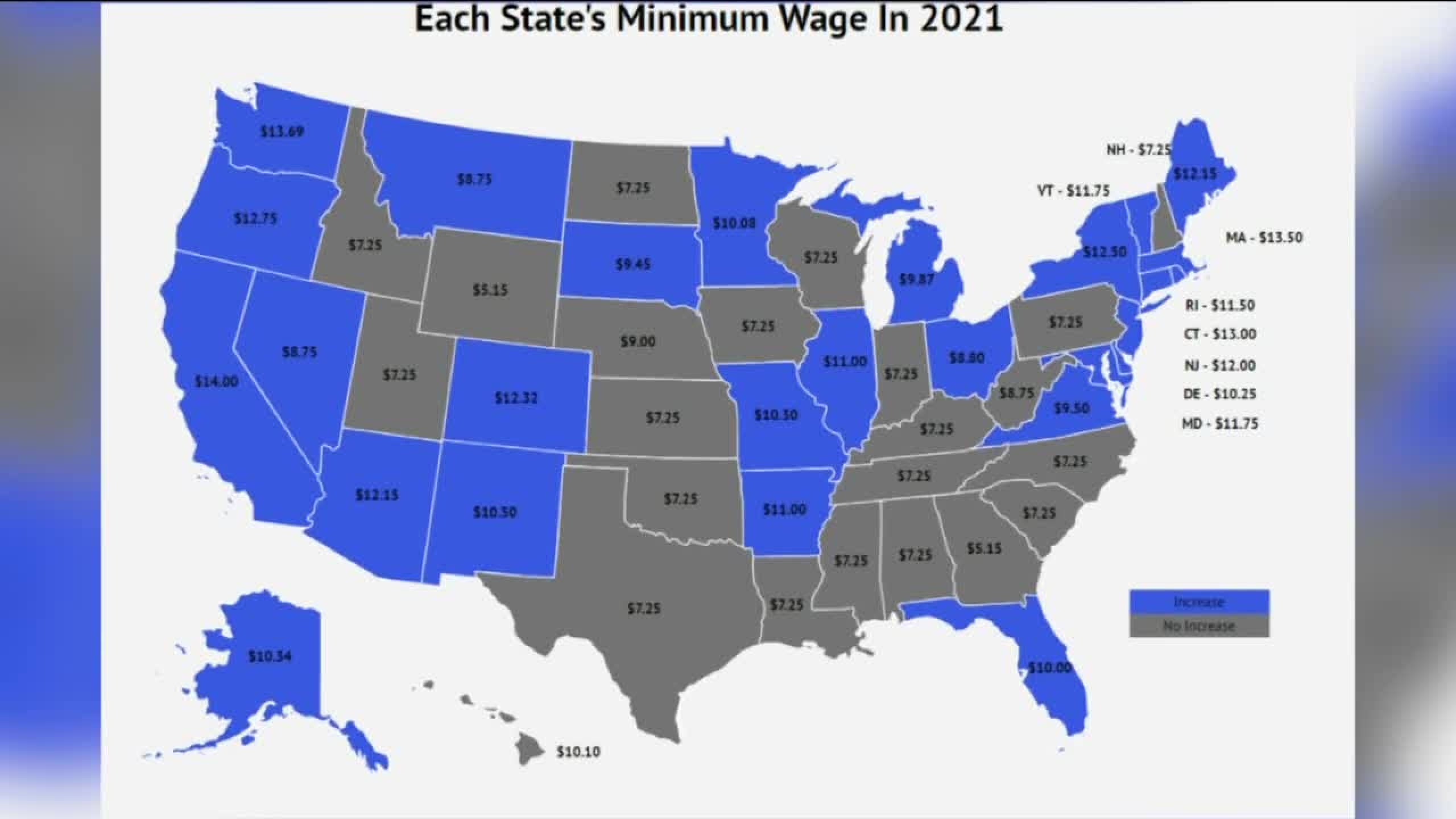
Celine McNicholas, Samantha Sanders and Ben Zipperer of EPI said the federal minimum wage has fallen to its “lowest real value in 77 years” and is a major contributor to affordability pressures on low-wage workers. Some states are raising their minimums to at least $15 in coming years, but the experts said the federal rate still governs in states where no higher floor applies.
EPI has proposed setting the federal minimum at two-thirds of the national median wage—about $17.50 an hour now and a projected $20 in 2030. The institute estimates that benchmark would raise pay for nearly 40 million people, about a quarter of the workforce. It would also eliminate poverty wages and bring the federal minimum closer to a living wage in much of the country, allowing a full-time single adult to cover modest expenses in half of U.S. counties, the experts said.
McNicholas, Sanders and Zipperer called a minimum-wage increase the quickest way to improve affordability for the largest number of workers. They argued past increases have lifted wages with little or no effect on employment, while the gains for low-income families outweigh small price effects. More than a third of newly elected members of Congress called for a minimum-wage increase in their campaign platforms, they added.
Their comments came a day after Sen. Bernie Sanders (I-Vt.) named a federal increase among his top priorities for the new Congress. Sanders, who is set to lead the Senate Health, Education, Labor, and Pensions Committee, called the $7.25 rate “totally absurd” on Wednesday and said he would propose raising it incrementally to $20 an hour “over a period of years.”
Comments (0)
No comments yet. Be the first!