COP31 Draft Drops Fossil Fuel Phaseout Language as Talks Run Late
A revised COP31 draft has removed explicit language on transitioning away from fossil fuels and dropped a reference to $120 billion in climate finance for the Global South by 2035, sharpening criticism as the UN climate conference in Antalya, Türkiye, continued beyond its scheduled Friday close.
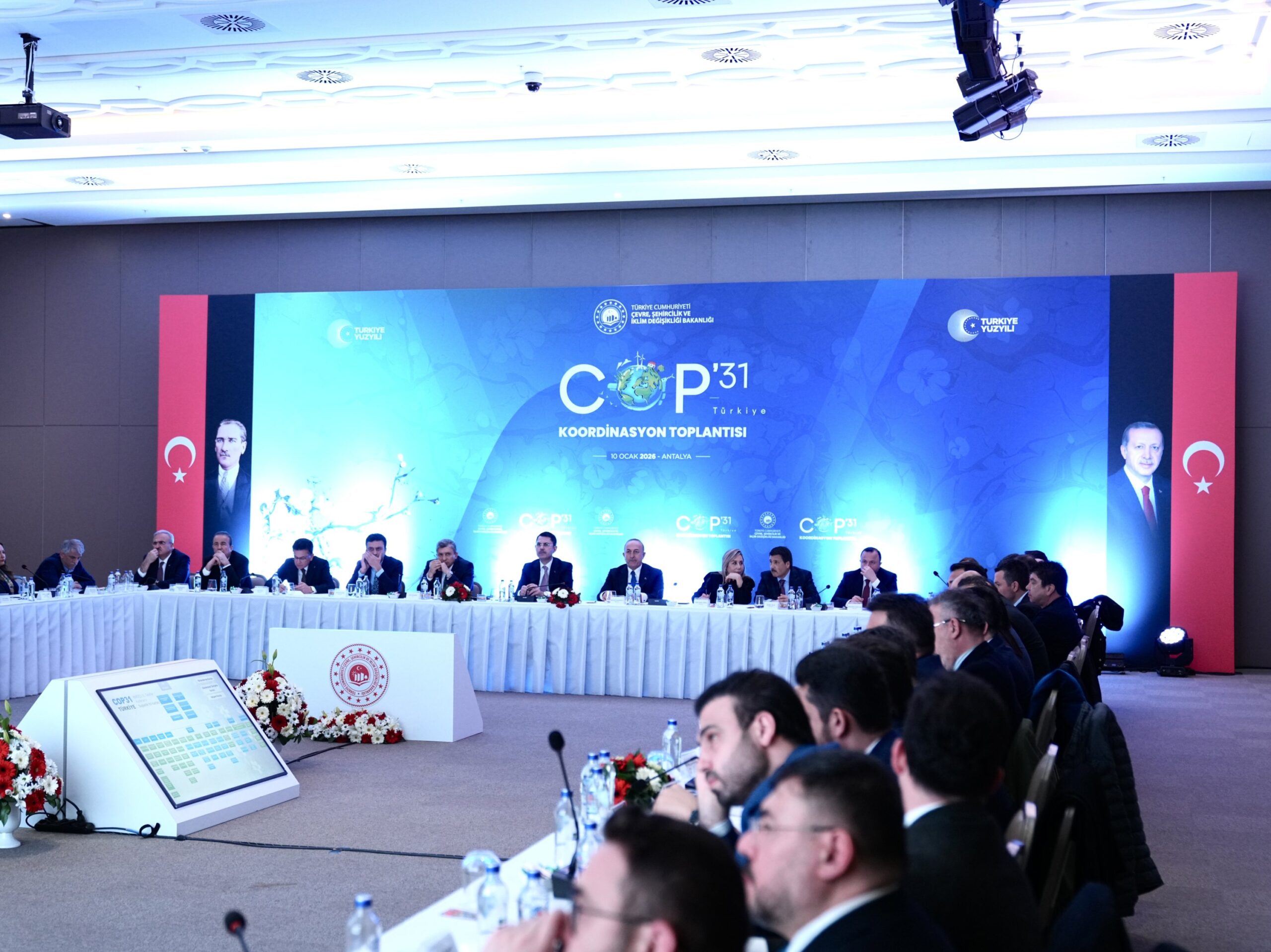
The text, released Thursday, instead calls for a “transition towards low greenhouse gas emissions and climate-resilient development.” Vanuatu climate minister Ralph Regenvanu warned Reuters that the negotiations were not heading toward “a high-ambition text.”
Activists and scientists condemned the omission. Kumi Naidoo, president of the Fossil Fuel Non-Proliferation Treaty Initiative, said he felt “sadness, heartbreak, and disbelief,” adding that communities and countries were struggling for survival. Texas Tech University professor Katharine Hayhoe compared a deal without fossil fuels to “a plan to quit smoking that never mentions cigarettes.”
A group of ministers and representatives led by France and Panama, and including Belgium, Côte d’Ivoire, Finland, Greece, Guatemala, Spain, Sweden and Vanuatu, called for stronger action. Their six priorities include grounding decisions in science, recognizing the need for an orderly fossil fuel transition, fair climate finance, clean electrification, faster methane cuts and stronger coordination among the Rio Conventions on climate change, biodiversity and desertification.
The European Union also warned in a letter obtained by Politico that the draft risked turning COP31 into a “fossil fuel summit” and could be seen as a retreat from earlier commitments. Climate commissioner Wopke Hoekstra and Ireland’s climate minister, Darragh O’Brien, said the bloc could not support a package that marked a substantive setback. Oil Change International’s Laurie van der Burg accused the EU of hypocrisy, saying it had failed to advance a fossil fuel transition roadmap and had blocked progress on public finance, adaptation and a just transition.
Advocates also objected to draft language on carbon capture and storage (CCS) and carbon removal. Oil Change International’s Romain Ioualalen said the text resembled a “fossil fuel executive’s wish list,” while 350.org policy analyst Fanny Petitbon warned that the proposals could prolong fossil fuel use and divert resources from renewables and efficiency.
Studies cited in the debate say a temporary breach of the Paris Agreement’s 1.5°C threshold this century is now inevitable, and warn of an “irrecoverable overshoot” unless emissions fall rapidly. COP31 has also seen initiatives including a declaration on super-pollutants, the Global SF6 Pledge and $30 million in new investment for the Global Fund for Coral Reefs. But 350.org’s Fenton Lutunatabua said 1.5°C remained “the last line of defense” for the Pacific and urged leaders to secure a fossil fuel phaseout roadmap and funding.
Comments (0)
No comments yet. Be the first!