Supreme Court Limits Nationwide Injunctions in Birthright Citizenship Case
The Supreme Court ruled 6-3 Friday that lower courts likely lack authority to issue universal injunctions, without deciding whether President Donald Trump can end birthright citizenship by executive order. The decision drew warnings from Democratic officials and rights groups that it could weaken protections against federal actions and allow the order to take effect in some states.
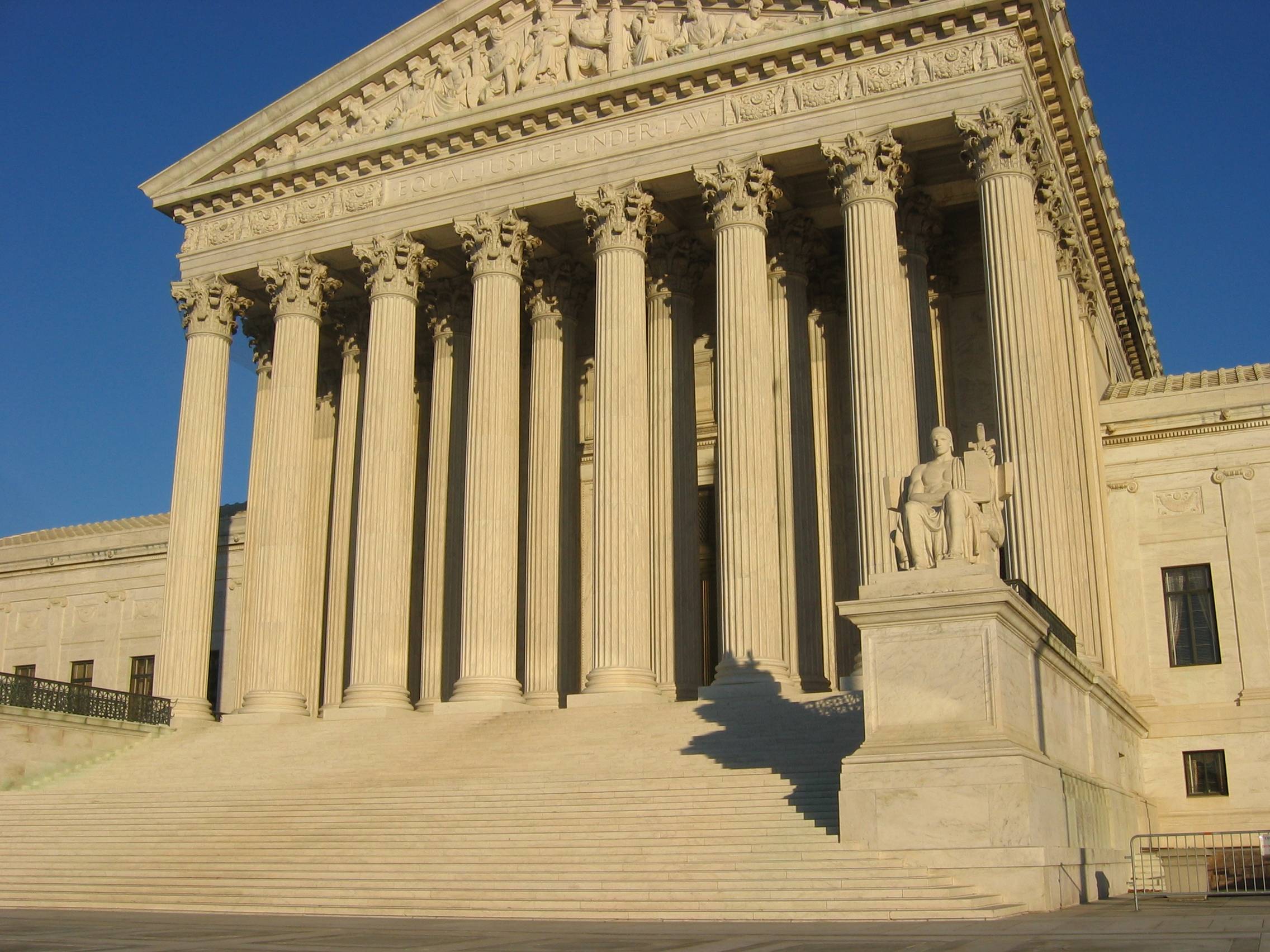
Three federal judges had issued nationwide injunctions blocking Trump’s effort to end birthright citizenship. In Trump v. CASA, the court instead considered the scope of those orders. Justice Amy Coney Barrett, a Trump appointee, wrote for the majority, which said universal injunctions “likely exceed the equitable authority that Congress has given to federal courts.” Justice Sonia Sotomayor dissented, joined by the other two liberal justices; Justice Ketanji Brown Jackson wrote a separate dissent.
The ruling prompted concern about its broader effect on challenges to the administration. Slate journalist Mark Joseph Stern said it could effectively abolish universal injunctions as they are currently understood, though he noted debate over the decision’s scope. He predicted the Justice Department would seek to narrow existing injunctions, with consequences for other major cases. Justice Jackson warned that allowing the executive to violate the Constitution toward people who have not sued poses “an existential threat to the rule of law.”
Democratic lawmakers and advocacy groups echoed those concerns. Congressional Progressive Caucus Chair Greg Casar said the court was “declaring open season on all our rights,” while Senate Minority Leader Chuck Schumer called the decision a dangerous step toward authoritarianism. Delia Ramirez, a Democratic representative from Illinois, said the 14th Amendment has affirmed birthright citizenship for more than 100 years. Advocates also warned that access to legal protection could depend on where people live and whether they can afford to sue.
The justices did not rule on the constitutionality of Trump’s order, but critics said Friday’s decision creates a risk it could take effect in parts of the country in 30 days. FWD.us President Todd Schulte warned of a fractured system in which children born in different states could receive different treatment. Shortly after the ruling, the ACLU, Democracy Defenders Fund and Legal Defense Fund filed a class action on behalf of a proposed class of affected babies and their parents. Democracy Defenders Fund legal director Tianna Mays said the groups would continue to challenge the order.
Comments (0)
No comments yet. Be the first!