Why GTA VI’s Florida feels like a place players know
Vice City feels convincing not because it reproduces Florida street by street, but because it offers familiar cues: buses and trains, recognizable roads, a coastline and residents who make the setting feel inhabited. UC Berkeley geographer Emma Fraser says those details can make players feel they are experiencing a location, even as they know it is fictional.
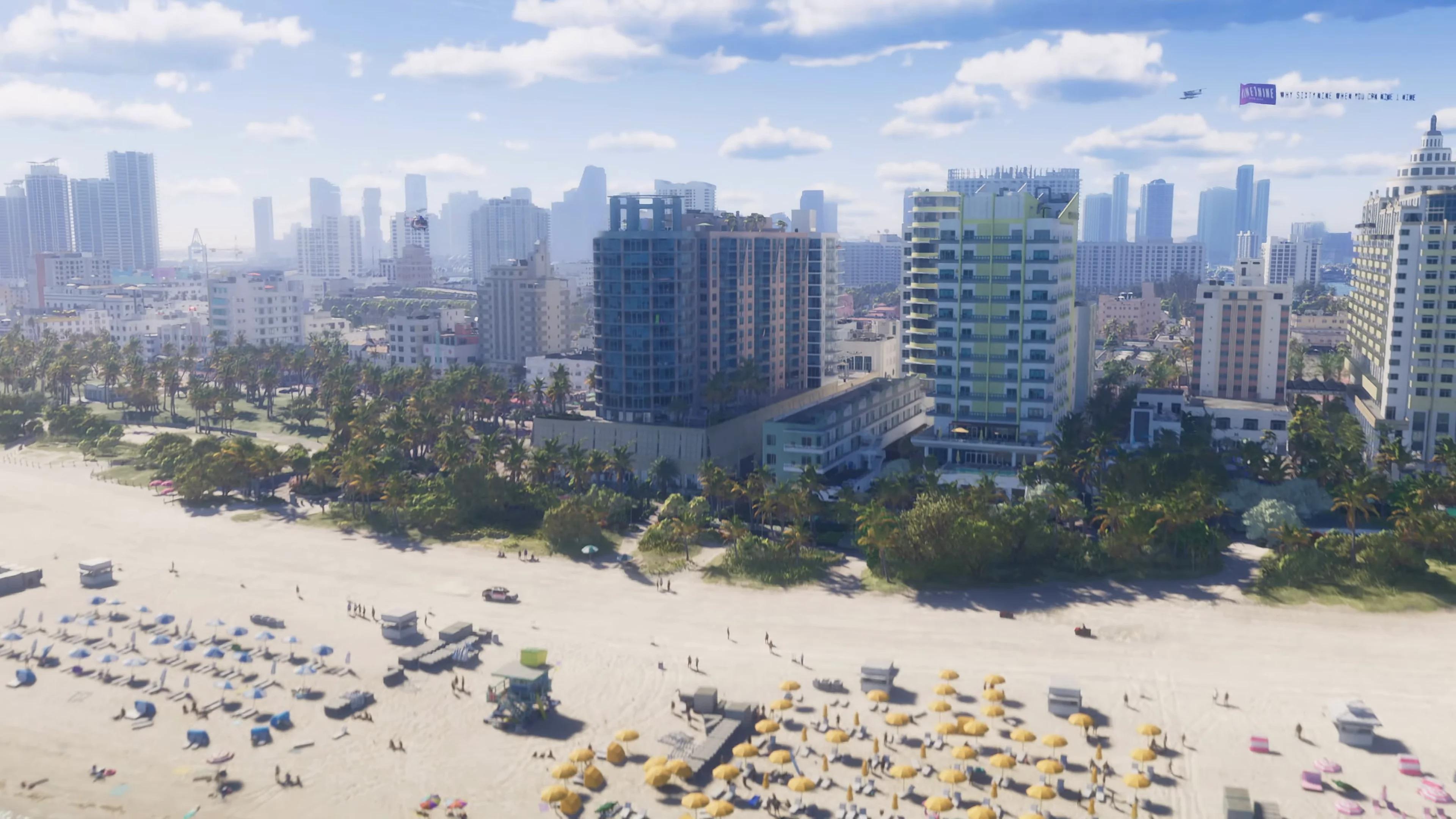
Fraser, an assistant professor who studies urban ruins and virtual cities, says GTA VI can be disorienting: players understand the world is a representation, yet may still feel present in it and even dream about being there. She began researching video game cities because, despite their reach, they remain underexplored in academia. Games, she says, bring together questions geographers ask about how people imagine, navigate, build and map cities.
Rockstar’s research began with the setting, producer Rob Nelson said. Developers traveled around Florida, visiting the Everglades, the Keys and the city to decide which aspects to bring into the game. Fraser says GTA’s appeal partly comes from the familiarity of urban life: players already understand the basic presence of blocks, pedestrians, cars, buses and law enforcement.
The game is not a one-to-one copy of Miami. Fraser points out that it leaves out places such as schools and daycares, and has relatively few parking spaces. Instead, it uses recognizable details—including lighting, coastline, street-corner decoration and major roads—to suggest a much larger place. Dialogue, radio and TV programs also refer to locations and events beyond the areas players can explore. Fraser calls this “implied expansiveness”: a city is too large to hold in mind all at once, so a convincing impression comes from selected snapshots.
That sense of place supports different ways to play, from racing through missions to taking public transport or bird-watching. Fraser compares the experience to virtual tourism: some players want to reach a destination quickly, while others prefer to sit on a bus or train and absorb the surroundings. The relationship-focused premise also appears to be changing how some players move through the world. Fraser says some drive more carefully to avoid hitting civilians or explore while the two characters spend time together.
She hopes to use the game to study how people carry real-world habits into virtual cities. Its detailed setting, she says, offers players many choices—including stealing a car and speeding, or taking a train and listening to a podcast. For Fraser, that specificity is what separates a convincing place from a generic city decorated with icons.
Comments (0)
No comments yet. Be the first!