Nvidia maps out Blackwell Ultra, Vera Rubin and Rubin Ultra
Nvidia says its next AI chips will arrive in stages: Blackwell Ultra in the second half of 2025, Vera Rubin in the second half of 2026 and Rubin Ultra in the second half of 2027. The roadmap, unveiled at the company’s GTC keynote, promises major performance gains in later generations.
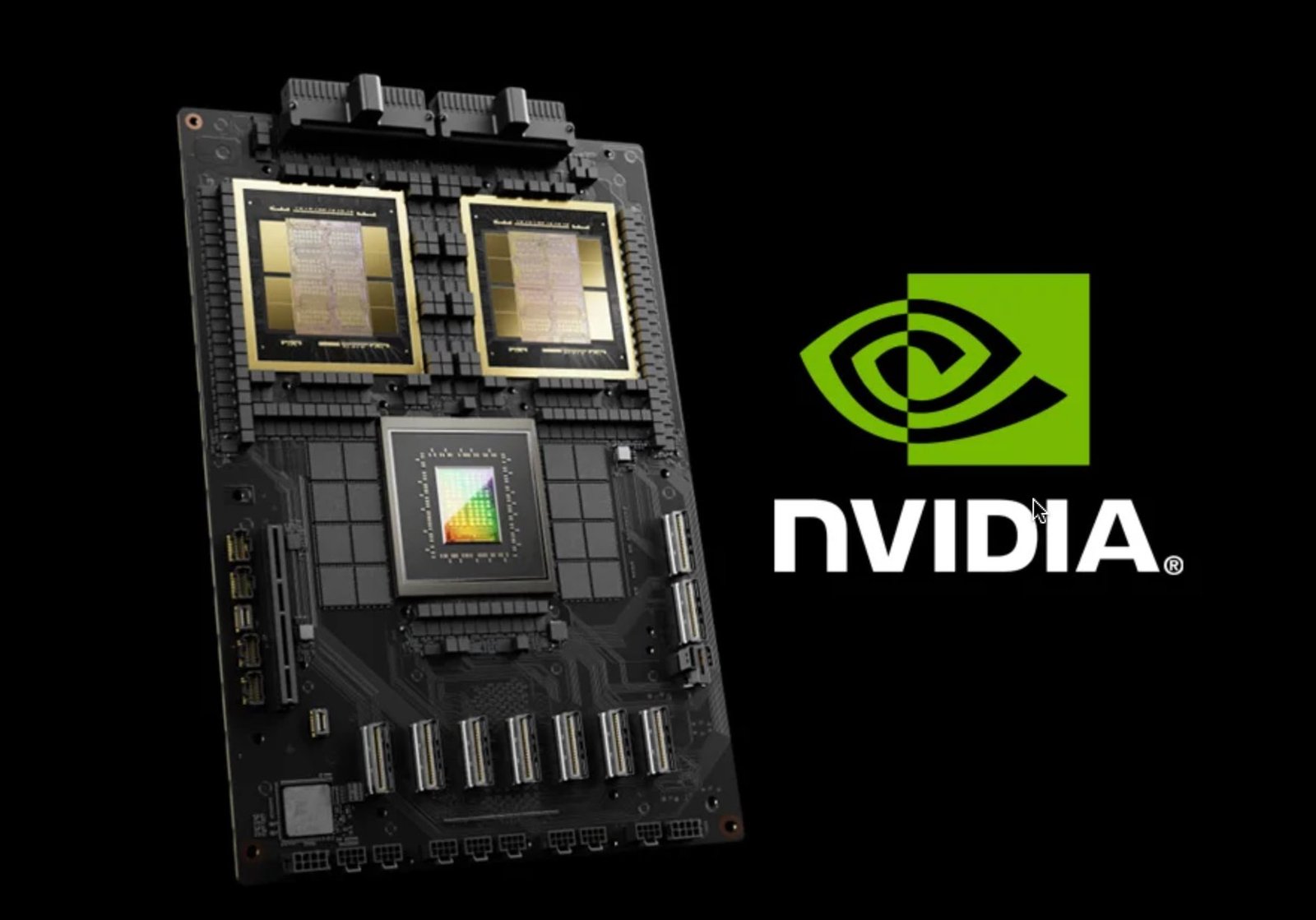
Blackwell Ultra is an upgrade to the existing Blackwell architecture, rather than a new design. Nvidia said a single chip will deliver 20 petaflops of AI performance, matching Blackwell, but with 288GB of HBM3e memory instead of 192GB. A GB300 Superpod cluster will have 300TB of memory, compared with 240TB in the Blackwell version; both systems have 288 CPUs, 576 GPUs and 11.5 exaflops of FP4 computing.
Nvidia focused many of its comparisons on the H100, its 2022 chip. The company says Blackwell Ultra provides 1.5 times the FP4 inference performance. It also says an NVL72 cluster can run an interactive version of DeepSeek-R1 671B and return answers in 10 seconds, compared with 1.5 minutes on H100. Nvidia attributes the speed to processing 1,000 tokens per second—10 times the rate of its 2022 chips.
Some customers will be able to buy a single GB300 chip in the DGX Station desktop. It includes 784GB of unified system memory, Nvidia networking rated at 800Gbps and 20 petaflops of AI performance. Asus, Dell and HP will sell versions, alongside Boxx, Lambda and Supermicro. Nvidia also announced a GB300 NVL72 rack with 1.1 exaflops of FP4 performance, 20TB of HBM memory and 130TB/sec of NVLink bandwidth.
The larger gains are slated for the next architectures. Nvidia says Vera Rubin will reach 50 petaflops of FP4, up from Blackwell Ultra’s 20. Rubin Ultra, planned for 2027, will combine two Rubin GPUs, delivering 100 petaflops and 1TB of memory. A full NVL576 Rubin Ultra rack is rated at 15 exaflops of FP4 inference and 5 exaflops of FP8 training—14 times the performance of this year’s Blackwell Ultra rack, according to Nvidia.
Nvidia said it has already shipped $11 billion worth of Blackwell revenue, with its four largest buyers purchasing 1.8 million Blackwell chips so far in 2025. CEO Jensen Huang argued at the keynote that demand will keep rising, saying the industry needs “100 times more than then we thought we needed this time last year.” He also named Feynman, expected in 2028, as the architecture after Vera Rubin.
Comments (0)
No comments yet. Be the first!