Climate Volatility Puts Northeast Family Farms at a Breaking Point
The U.S. now averages 19 billion-dollar disasters annually, a staggering increase from just three per year in the 1980s. A new report from Farm Aid and the Northeast Climate Disaster Relief Network warns that this shift is gutting the region's agricultural economy while leaving farmers without a functional safety net.
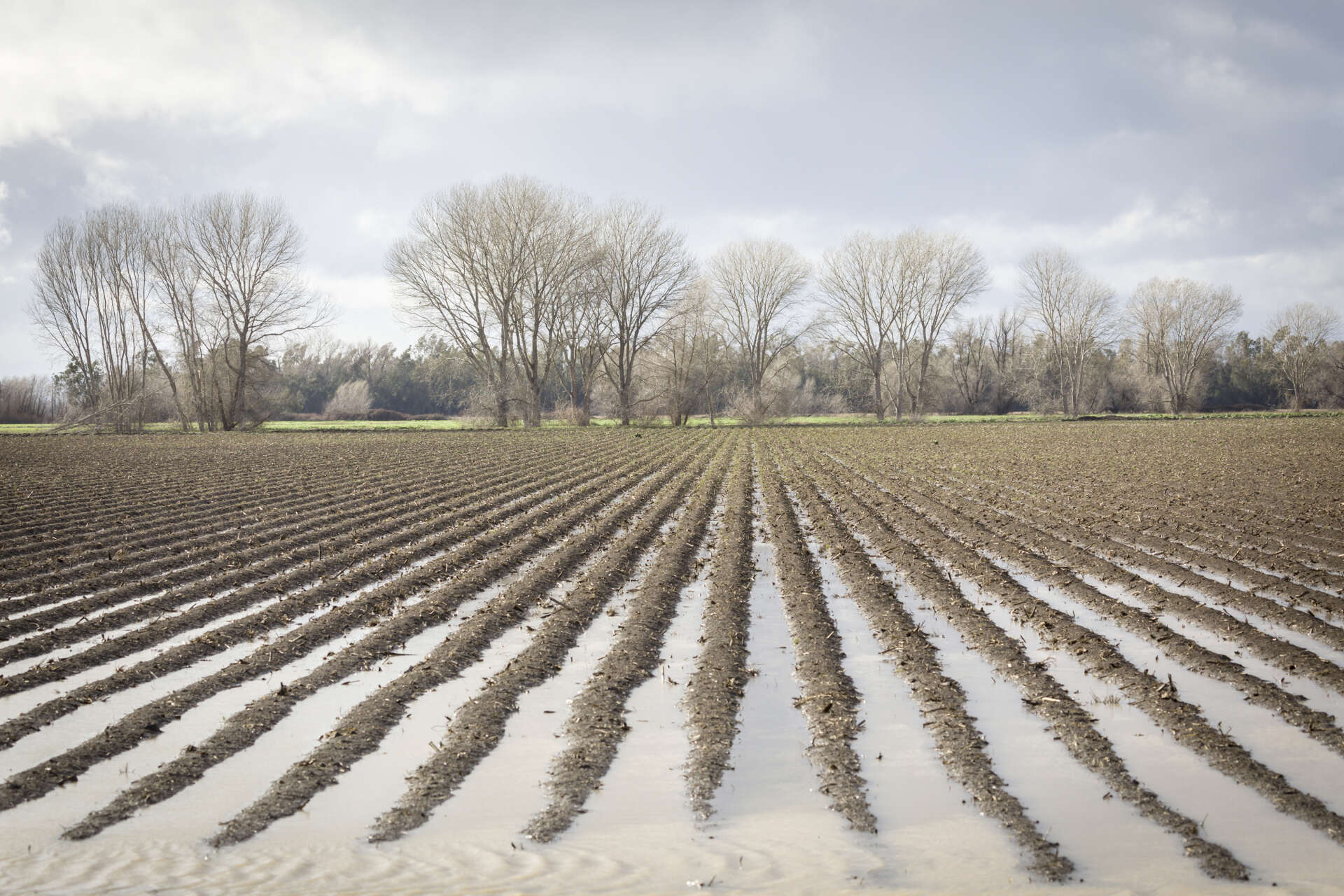
Record floods, heatwaves, and extreme precipitation are rewriting the risks for Northeastern agriculture. According to the National Climate Assessment, the region is now over 2°F warmer than it was a century ago. These environmental shifts produce more than just crop losses; they fracture supply chains, displace labor, and exacerbate a growing mental health crisis among producers. Current federal support systems remain largely inadequate, often failing to account for localized damage from hailstorms or frosts that do not reach the threshold of national disaster declarations.
Between 2001 and 2022, weather-related indemnity payments reached $118.7 billion nationwide. Despite these massive figures, historical barriers to insurance and inaccessible state aid leave BIPOC farmers and underserved communities disproportionately vulnerable. Hank Tremblay, policy manager at Farm Aid, argues that the current system is failing to keep pace with the weather. The coalition’s proposed roadmap calls for permanent state-level relief funds and a decentralized approach that puts farmers directly in the driver’s seat of program design. Without a structural overhaul, the report suggests that the region’s agricultural identity will continue to erode under the pressure of increasingly unpredictable climate cycles.
Comments (0)
No comments yet. Be the first!