Mastering the Bench: Carl Ciesla on Building a Machining Career
Before a machinist ever touches a CNC controller, they must master the language of the shop floor. Carl Ciesla of Lakeshore Carbide argues that long-term success in the trade relies not on high-speed automation, but on a rigorous foundation of manual precision, blueprint literacy, and tool geometry.
For novices, the transition into machining starts with the ability to interpret complex blueprints and define tolerances. Ciesla emphasizes that accuracy begins at the bench, where the mastery of micrometers, calipers, and indicators allows a technician to measure down to the thousandth of an inch. These instruments serve as the primary bridge between theoretical design and physical production.
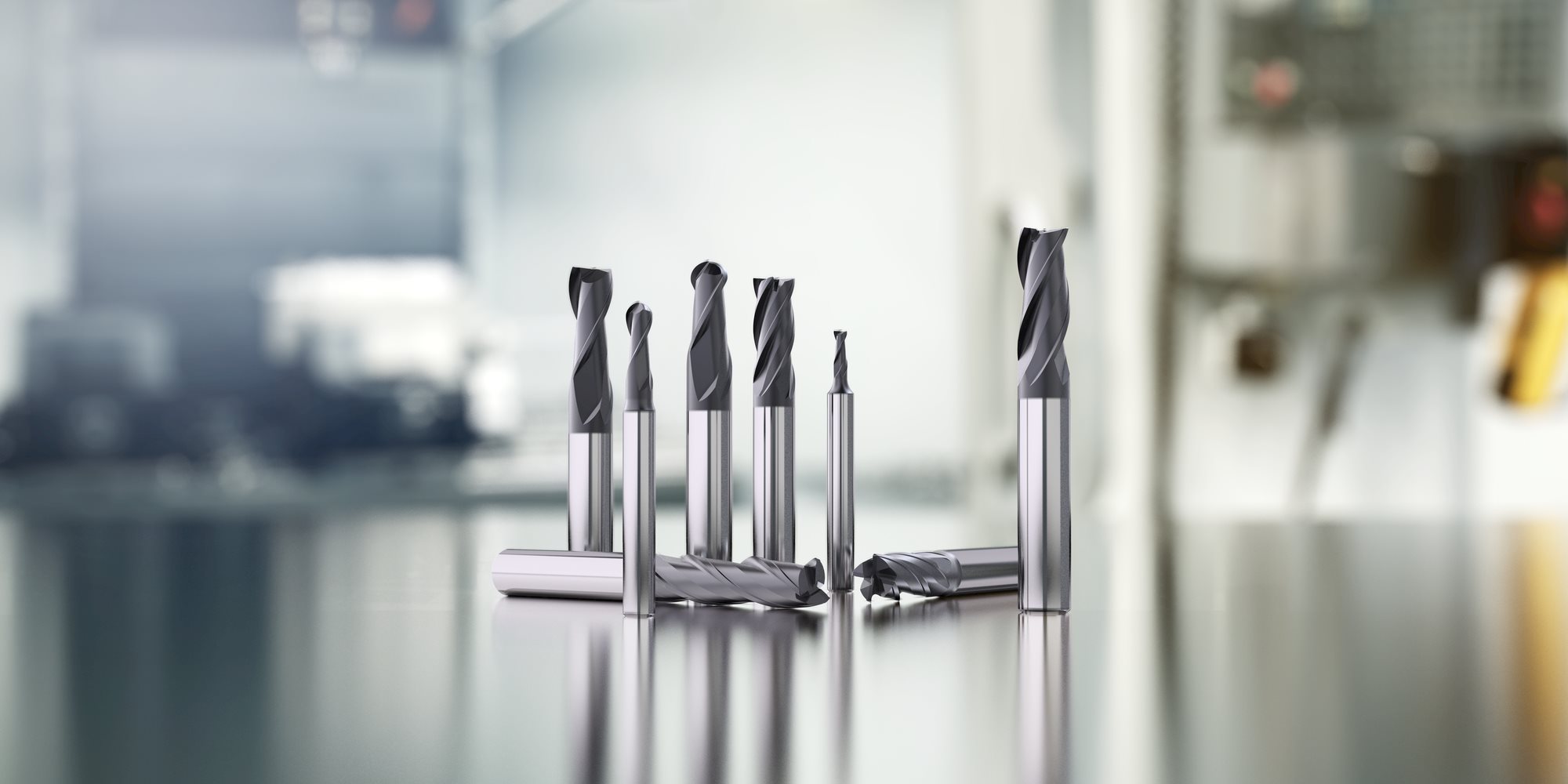
Technical expertise extends to understanding tool geometry. The specific angles of cutting flutes dictate how a tool engages with material and manages chip evacuation. According to Ciesla, beginners who grasp these mechanics gain a distinct advantage when selecting carbide end mills and inserts. He advocates for manual machining experience as the ultimate training ground; by working directly with traditional lathes and mills, apprentices develop an intuitive feel for speeds, feeds, and the troubleshooting skills that remain essential even in highly automated environments. Ultimately, the craft demands a blend of patience and technical curiosity, transforming a standard machine operator into a problem-solving professional.
Comments (0)
No comments yet. Be the first!