Astronaut perspective: Can the 'overview effect' teach geography?
A cognitive shift typically reserved for astronauts looking down at Earth from orbit is now being eyed as a pedagogical tool. A new study in The Geography Teacher explores how the 'overview effect'—a profound sense of interconnectedness—can be harnessed to deepen student engagement with complex environmental concepts.
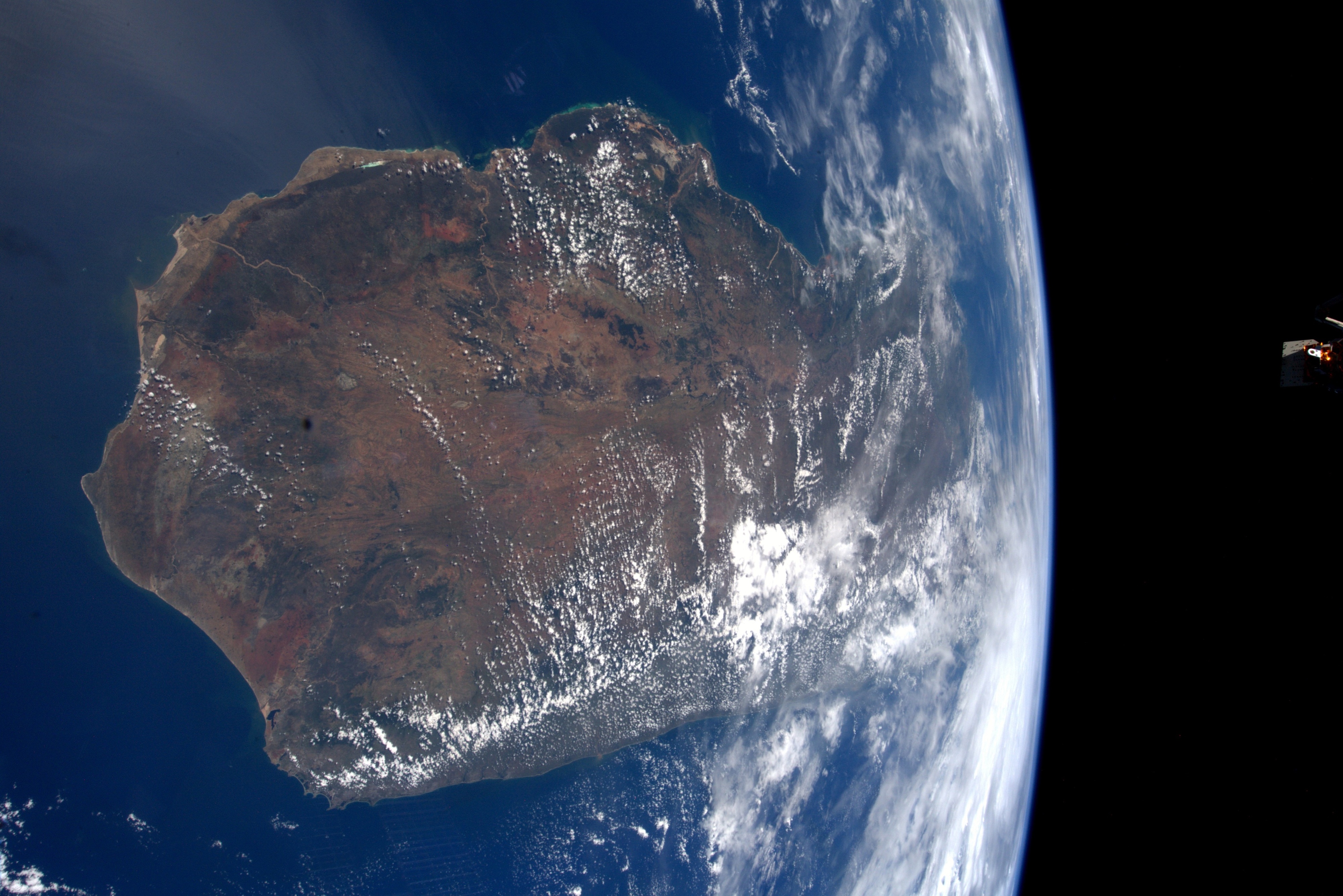
Researchers from the University of Phoenix College of General Studies, led by Jacquelyn Kelly, argue that awe-inspired learning can bridge the gap between abstract geographic theory and personal connection. By utilizing landscapes and environmental scale, educators may prompt the same cognitive expansion that space travelers report, helping students process information more effectively in both physical and online classrooms.
"Our research highlights the power of a simple show-and-share discussion activity," said Kelly. In their study, students examined images of awe-inspiring landscapes before sharing locations personally meaningful to them. This practice fostered reflection, allowing learners to anchor environmental topics in their own sense of place. The authors suggest this model offers a clear roadmap for educators looking to increase curiosity and student participation. By intentionally designing curricula that trigger awe, instructors can encourage students to identify gaps in their understanding and integrate new knowledge into their existing worldview, turning sterile geography lessons into deeply resonant experiences.
Comments (0)
No comments yet. Be the first!