Nvidia pivots to liquid cooling to curb data center water consumption
As public scrutiny over the environmental footprint of artificial intelligence intensifies, Nvidia is positioning its new Rubin generation reference design as a solution to the industry's water crisis, claiming the system can achieve near-zero water usage by allowing AI servers to operate at significantly higher temperatures.
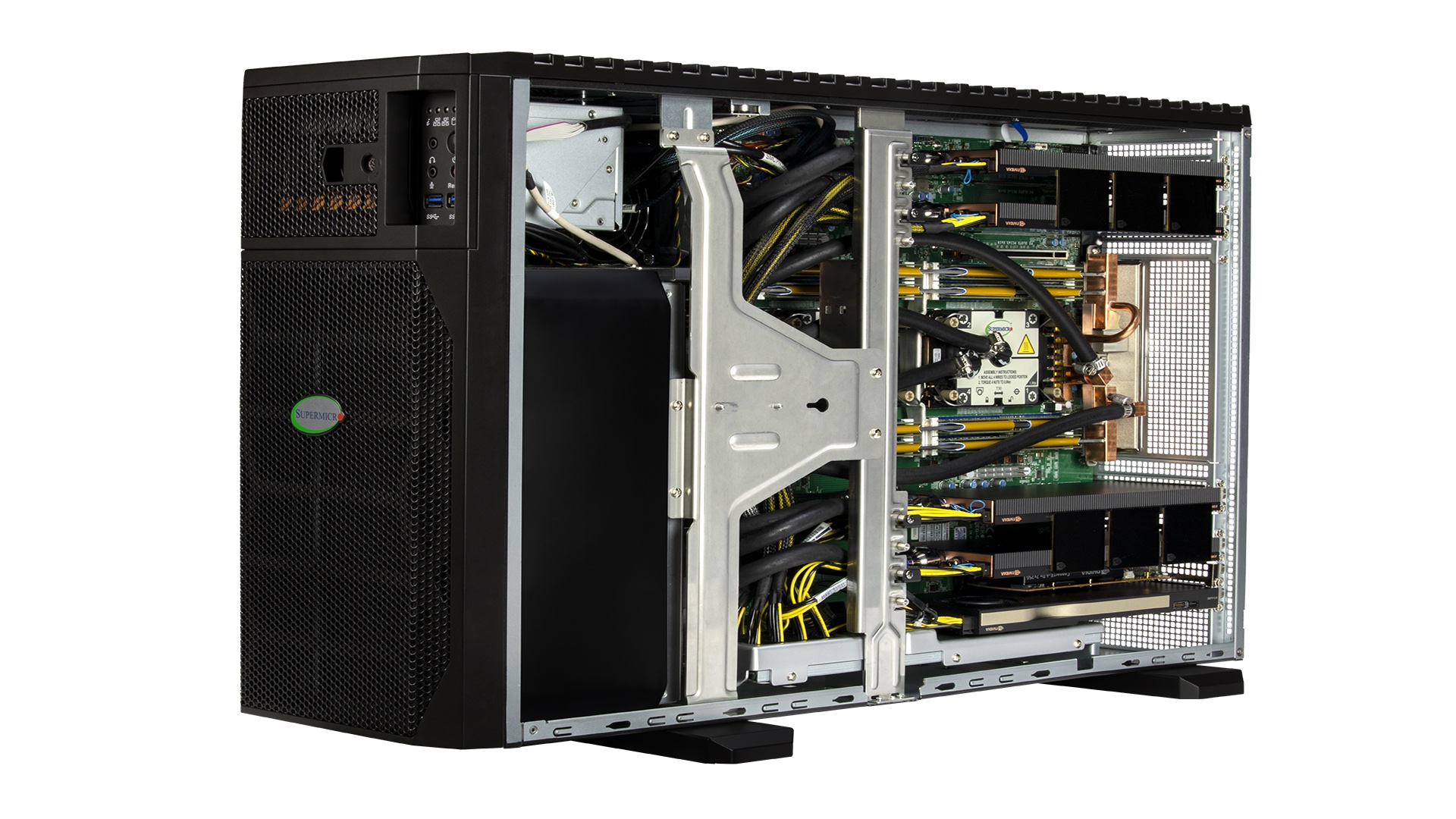
The company’s approach centers on a fully liquid-cooled architecture that captures heat directly at the chip level. By circulating liquid through loops at temperatures reaching 113 degrees Fahrenheit (45 degrees Celsius), the system enables outdoor dry coolers to reject heat efficiently regardless of ambient conditions. According to Josh Parker, Nvidia’s head of sustainability, this transition reduces water consumption from 2.6 million gallons per megawatt annually in traditional cooling-tower systems to virtually zero.
While the efficiency gains are substantial, the transition to these high-heat systems leaves several questions unanswered. Nvidia has not publicly disclosed the capital expenditure required to implement this technology compared to standard air-cooled facilities, nor does the design account for the broader environmental impact of constructing such massive infrastructure or the power generation demands of the facilities themselves. Despite these gaps, the company asserts that cloud providers and data center operators are already shifting toward this model to accommodate the next generation of AI hardware.
Comments (0)
No comments yet. Be the first!