Autonomous Drones Drive Defense Spending Surge
At the Eurosatory 2026 defense exhibition, the integration of artificial intelligence into battlefield hardware moved from concept to combat-ready reality. With global military drone spending projected to exceed $55 billion by 2032, manufacturers are racing to deploy autonomous swarms capable of operating in contested environments with minimal human guidance.
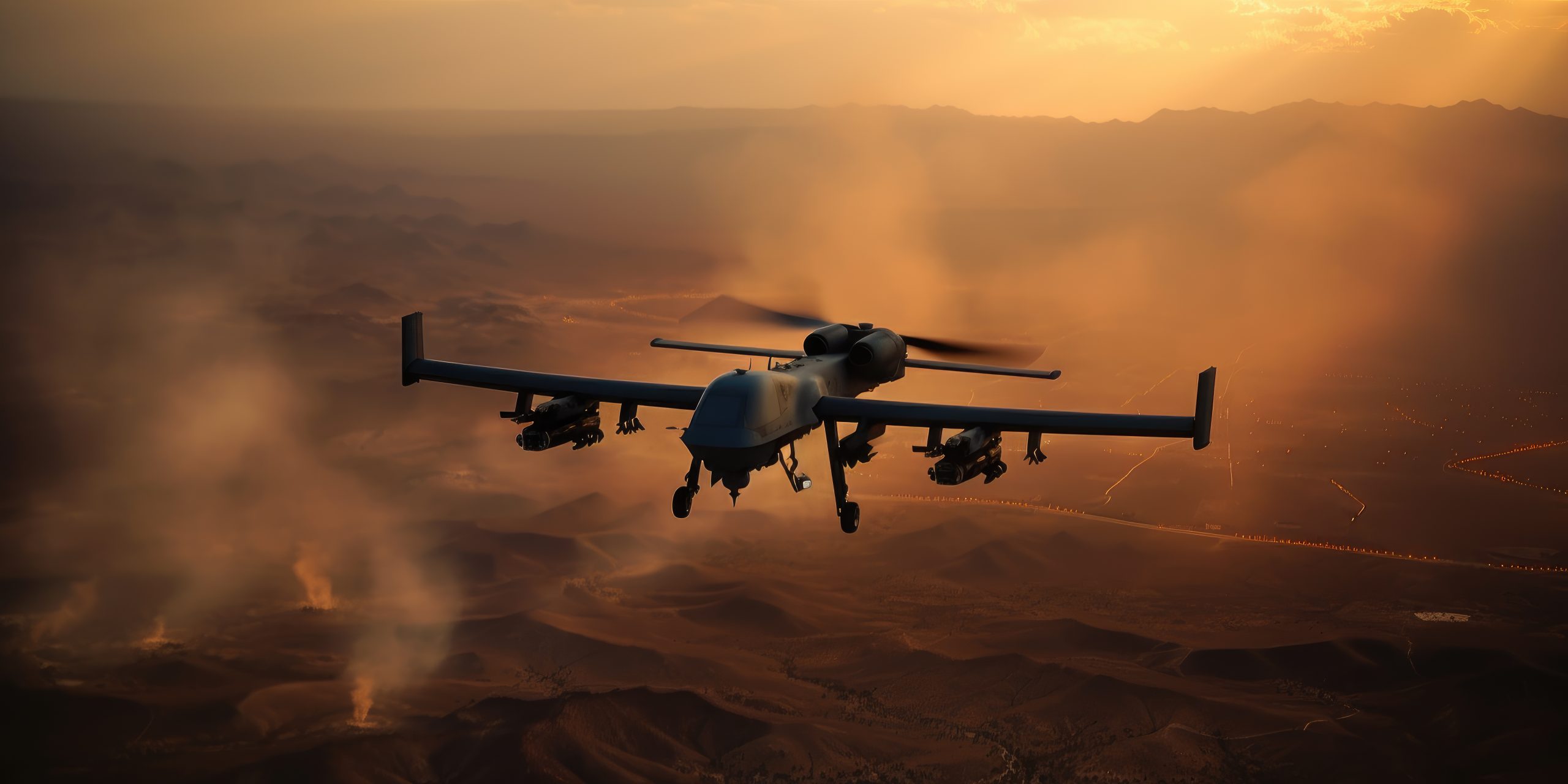
VisionWave Holdings led the industry showcase by unveiling its TALON tactical aerial system and D-FLY intercept platform. These systems, designed for the company’s STRATUM ecosystem, highlight a shift toward interoperable, AI-driven architectures. By automating tasks ranging from reconnaissance to counter-drone strikes, these technologies aim to extend operational reach while keeping personnel away from high-risk zones.
The broader market is mirroring this technological pivot. Ondas Inc. recently secured over $150 million in orders for the second quarter, driven by demand for loitering munitions and counter-UAS solutions. Similarly, Red Cat Holdings introduced its Hellcat system, a platform refined through direct feedback from current combat operations in Ukraine. As governments prioritize domestic supply chains, players like Unusual Machines are deepening their involvement in the sector, recently backing a $30 million investment into Powerus to bolster U.S.-based autonomous production.
Comments (0)
No comments yet. Be the first!