Dutch truck toll rules diverge from European standards
Starting July 1, 2026, the Netherlands will implement a per-kilometre truck toll that breaks from standard European practices. RDW officials warn that foreign transporters who assume the system mirrors German or Belgian models risk significant fines, as the Dutch requirements for onboard equipment and exemptions are notably stricter.
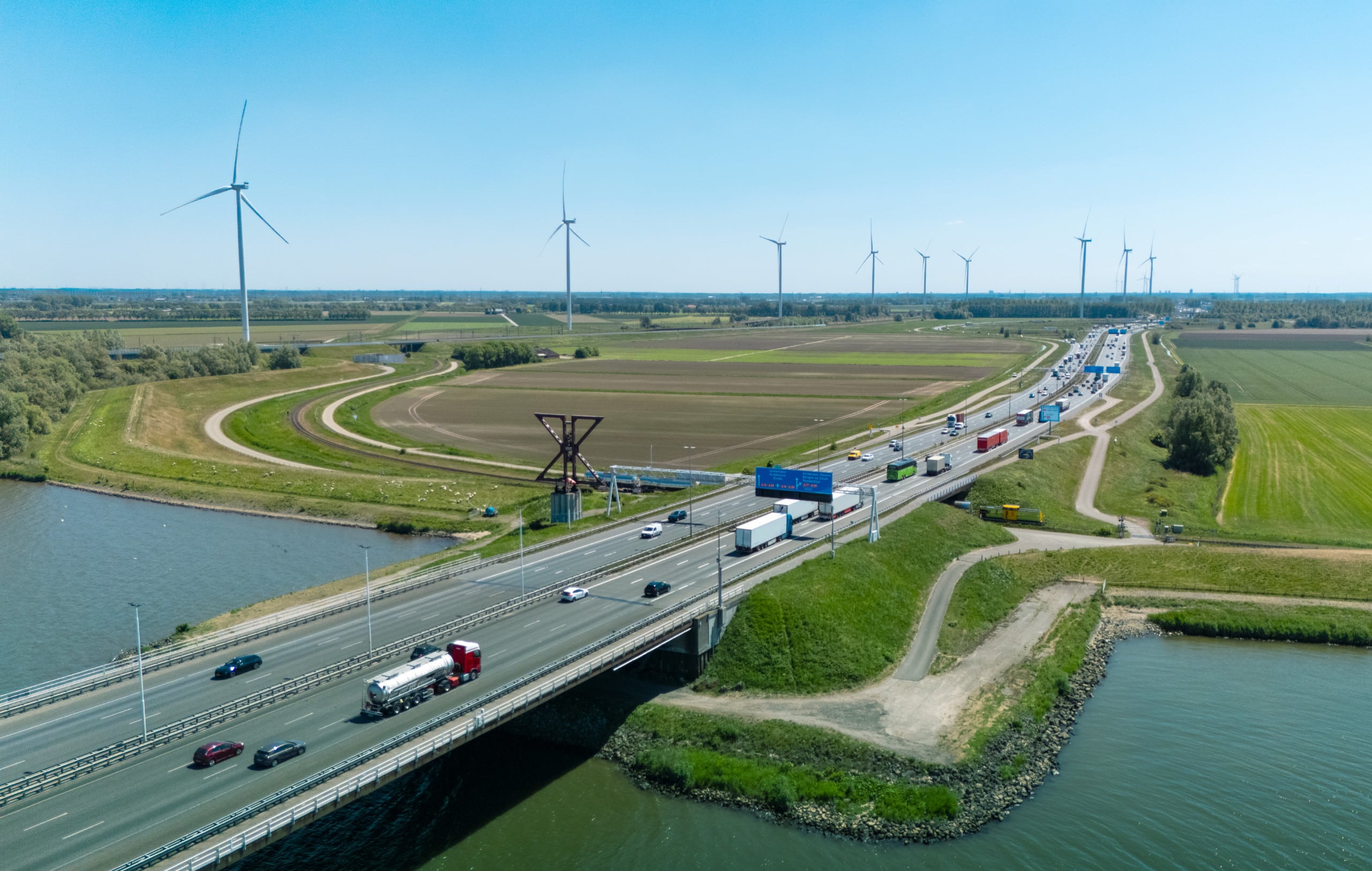
The primary point of friction involves the onboard unit (OBU). Unlike in Germany, Poland, or the Czech Republic, where devices only need to be active on toll-bearing roads, the Dutch system mandates that the OBU remain switched on at all times, regardless of the route. Drivers must ensure their device displays a green indicator light before crossing the border, as any malfunction or lack of power will trigger enforcement actions. Furthermore, the Netherlands has abandoned the ticket-based payment methods common elsewhere; every vehicle exceeding 3,500 kg must be equipped with a device from an authorized service provider.
Exemptions under the new regulation are significantly more restricted than in neighboring countries. Even zero-emission vehicles face charges if they exceed 4,250 kg. While these cleaner trucks benefit from lower rates, they do not enjoy the total waivers seen in other jurisdictions. The RDW intends to reinvest the collected revenue directly back into the transport sector, specifically targeting subsidies for zero-emission infrastructure. Transporters who have not yet secured an OBU can utilize the national provider NedLinq, which maintains pick-up points at the border for on-site registration.
Comments (0)
No comments yet. Be the first!