Why Routine Dental Exams Are Critical for Your Pet’s Longevity
A persistent case of bad breath or a slight change in eating habits may signal that your dog or cat is suffering from more than just discomfort. Dr. John Hergenrether, a Lawton-based veterinarian, warns that untreated oral infections often migrate into the bloodstream, threatening a pet’s vital organs.
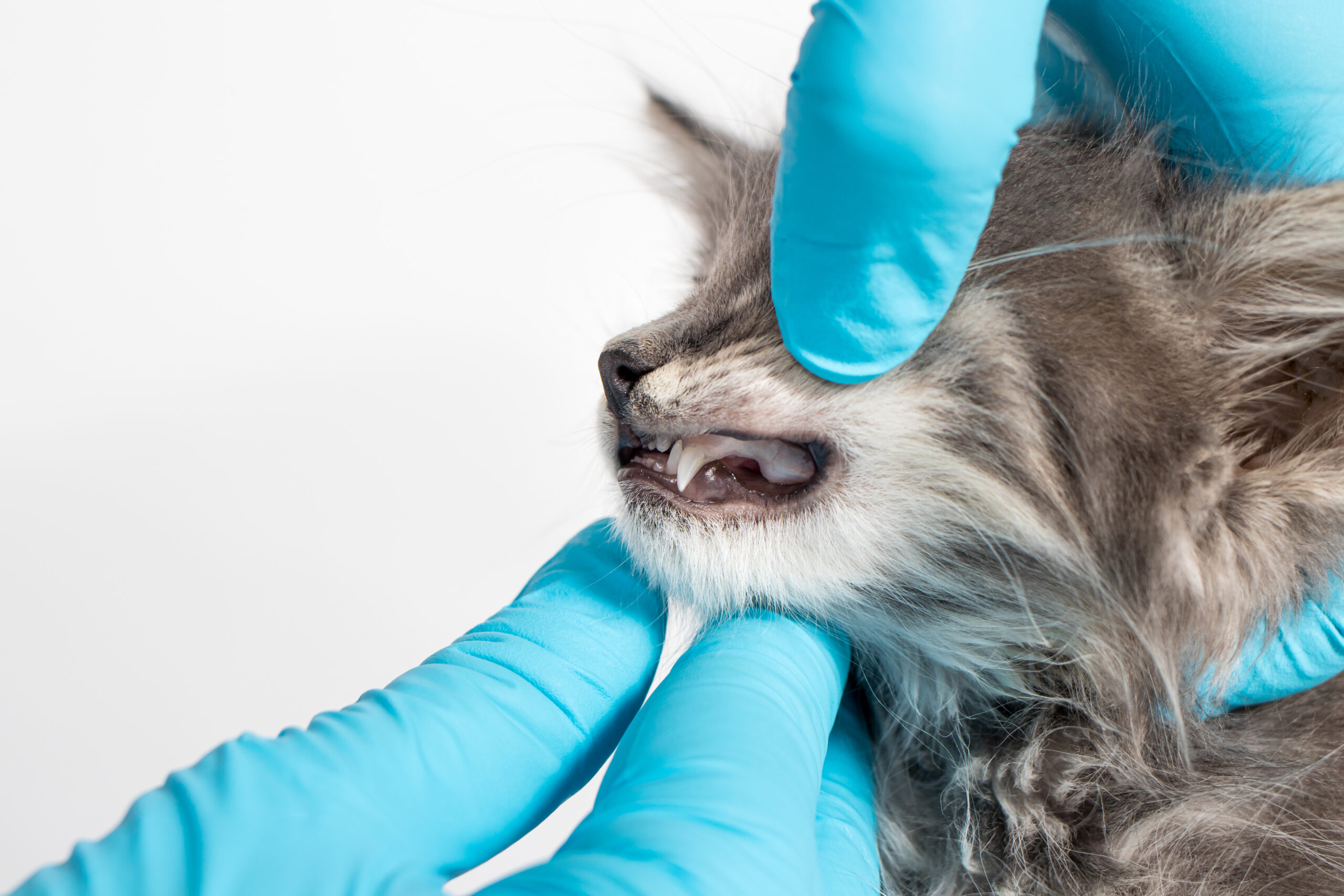
Bacteria accumulate silently on a pet’s teeth, forming plaque that hardens into tartar and eventually triggers painful inflammation. While many owners overlook these early stages, the consequences of neglect can be severe. Dr. Hergenrether emphasizes that oral infections do not remain localized; they can migrate to the heart, liver, and kidneys, significantly impacting long-term health.
Effective veterinary care requires more than a visual inspection. A comprehensive oral exam performed under anesthesia allows clinicians to assess areas beneath the gumline, while dental radiographs uncover hidden root infections or bone loss that standard wellness checks miss. Professional cleanings, which include scaling and polishing, remain the most reliable method for controlling bacterial buildup before it progresses to advanced periodontal disease.
Home care is a necessary supplement, not a replacement, for professional intervention. Daily brushing is the gold standard, though owners can utilize dental-specific diets, oral rinses, or vet-approved chews when brushing proves difficult. Dr. Hergenrether advocates for semi-annual checkups to ensure early detection, noting that senior pets are particularly vulnerable to oral complications. Consistent monitoring and timely professional treatment remain the most effective strategies for maintaining a pet's vitality and overall wellness.
Comments (0)
No comments yet. Be the first!