Supreme Court Weighs Bayer's Bid to Shield Roundup from Cancer Lawsuits
As activists gathered outside the Supreme Court on Monday, justices heard arguments in Monsanto Company v. Durnell, a pivotal case that could effectively strip cancer patients of their right to sue the makers of the herbicide Roundup for failing to warn users about potential health risks.
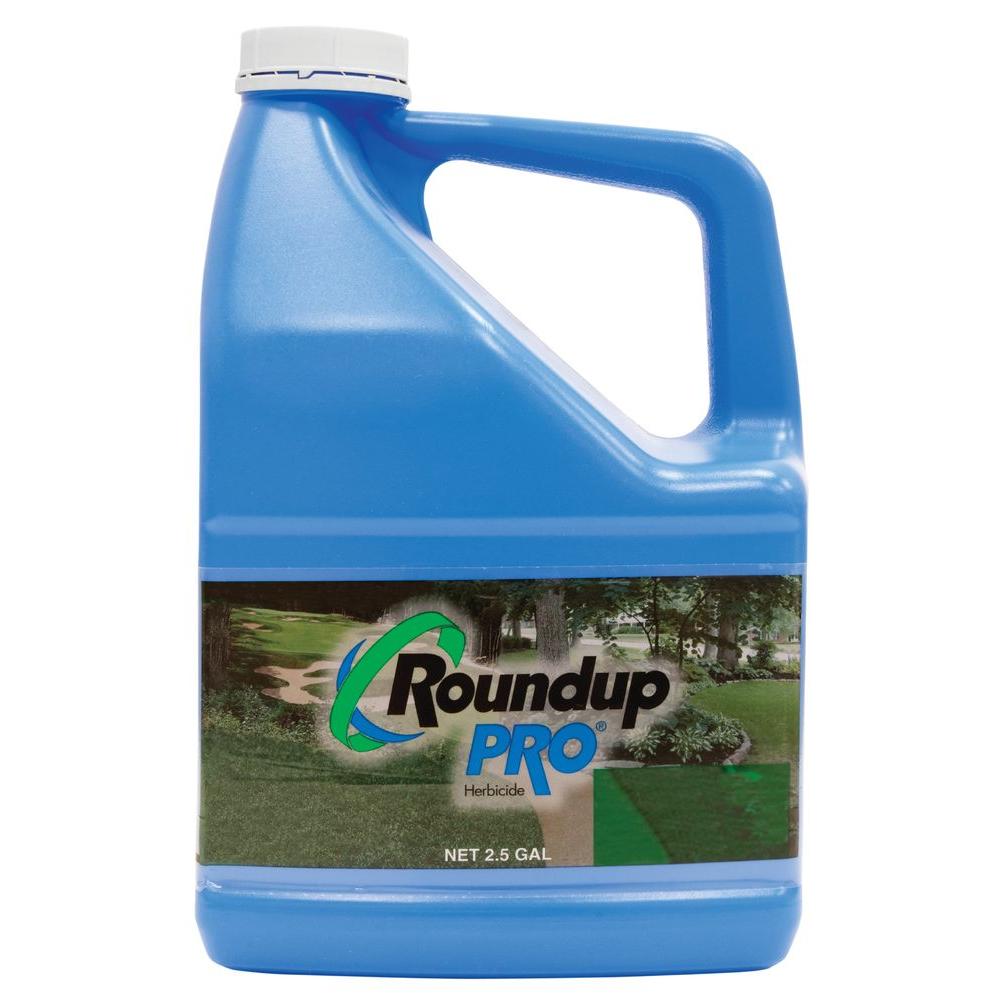
The case centers on John Durnell, who successfully sued Monsanto in 2019 after a jury linked his non-Hodgkin lymphoma to Roundup exposure. Bayer, which now owns the company, contends that federal law preempts state-level failure-to-warn claims, arguing that since the Environmental Protection Agency did not mandate a cancer warning, states cannot legally require one. While the World Health Organization’s cancer research agency classified glyphosate as probably carcinogenic over a decade ago, the EPA maintains the herbicide is safe.
Justices appeared split during proceedings. Some expressed sympathy for the company’s position that federal regulatory standards should offer a shield against state litigation, while others questioned whether such a ruling would prevent states from addressing evolving scientific evidence. The stakes are immense, as a decision in favor of Bayer could leave tens of thousands of current and future plaintiffs without legal recourse.
Beyond the courtroom, political tensions are rising. The Trump administration has sided with Bayer, even as the company lobbies Congress to secure permanent immunity from such claims in the 2026 Farm Bill. Advocates, including Sen. Cory Booker and various environmental groups, argue that this push prioritizes corporate profit over public health. Following the hearing, protesters rallied at Bayer’s Washington, D.C. headquarters to demand a phase-out of toxic pesticides, highlighting a growing disconnect between federal regulatory inertia and the concerns of those claiming life-altering injuries.
Comments (0)
No comments yet. Be the first!