The Hidden $20,000 Cost of Cheap Industrial Roller Chains
A $20 saving on a roller chain often triggers a catastrophic failure sequence costing facilities thousands in unplanned downtime. USA Roller Chain’s latest technical analysis reveals that procurement teams choosing components based solely on price frequently overlook critical tensile strength and material specifications, setting the stage for total system breakdown.
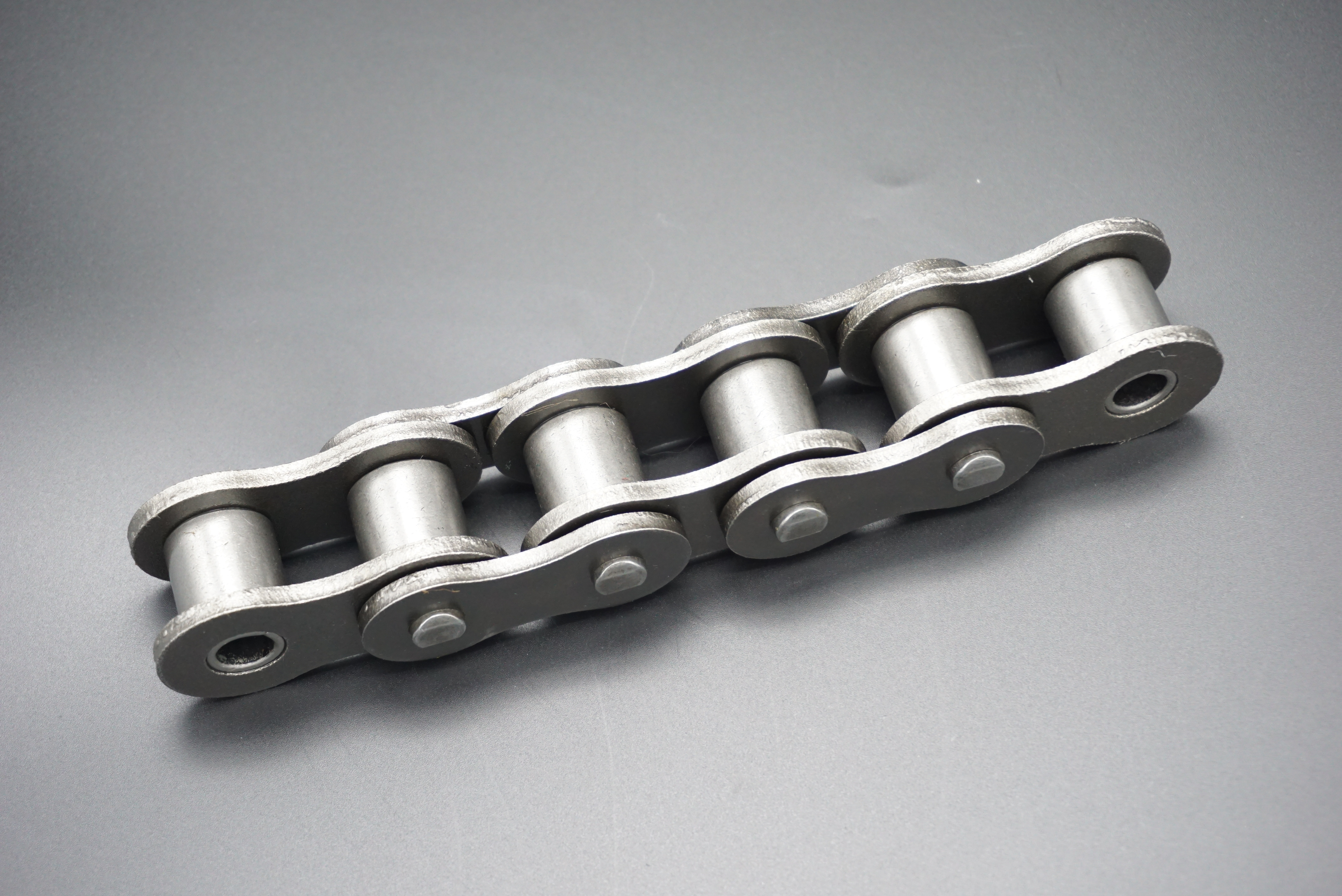
The failure pattern begins when a chain is selected based on nominal size rather than verified load ratings. Under operational stress, these substandard chains rapidly elongate, causing the pitch to shift and misalign with existing drive sprockets. This misalignment accelerates friction, effectively grinding down sprocket teeth and forcing a complete drive system overhaul rather than a simple component swap.
Chris Beckett, Director of Operations at USA Roller Chain, notes that the financial fallout rarely appears on the same ledger as the initial purchase. While the procurement department sees a lower unit cost, the facility eventually absorbs the expenses of emergency labor, expedited replacement parts, and scrapped production. The analysis identifies tensile strength mismatches and inferior material alloys as the primary culprits, noting that aftermarket parts often lack the fatigue resistance required for high-cycle industrial environments.
To mitigate these risks, the report urges facilities to prioritize specification accuracy over unit price. This includes verifying material certifications, assessing chain and sprocket compatibility as a single unit, and implementing scheduled elongation measurements. By shifting from reactive maintenance to a data-driven procurement model, plant managers can prevent the cascading failures that turn a minor cost-saving measure into a major operational liability.
Comments (0)
No comments yet. Be the first!