Supreme Court weighs legality of digital dragnet warrants
When police targeted a 2019 bank robbery suspect in Virginia, they did not look for a specific individual; they cast a digital net over everyone within 300 meters of the scene. Now, the Supreme Court is deciding whether these geofence warrants violate the Fourth Amendment’s protection against unreasonable searches.
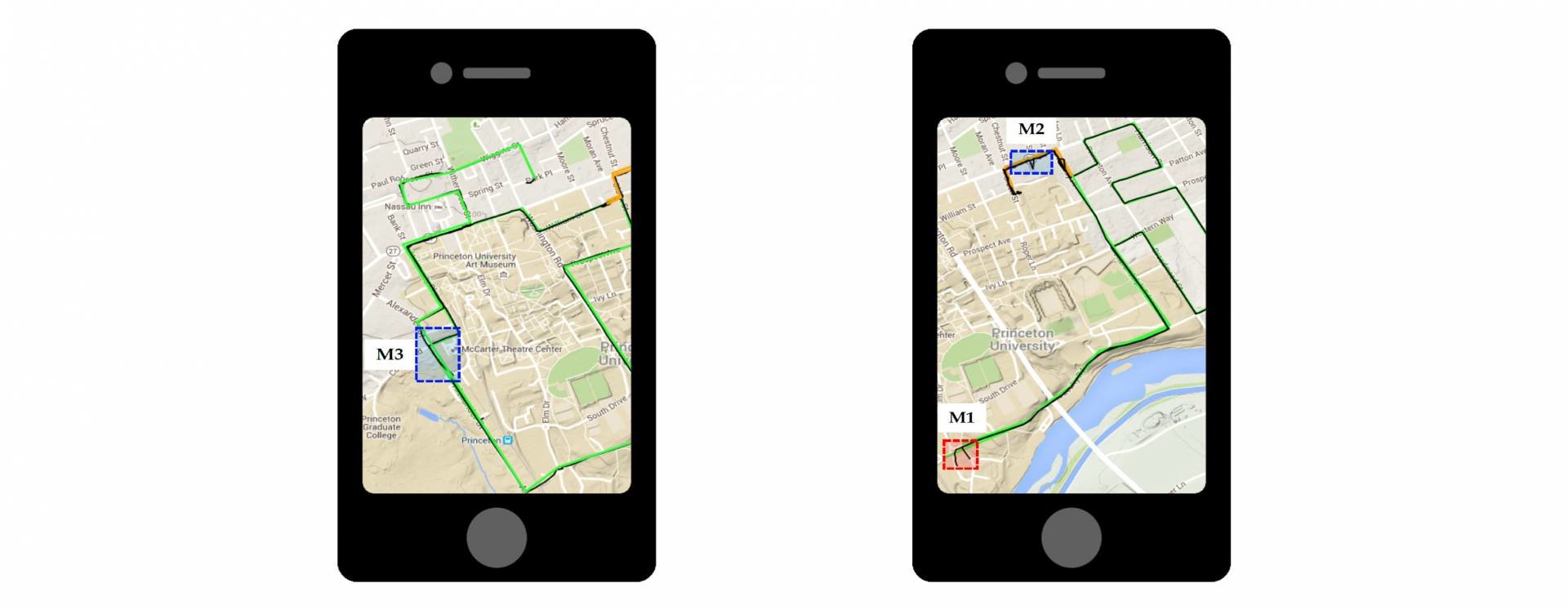
The case, Chatrie v. United States, centers on Okello Chatrie, who was identified as a suspect after investigators compelled Google to hand over location data for every device active near the Call Federal Credit Union during the heist. Using Google Maps’ Location History—a tool capable of pinpointing a user within three meters—authorities sifted through private data to narrow their search. This practice essentially turns everyday smartphone users into potential witnesses or suspects simply by virtue of their proximity to a crime.
Defense attorneys argue that such broad inquiries lack the individualized probable cause required by the Constitution. While a federal district court initially labeled the search unconstitutional, it allowed the evidence under the "good faith exception." An appeals court later went further, ruling that no Fourth Amendment violation occurred at all because users voluntarily share data with tech companies. Although Google altered its data storage policies in 2024 to minimize cloud-based location tracking, the justices must now determine if the government’s past reliance on these digital dragnets crossed a fundamental legal line.
Comments (0)
No comments yet. Be the first!