Hanyang University Engineers Develop Hardware-Level Image Authentication
As AI-generated forgeries proliferate, researchers at Hanyang University have engineered a light-driven random number generator designed to embed unique security signatures directly into digital images. This hardware-based approach aims to shift authentication from post-processing software to the moment of capture, effectively creating a physical fingerprint for every frame.
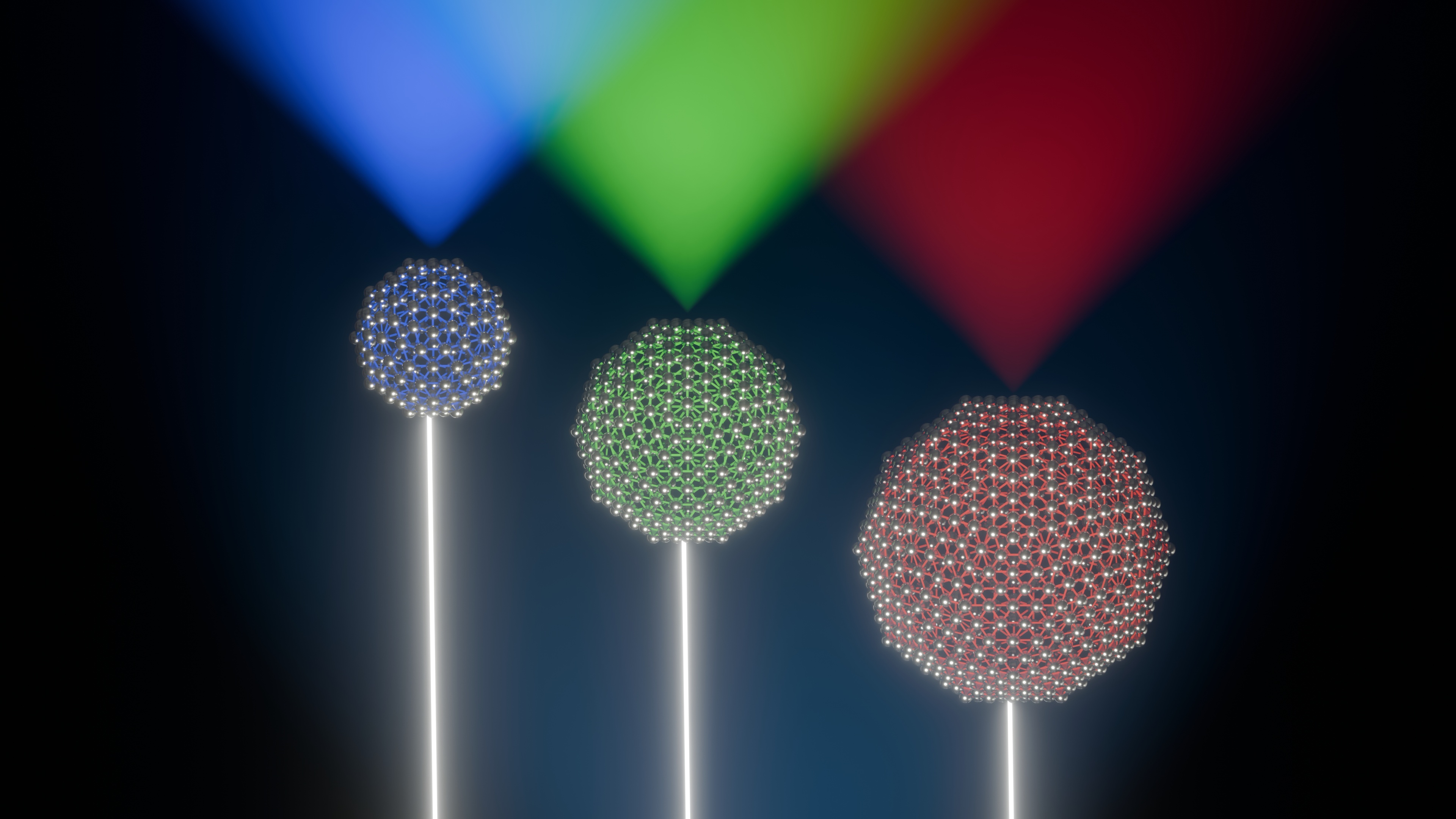
Led by Associate Professor Hocheon Yoo, the team developed a photospike-based true random number generator (PS-TRNG) using a copper vanadate and tin dioxide quantum-dot heterostructure. When pulsed with red light, the device triggers stochastic charge trapping and release within the semiconductor nanostructures. This unpredictable electrical behavior generates random signals that are digitized into ternary logic states. Unlike traditional pseudo-random generators, which rely on mathematical algorithms prone to vulnerabilities, these physical entropy sources passed all 15 tests in the National Institute of Standards and Technology suite. The system demonstrated significant durability, maintaining stability over two million operating cycles and 460 days of testing.
The practical application involves embedding these random numbers as invisible signatures within image data. Because the signature is tied to the hardware acquisition process, any subsequent pixel-level modification or deepfake manipulation disrupts the pattern, triggering an immediate alert. This method offers a robust defense for sensitive fields such as legal forensics, medical imaging, and journalism, where the integrity of visual evidence is paramount. By integrating these entropy sources directly into camera sensors, manufacturers could ensure that visual authenticity is locked at the hardware level, bypassing the weaknesses inherent in current software-only verification tools.
Comments (0)
No comments yet. Be the first!