Why Michigan Winters Shorten Roof Lifespan
Michigan's relentless freeze-thaw cycles and Great Lakes wind gusts do more than just rattle windows; they actively dismantle residential roofing systems. Matt Waligorski, president of Tom Waligorski Roofing in Livonia, warns that local climate patterns force materials to age far faster than they would in more temperate regions.
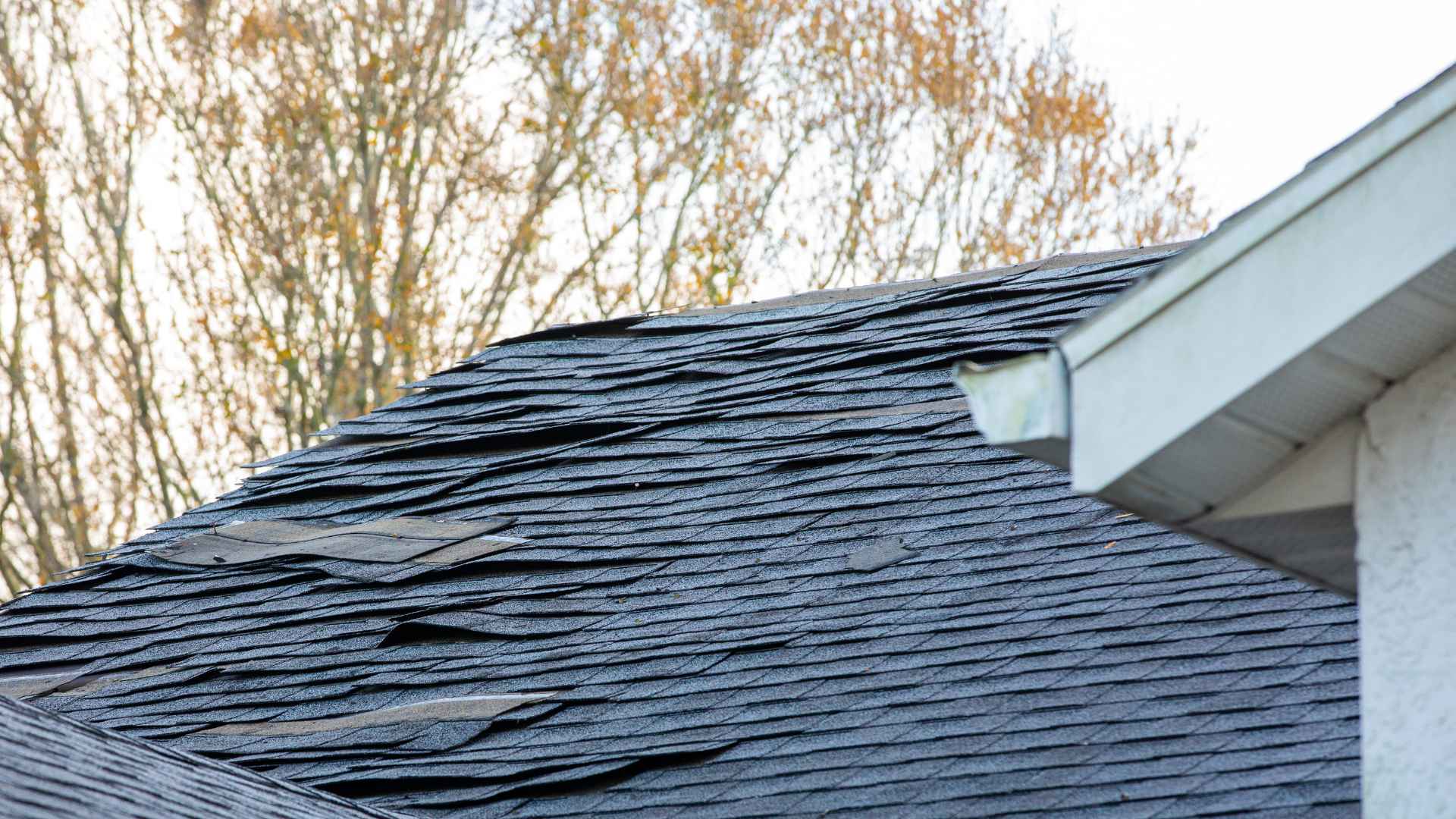
The primary culprit is the daily temperature swing. When mercury fluctuates across the freezing point, moisture trapped beneath asphalt shingles expands and contracts. This repeated mechanical stress weakens seals and creates microscopic gaps, providing an entry point for ice and snow. Over time, these small openings widen, compromising the structural integrity of the roof deck.
Wind and heavy snow loads exacerbate the decay. Strong gusts off the Great Lakes frequently lift shingle edges, breaking adhesive bonds and creating a chain reaction of surface damage. When snow piles up, the weight stresses weakened areas, while meltwater refreezing at the eaves forms ice dams. These dams trap water against the roof surface, forcing it to seep beneath shingles and damage the underlying sheathing.
Ventilation remains the most overlooked factor in this equation. Without adequate airflow, moisture from warm attic air condenses during winter, rotting wood framing and encouraging mold. In summer, trapped heat bakes shingles from the inside out, causing them to crack and lose their protective granules prematurely. Waligorski notes that outdated roofing materials, not engineered for these specific regional extremes, often fail years ahead of schedule. He advises homeowners to treat their roofs as dynamic systems rather than static structures, emphasizing that proactive inspections—particularly after harsh winters—are the only way to catch vulnerabilities before they result in interior leaks and expensive repairs.
Comments (0)
No comments yet. Be the first!