How the smartphone forced a shift to vertical video
The era of distinct platform identities has dissolved into a single, tall-screen standard. While legacy media once championed the horizontal landscape of cinema and television, the ergonomics of the handheld device have systematically dismantled those conventions, turning the smartphone into the primary lens for modern digital entertainment.
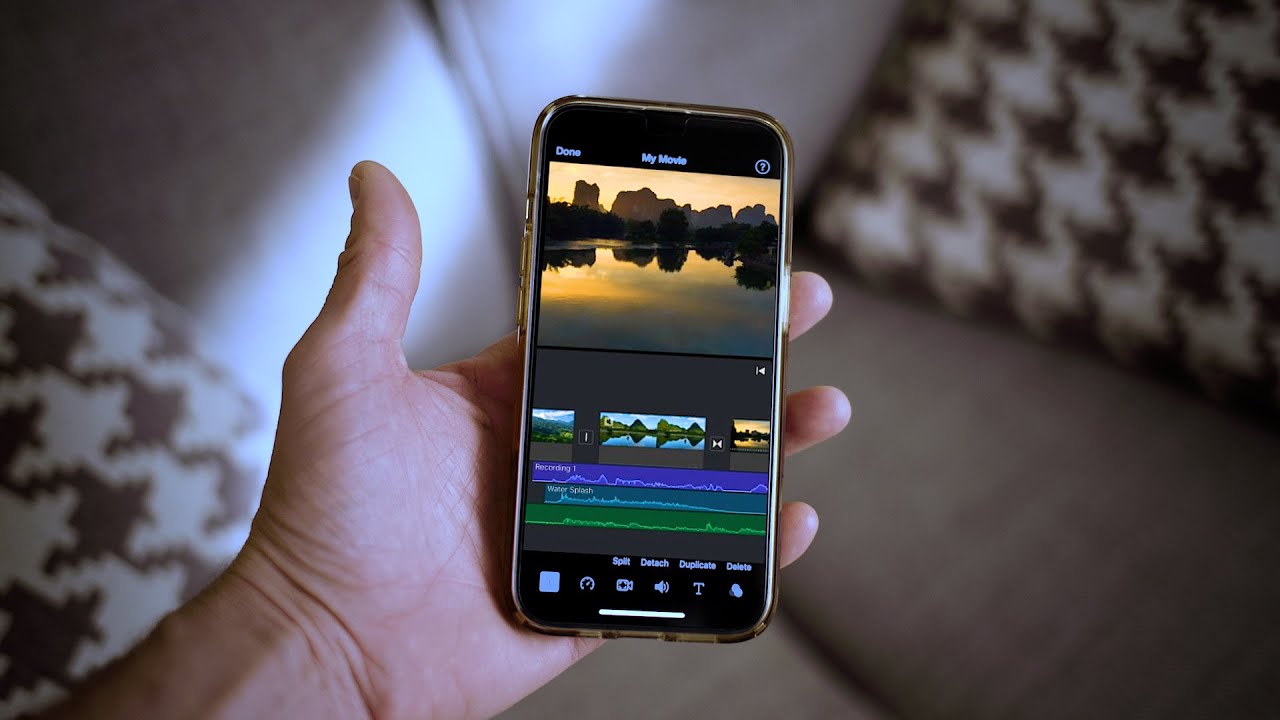
For years, social media platforms operated within clearly defined lanes. YouTube served as an archive for long-form clips, Instagram functioned as a digital photo album, and Facebook acted as a social directory. These services matured alongside the smartphone, yet they initially struggled to reconcile their desktop-born aesthetics with the physical reality of the mobile device. Users naturally gravitated toward the vertical orientation for selfies, as it maximized screen real estate and simplified one-handed operation.
Industry purists spent years arguing that human vision is inherently horizontal, dismissing vertical video as a clumsy compromise that looked jarring on widescreen monitors. Those arguments proved futile against the convenience of the upright grip. Snap anticipated this shift early, launching Stories in late 2013 to provide a relaxed, phone-native way to consume content. Once the hardware became the primary portal for engagement, the software had no choice but to follow the orientation of the user's hand.
Comments (0)
No comments yet. Be the first!