Hidden Risks of Lakeside Living: What Buyers Must Know
Before signing the deed to a waterfront home, buyers must look beyond the scenic view to assess hidden liabilities. Real estate broker Courtney Robertson warns that flood zones, restrictive shoreline regulations, and specialized maintenance requirements often catch unsuspecting investors off guard, turning a dream property into a costly financial burden.
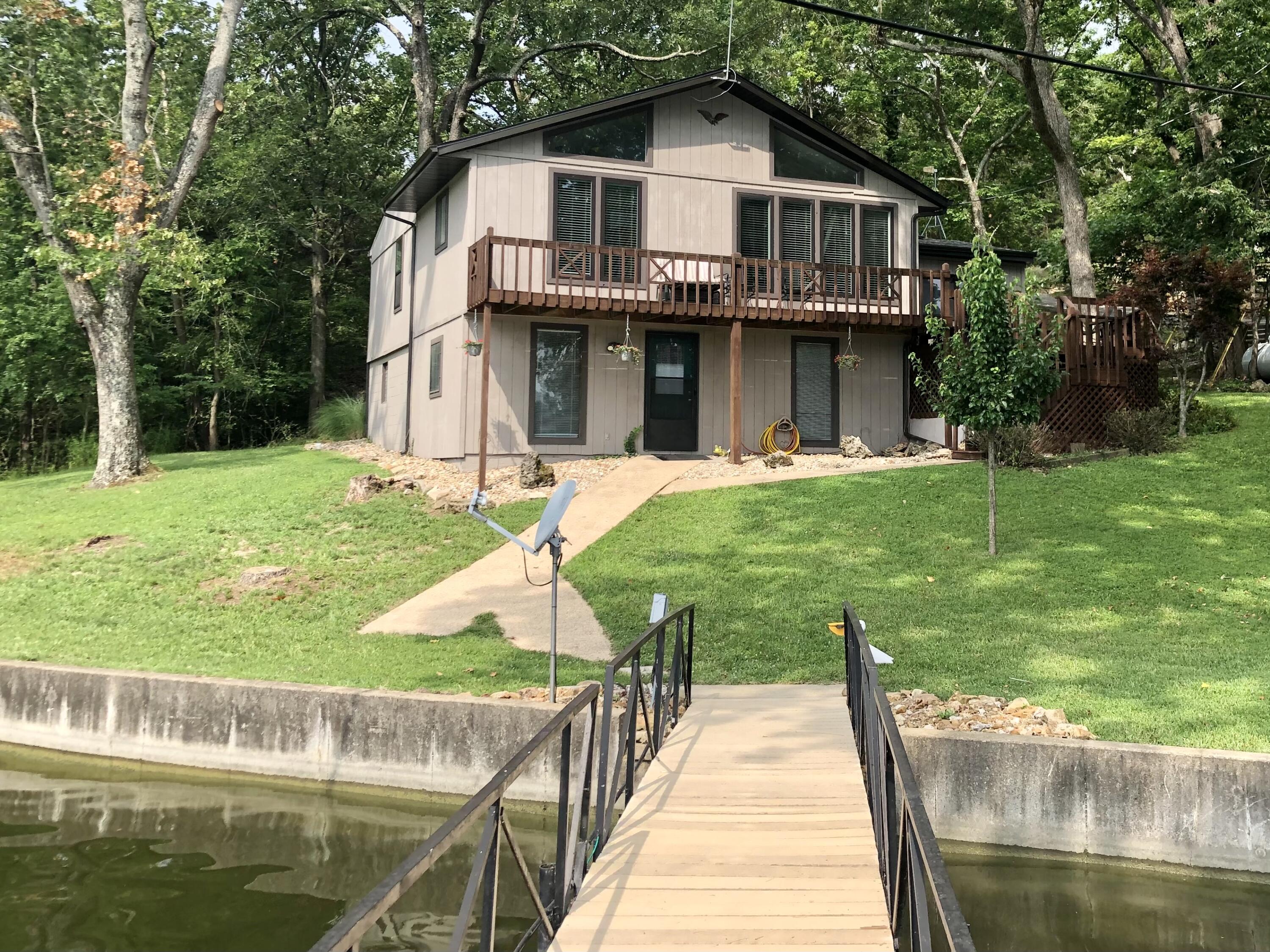
The allure of lakefront living frequently masks complex infrastructure challenges that differ significantly from standard residential real estate. Robertson emphasizes that verifying the integrity of docks and seawalls is a critical first step, as constant water exposure accelerates structural deterioration. Prospective owners should anticipate higher long-term maintenance costs and potential legal hurdles regarding landscaping or structural modifications, which are often strictly governed by local or federal agencies.
Beyond physical upkeep, the geography of a property dictates its financial viability. Many waterfront homes reside in high-risk flood zones, necessitating specialized insurance policies that go well beyond traditional homeowner coverage. Furthermore, buyers must investigate the reliability of utilities, such as septic and electrical systems, which may not meet modern standards in remote or private lakeside settings. A standard home inspection is insufficient here; experts recommend a comprehensive evaluation that includes soil stability and erosion patterns to avoid unforeseen repair expenses. Ultimately, balancing lifestyle goals with these regulatory and environmental realities determines the true value of a lakefront investment.
Comments (0)
No comments yet. Be the first!