Warning Signs Your Water Heater Is Nearing End of Life
A puddle at the base of the tank or water that runs cold too quickly are more than minor annoyances; they are critical signals of mechanical failure. Tim Martin, Vice President of Jimmy’s Plumbing in Greensboro, suggests that homeowners who recognize these symptoms early can avoid costly emergency replacements.
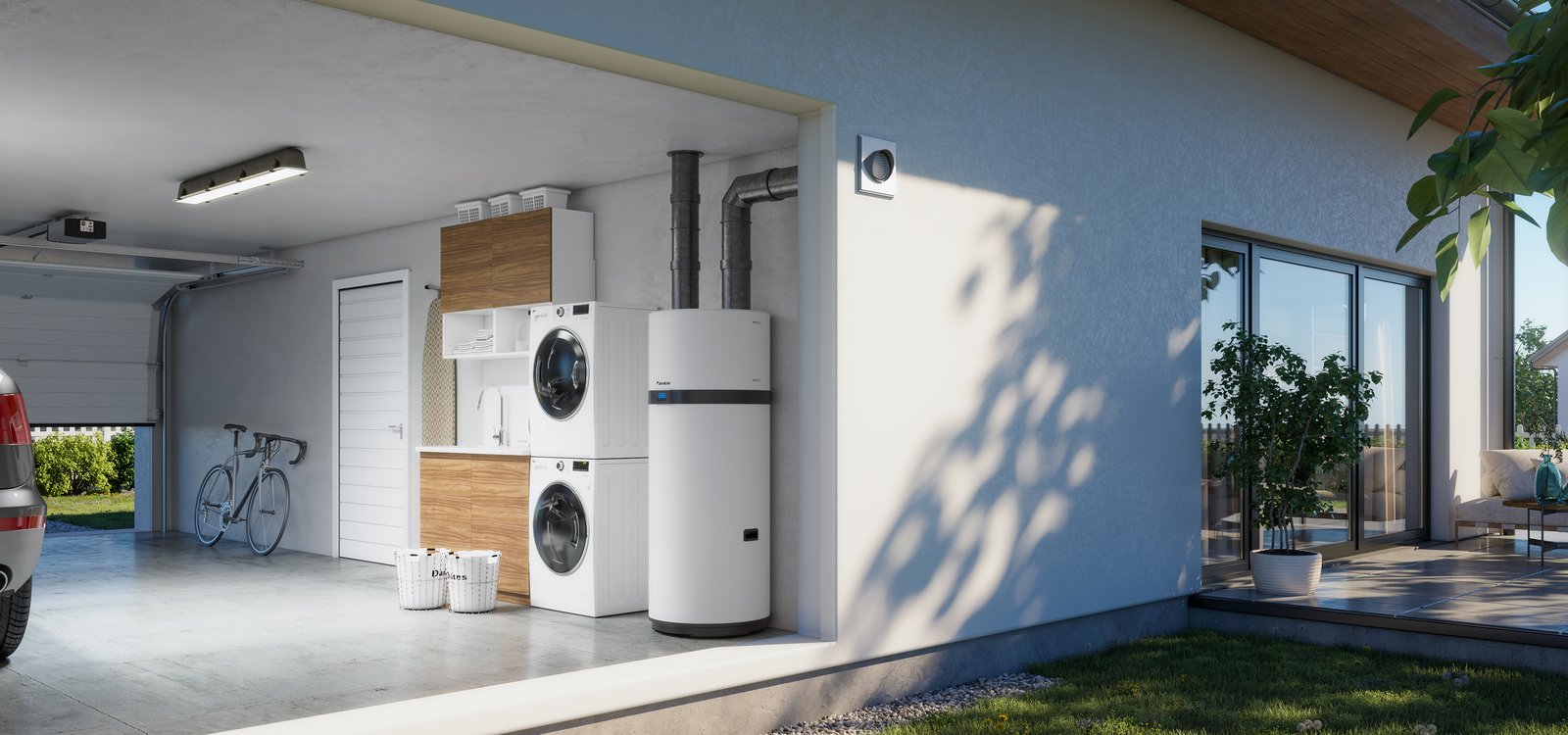
Most water heaters function reliably for eight to twelve years, but performance inevitably declines as components age. Martin identifies discolored or rusty water as a primary indicator of internal corrosion. This occurs when the anode rod, designed to attract corrosive elements, fully deteriorates, leaving the steel tank vulnerable to oxidation and eventual leakage.
Audible cues also reveal internal strain. Popping or rumbling sounds typically stem from sediment buildup at the base of the tank. As minerals harden, the unit must consume more energy to heat water through the layer of debris, which accelerates wear on heating elements and threatens the structural integrity of the unit. Beyond physical damage, homeowners should monitor utility bills for unexplained spikes, which often signal that the system is struggling to maintain consistent temperatures.
Preventative care remains the most effective strategy for extending service life. Flushing the tank to clear sediment and replacing the anode rod can add years to a unit’s operation. Martin emphasizes that while these tasks are manageable for a professional, ignoring them forces a complete system replacement once the tank fails. Monitoring for minor pressure drops or fluctuating temperatures allows for scheduled maintenance rather than a reactive, expensive emergency installation.
Comments (0)
No comments yet. Be the first!