Rika Sensor Targets Liquid Cooling Reliability in AI Data Centers
As AI data centers pivot toward liquid cooling to manage extreme thermal loads, the integrity of coolant fluids has emerged as a primary failure point. Changsha-based Rika Sensor is now deploying real-time online monitoring systems to track conductivity, pH levels, and turbidity, aiming to prevent corrosion and systemic hardware failure.
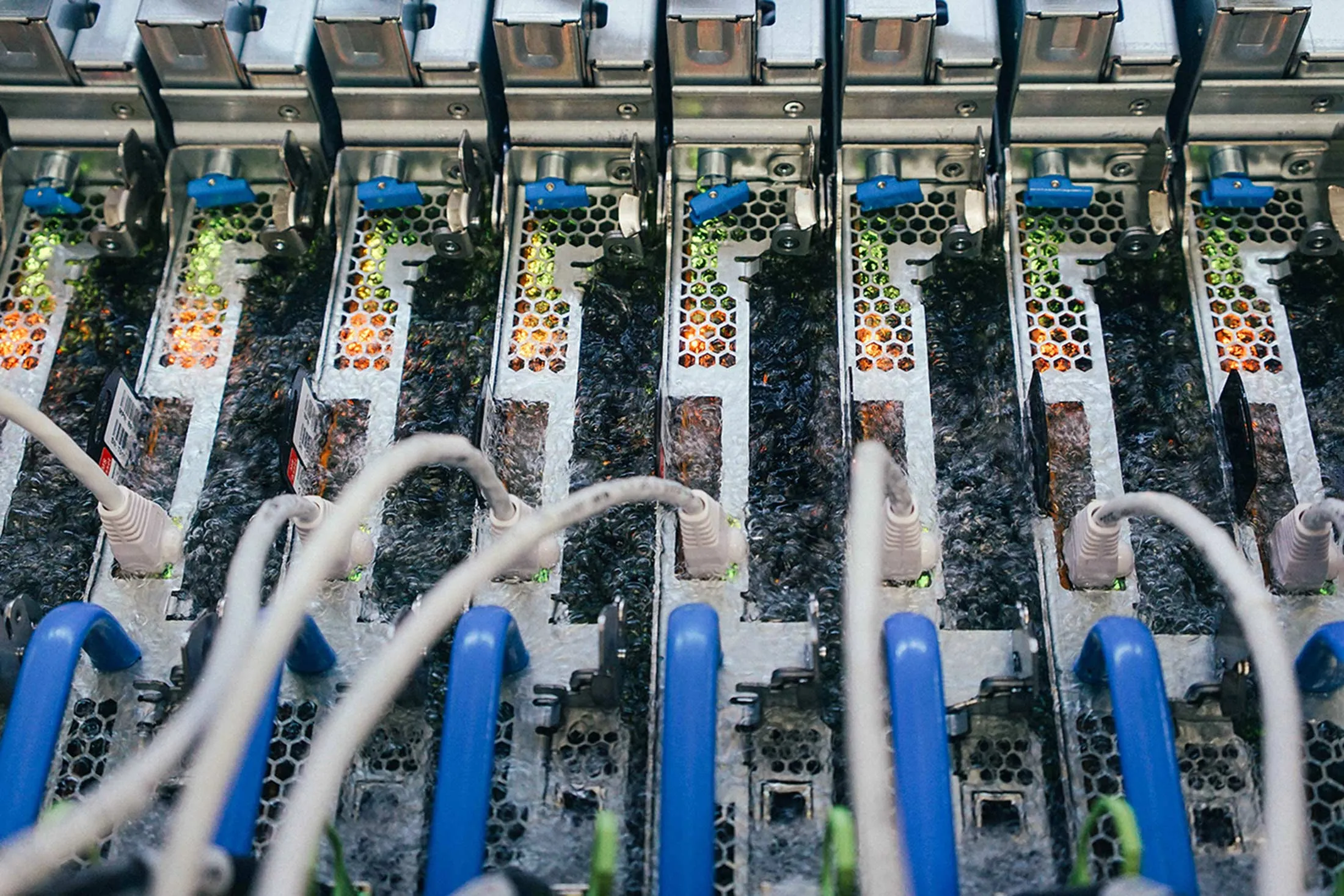
The rapid expansion of high-density AI infrastructure is pushing cooling systems beyond the limits of traditional air-based methods. Market projections from MarketsandMarkets suggest the global liquid cooling sector will climb from $4.07 billion in 2026 to $27.65 billion by 2033. This growth creates an urgent requirement for precise, automated oversight of the fluids circulating through servers and energy storage units.
Manual sampling remains the industry standard, yet its inherent lag time often prevents operators from detecting chemical imbalances before they cause irreversible damage. Rika Sensor addresses this by integrating multi-parameter sensors that track pH, dissolved oxygen, and particle density in real time. These units utilize temperature compensation and corrosion-resistant materials designed for the specific rigors of industrial thermal management. In a recent European deployment, the company’s hardware provided constant diagnostic data, allowing operators to preemptively flag coolant degradation. According to Henry, a technical director for an overseas client, these capabilities have lowered maintenance overheads and mitigated the risk of sudden equipment shutdowns.
Comments (0)
No comments yet. Be the first!