Autonomous Drones Emerge as Frontline Defense Against Escalating Wildfires
As wildfire intensity and containment costs surge globally, emergency response teams are shifting away from traditional aviation toward autonomous drone fleets. These systems, capable of operating in low-visibility conditions that ground conventional aircraft, are transforming from optional monitoring tools into critical infrastructure for real-time fire suppression and site management.
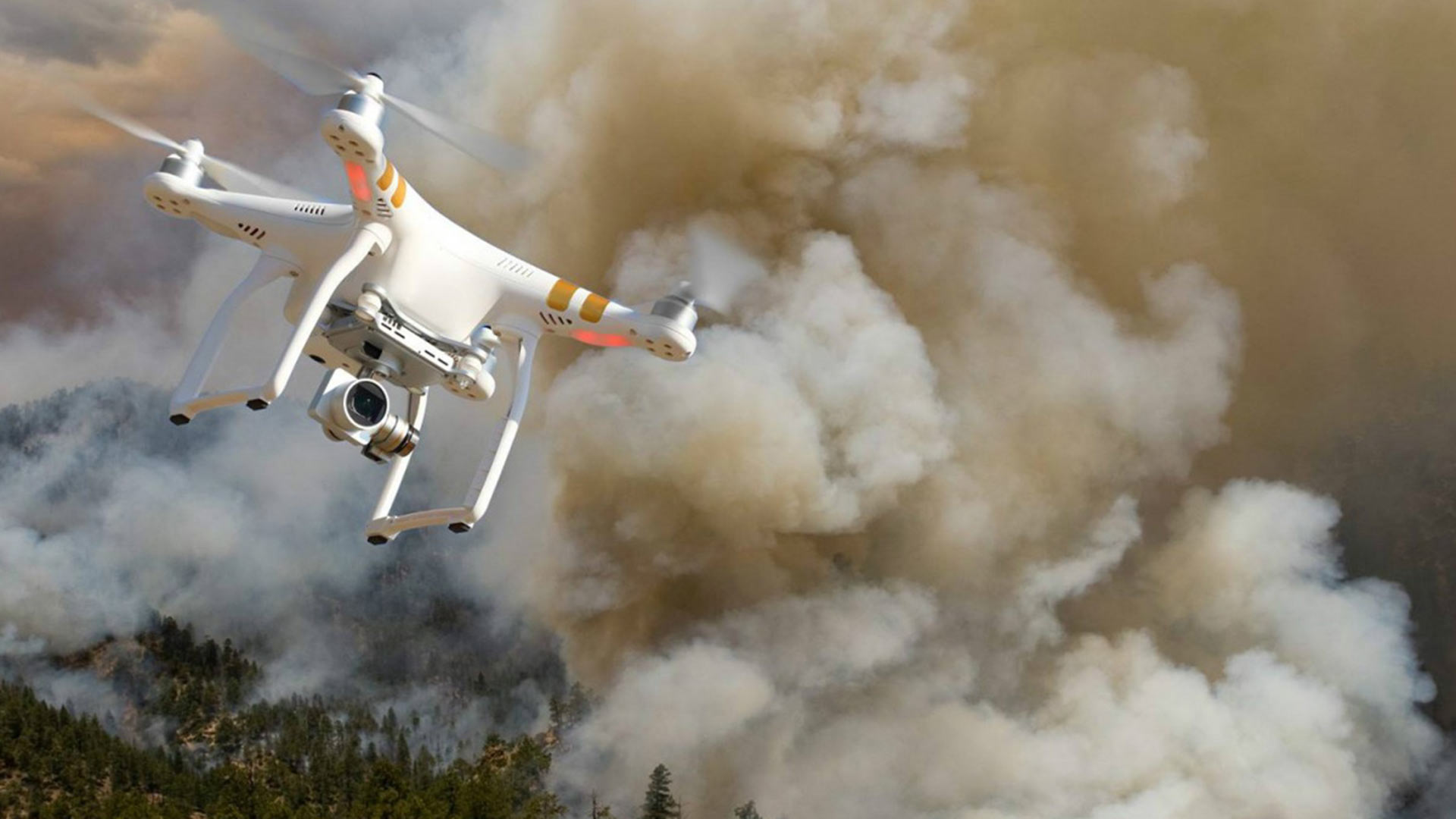
The economic impact of wildfires has become a chronic burden, with U.S. losses reaching up to 4% of GDP annually. This fiscal pressure is driving heavy public sector investment into high-tech alternatives. ZenaTech recently filed five patents for acoustic fire suppression technology, which uses low-frequency sound waves to disrupt flames without the chemical or water discharge required by conventional methods. Mounted on the ZenaDrone 1000, this system aims to protect sensitive infrastructure like data centers and electrical substations where traditional retardants might cause secondary damage.
Beyond specialized suppression, the market for emergency drones is expanding rapidly. Industry projections suggest the firefighting drone sector could grow to $2.8 billion by 2033, while the broader Drone-as-a-Service market is expected to surpass $150 billion by the mid-2030s. Major industry players are already scaling operations to meet this demand. Bridger Aerospace recently secured a $58 million contract to modernize aerial firefighting fleets in Texas, while a partnership between Lockheed Martin, PG&E, and other firms launched EMBERPOINT, a venture focused on integrating AI-driven command-and-control systems for disaster mitigation. As these technologies mature, they offer a scalable way to bolster fire lines and protect communities in an era of increasingly volatile climate conditions.
Comments (0)
No comments yet. Be the first!