Hyperphosphatemia Treatment Market Shifts Toward Next-Gen Therapies
The global market for hyperphosphatemia management is poised for steady expansion through 2036, fueled by the rising prevalence of chronic kidney disease and a shifting clinical landscape that prioritizes reducing pill burden. Emerging therapeutic candidates are targeting novel absorption pathways to improve patient adherence over current standard-of-care treatments.
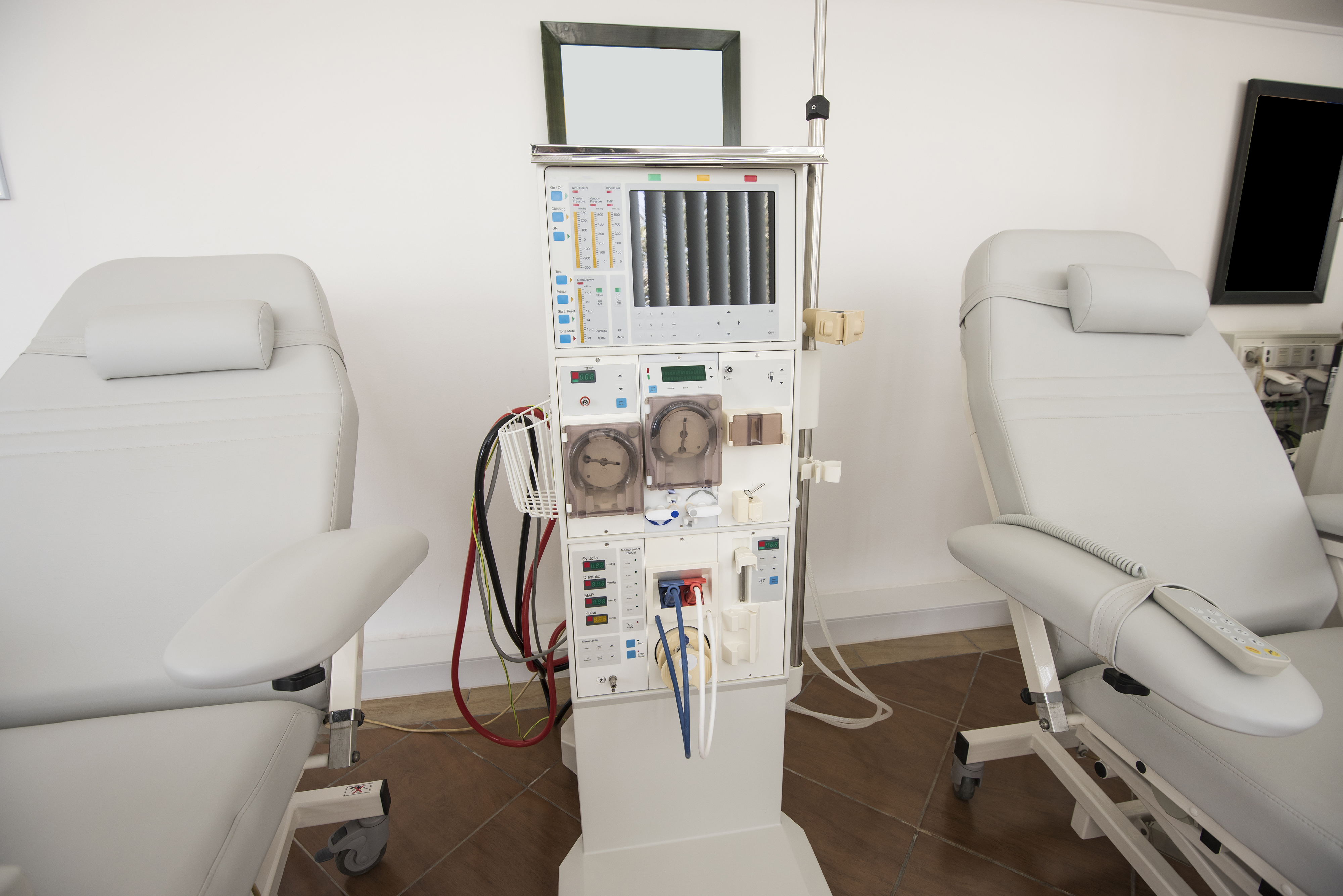
While current clinical practice relies heavily on established phosphate binders such as sevelamer carbonate and ferric citrate, these therapies often face limitations regarding patient compliance and gastrointestinal side effects. The next decade of treatment is set to be defined by a new wave of candidates, including Taisho Pharmaceutical’s TS-172 and Unicycive Therapeutics’ Oxylanthanum Carbonate. These agents are designed to offer more efficient phosphate control with simplified dosing regimens.
Technological innovation in the sector is particularly focused on intestinal phosphate transport. R1 Therapeutics is developing AP306, a first-in-class, broad-spectrum phosphate transporter inhibitor that marks a departure from traditional binding mechanisms. By targeting active rather than passive transport, these therapies aim to address the persistent challenges faced by dialysis patients. As clinical trials progress—including late-stage evaluations for candidates like AP-301—the market is expected to see a fundamental transformation in how clinicians manage long-term mineral and bone disorders associated with renal dysfunction.
Comments (0)
No comments yet. Be the first!