Rio Conventions Fragment Indigenous Influence on Global Climate Policy
While the three Rio Conventions have increased their recognition of Indigenous Peoples, a new report from Nia Tero warns that systemic fragmentation still prevents these communities from exerting real influence over global decisions on climate change, biodiversity loss, and land degradation.
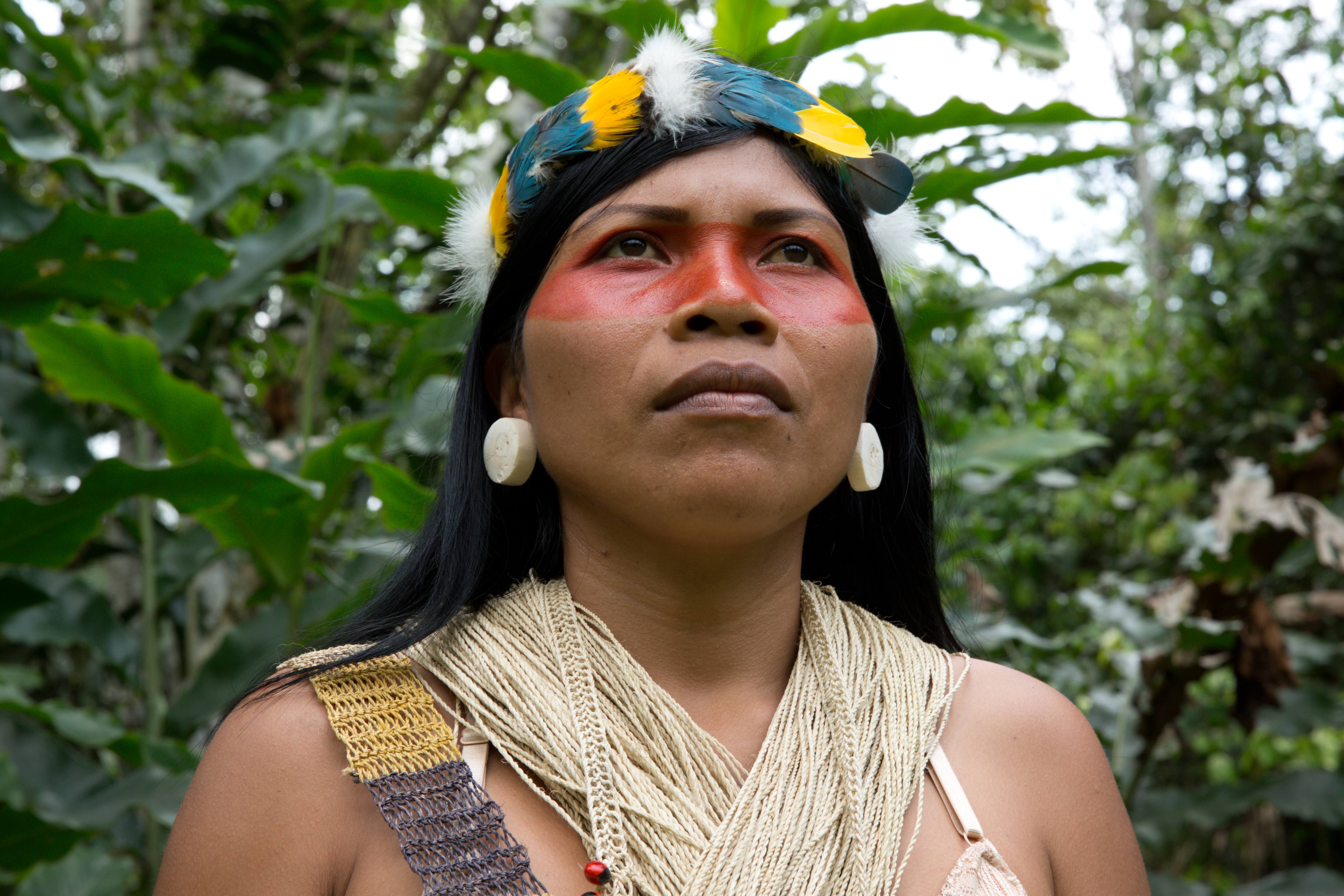
The report, titled "Beyond Fragmentation: Advancing Coherence, Equity, and Indigenous Leadership Across the Rio Conventions," highlights the disconnect between the interconnected nature of environmental crises and the siloed international frameworks designed to address them. Emerging from the 1992 Earth Summit, the Convention on Biological Diversity, the UNFCCC, and the UNCCD operate as distinct entities, creating procedural hurdles that complicate meaningful participation for Indigenous representatives.
Minnie Degawan, the report's author and a Kankanaey-Igorot policy expert, notes that Indigenous communities view these environmental threats as a singular, systemic failure in the relationship between humanity and the earth. Current diplomatic structures, however, fail to reflect this holistic reality. Based on two years of dialogue and institutional analysis, the study argues that this disjointed approach not only limits Indigenous agency but also diminishes the overall effectiveness of international conservation efforts.
As the Conventions hold their 2026 conferences, the report serves as a call for nation-states and secretariats to synchronize their strategies. Margarita Mora, Nia Tero’s Chief Programs Officer, emphasized that global governance must evolve beyond mere recognition to grant Indigenous leaders a genuine role in shaping implementation and financing. With 2026 acting as a rare window of alignment across all three frameworks, the findings suggest that better coordination could reduce institutional redundancies and significantly improve outcomes for both Indigenous territories and global planetary health.
Comments (0)
No comments yet. Be the first!