How China's coldest city turned a deep freeze into a tourism boom
Perched at 53 degrees north latitude, Mohe once defined itself by its brutal -53 C winters and a reliance on gold mining and logging. Today, the northernmost city in China has pivoted, transforming its extreme climate into a high-value asset that attracts millions of visitors and major industry players annually.
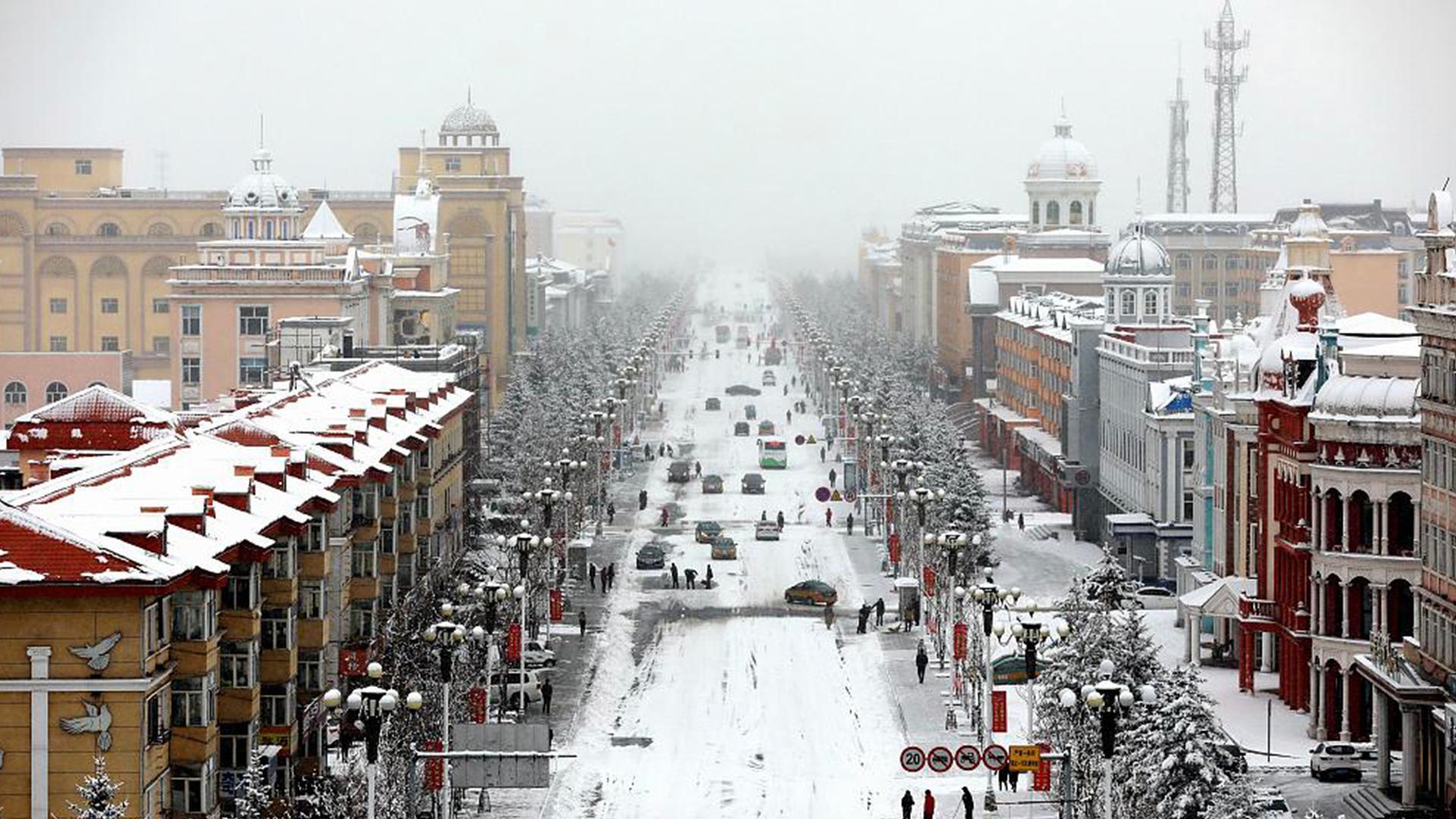
For decades, the residents of Mohe viewed their sub-zero temperatures as a developmental hurdle. The shift began in 2016 following a directive to leverage regional resources, prompting a local recalibration that moved away from extractive industries toward eco-tourism and cold-weather testing. By 2025, Beiji village alone reported 2.73 million tourist visits, generating 2.57 billion yuan in revenue. This transformation is rooted in a deliberate policy of ecological restoration that banned commercial logging and placer mining, allowing the region to capitalize on its pristine forests and winter landscape.
The city’s strategy now relies on diversifying its "cold economy." Beyond tourism, Mohe has become a hub for cold-region vehicle testing, hosting 75 automotive manufacturers during the 2025–2026 season. Local entrepreneurs have also industrialized forest products, with a thriving blueberry wine industry and specialized health resorts utilizing regional medicinal herbs. This economic shift is bolstered by a focus on business infrastructure, where local officials actively scout sites for investors and implement feedback from business owners to maintain a growth-friendly environment. As the region moves toward energy-efficient heating and creative product design, it has successfully transitioned from a resource-depleted outpost into a year-round destination for both travelers and capital investment.
Comments (0)
No comments yet. Be the first!