Modular vs. Manufactured: Decoding Home Ownership in South Carolina
For prospective homebuyers in Upstate South Carolina, the distinction between modular and manufactured housing often remains blurred until the appraisal process begins. Wes Skipper, an Easley-based home building expert, argues that the difference lies not in aesthetics, but in the regulatory codes that dictate long-term equity and financing feasibility.
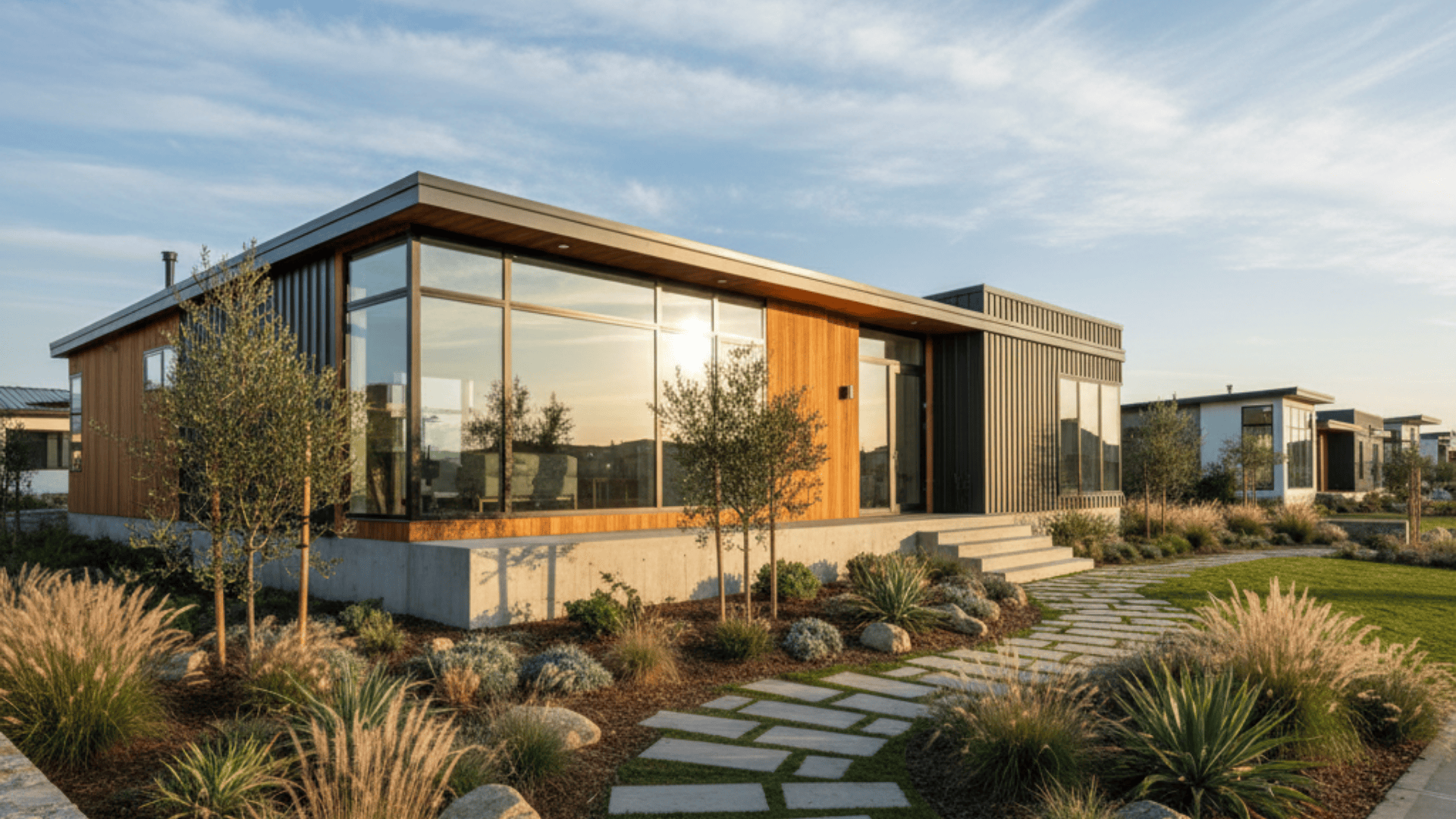
Modular homes are constructed in sections within a factory before being secured to a permanent foundation. Because they adhere to strict state and local building codes, these structures are classified as real property. This designation allows buyers to secure standard fixed- or adjustable-rate mortgages, positioning the home as a comparable asset to traditional site-built houses.
In contrast, manufactured homes—often referred to as mobile homes—operate under the federal HUD code. While this national standard ensures uniformity, it frequently leads to these units being categorized as personal property. Consequently, financing often requires chattel loans, which typically carry higher interest rates and shorter repayment terms.
Skipper emphasizes that these classifications directly influence property value appreciation. Modular homes generally mirror the value trends of surrounding neighborhoods, whereas manufactured homes may face depreciation, particularly if situated on leased land. For homeowners in Easley and beyond, the decision hinges on balancing immediate affordability against the desire for long-term financial stability. Understanding whether a property qualifies as real estate or personal property remains the single most significant factor in navigating South Carolina's current housing market.
Comments (0)
No comments yet. Be the first!