TENA Addresses Common Pelvic Floor Health Questions
As women increasingly rely on artificial intelligence for health guidance, the risk of misinformation regarding pelvic floor care has surged. To provide evidence-based clarity, incontinence brand TENA partnered with 3D movement specialist Zarina Del Mar to address the most frequent AI-prompted inquiries about pelvic floor function and physical therapy.
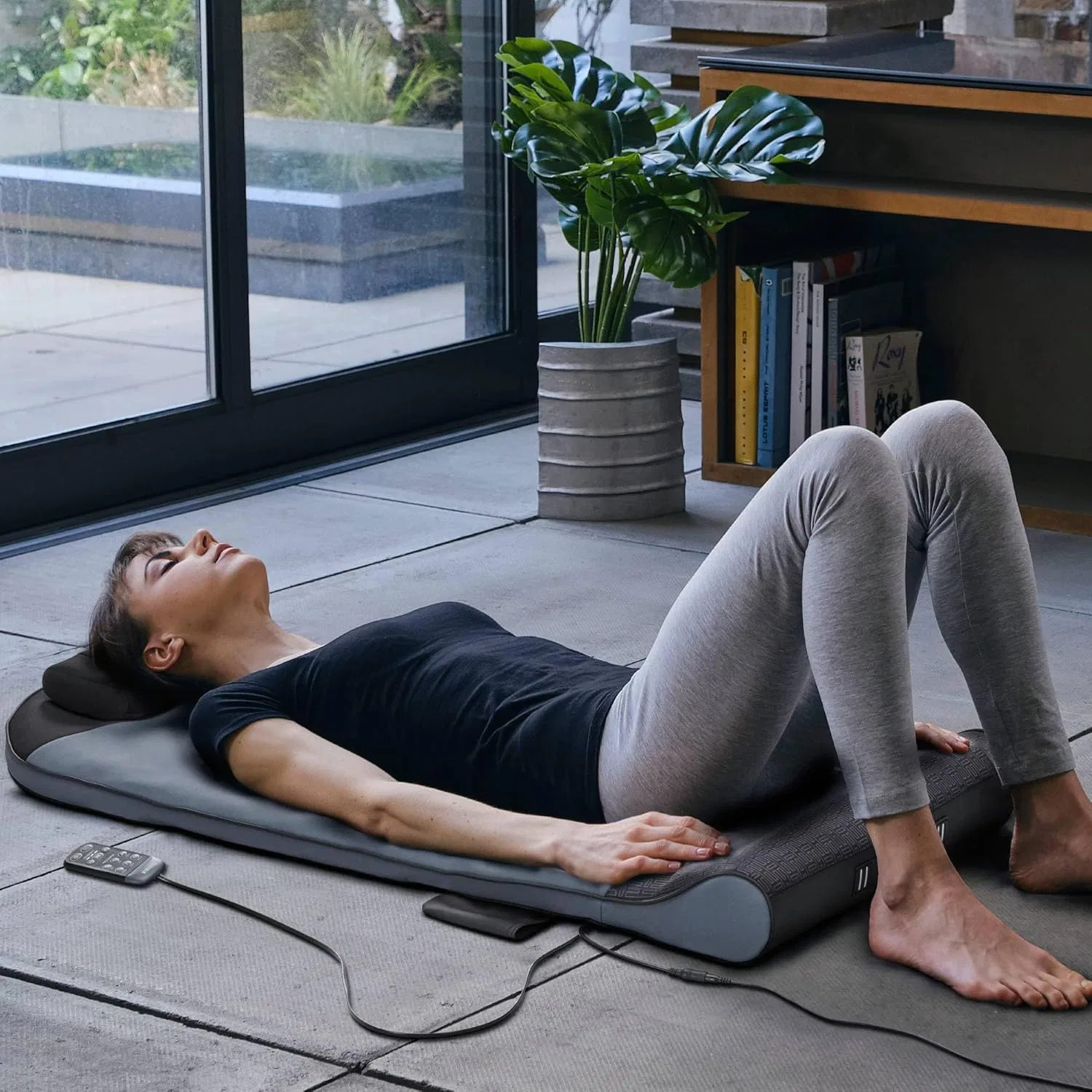
Del Mar emphasizes that pelvic floor health extends beyond repetitive Kegel exercises. She suggests that a functional pelvic floor requires both strength and responsiveness, working in tandem with the diaphragm and deep core muscles. Rather than isolating muscles, she advocates for a holistic approach centered on breath and integrated movement patterns.
For those struggling with muscle tension, Del Mar recommends diaphragmatic breathing and gentle pelvic mobilization to release stored stress in the hips and glutes. She notes that learning to relax the muscles is as critical as strengthening them, though persistent discomfort warrants a professional medical assessment.
Regarding professional intervention, pelvic floor physical therapy evaluates the body as a connected system rather than focusing on a single muscle group. Treatments may incorporate postural analysis, abdominal function assessments, and manual therapy, depending on the patient’s specific symptoms and needs. TENA maintains that while these insights offer guidance, they do not replace formal medical advice from a healthcare provider.
Comments (0)
No comments yet. Be the first!