Decade of Exposure Reveals Asphalt Shingle Wind Vulnerability
A ten-year study by the Insurance Institute for Business & Home Safety reveals that asphalt shingles undergo unpredictable performance shifts as they age. While many products initially gain wind resistance, most experience a significant decline between their fifth and tenth year, exposing critical gaps in current industry classification standards.
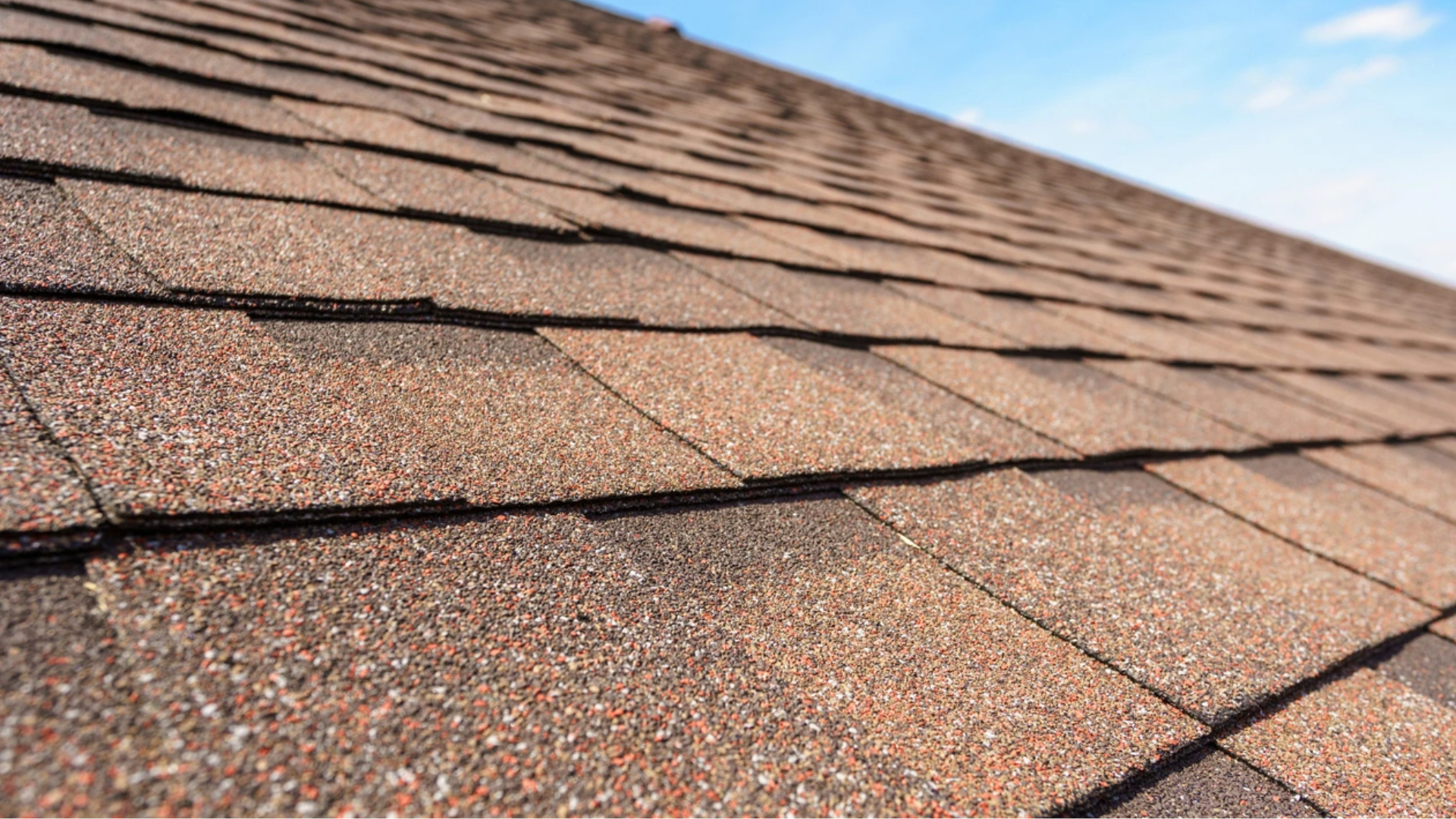
Scientists evaluated shingles weathered in South Carolina, Wisconsin, and Ohio, comparing them against laboratory baselines and five-year samples. The data indicates that sealant failure is the primary driver of wind vulnerability. When the bond holding a shingle flat degrades, the risk of detachment during severe weather rises sharply. Researchers noted that even products sharing the same high-wind classification displayed wildly different outcomes after a decade of exposure to varying solar radiation and temperature cycles.
Jake Sorber, an IBHS research engineer, emphasized that performance is governed by complex, age-dependent variables rather than initial manufacturing specs. Some products retained structural integrity, while others faltered significantly. Because climate conditions and roof orientation dictate how quickly a sealant bond degrades, the study suggests that homeowners and insurers must move beyond simple product ratings to assess actual long-term durability. The IBHS Roof Material Aging Farm program, which began in 2013, will continue tracking these materials through 2045 to refine risk assessment models.
Comments (0)
No comments yet. Be the first!