Global Experts Urge Deeper Cooperation at Beijing Climate Summit
As climate change, biodiversity loss, and pollution converge into a triple crisis, international experts meeting in Beijing this Sunday warned that unilateralism threatens progress. The annual China Council for International Cooperation on Environment and Development assembly emphasized that green transitions require shared technology and unified policy action.
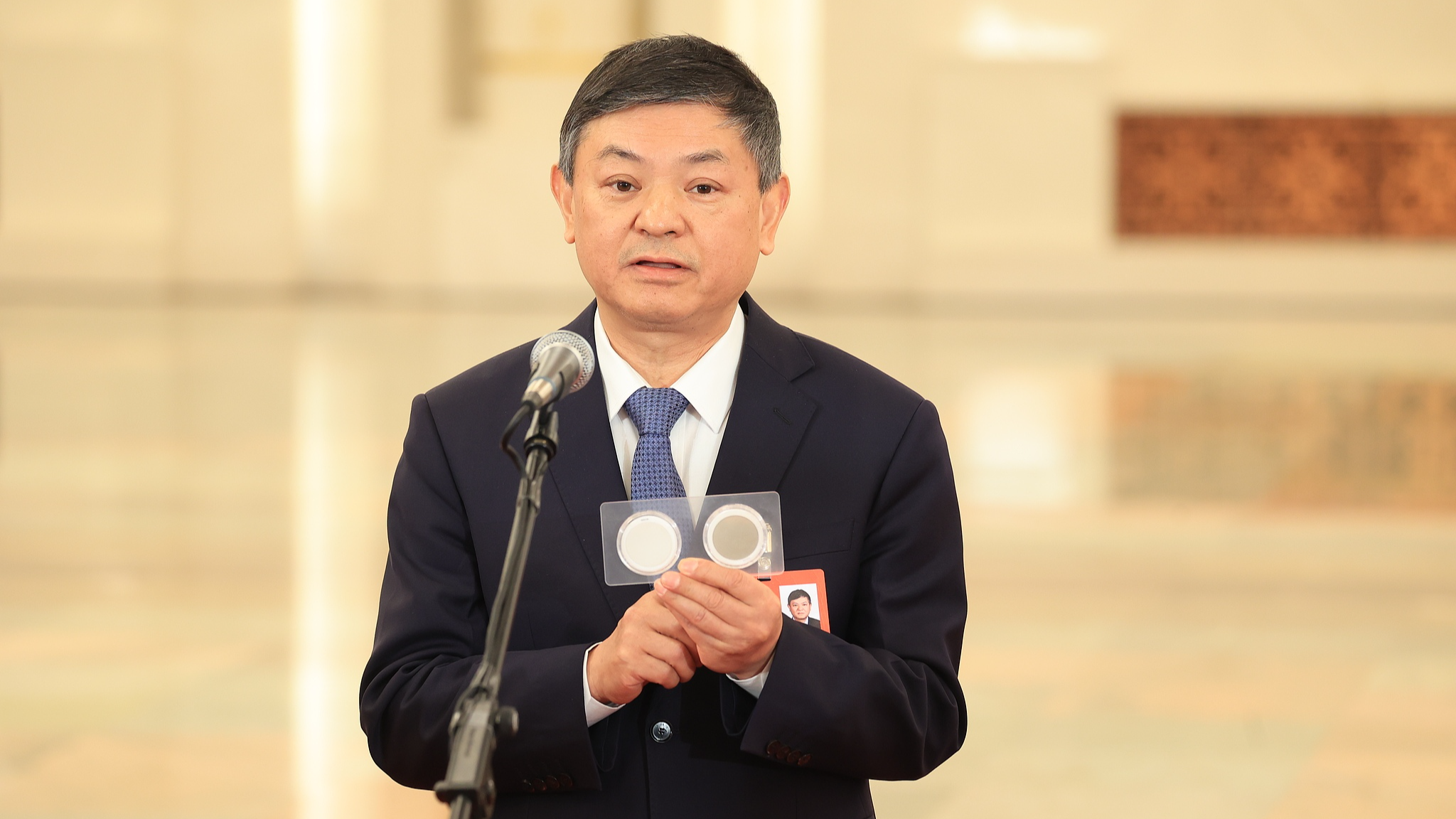
Huang Runqiu, China’s minister of ecology and environment, pointed to domestic benchmarks as proof of industrial-scale change. The country has completed ultra-low-emission retrofits for 1.17 billion kilowatts of coal-fired capacity and 990 million metric tons of crude steel production. With 101 nuclear power units either operating or under development, officials framed these figures as a foundation for broader global climate governance.
International delegates, including Canada’s environment minister Julie Dabrusin and former UN official Achim Steiner, identified the council as a critical bridge. Dabrusin characterized climate action as an economic and strategic necessity, while Steiner noted that China’s upcoming 15th Five-Year Plan signals a shift toward a more integrated approach to development. Kristin Halvorsen, formerly of Norway's CICERO, argued that in a fragmented geopolitical climate, environmental cooperation is no longer a luxury but a fundamental requirement for industrial stability and global survival.
Comments (0)
No comments yet. Be the first!