New GOP Budget Rule Slashes Federal Support for Food Aid Administration
A federal policy shift requiring states to cover a larger share of food assistance administration costs took effect last week, deepening concerns over accessibility. As grocery prices remain elevated, the change forces state agencies to manage the Supplemental Nutrition Assistance Program with half the previous level of federal funding.
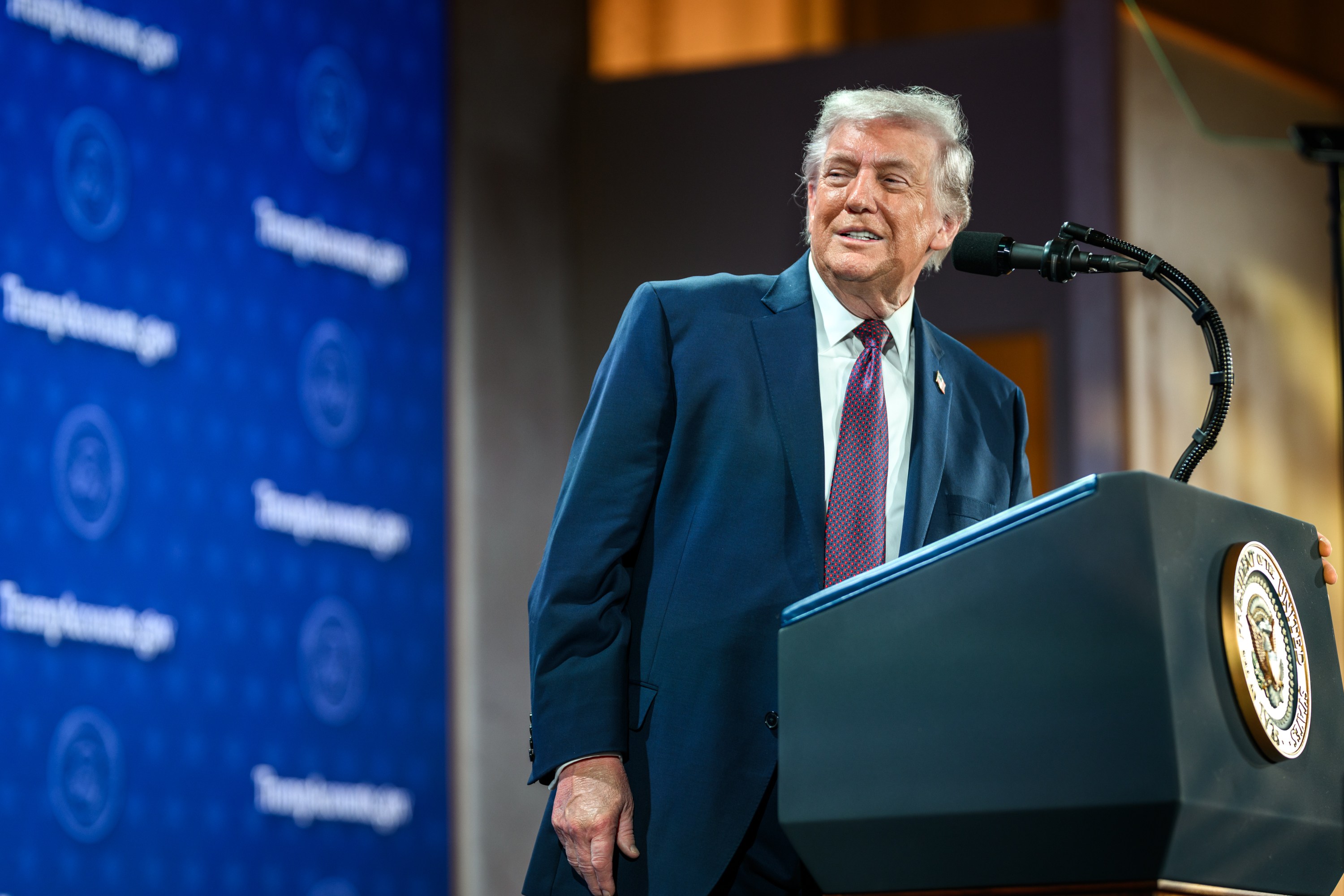
The budgetary adjustment, part of a package signed by Donald Trump last summer, arrives during a period of acute financial strain for millions of families. Katie Bergh, an analyst at the Center on Budget and Policy Priorities, warned that the reduction in federal support risks creating severe administrative backlogs. Without increased state-level funding, many regions face the prospect of staff shortages that could delay, or entirely block, access to benefits for eligible households.
Since the legislation was enacted, an estimated 5 million people—including over a million children—have already lost coverage. Representative Shontel Brown described the impact as a "devastating gut punch," arguing that the combination of new work requirements and slashed administrative budgets is designed to reduce overall participation in the program. Critics from the Food Research & Action Center characterize the policy as a fiscal transfer rather than an efficiency measure, noting that the added cost burden varies significantly by state, ranging from $3 million in Wyoming to $168 million in New York. State officials are now forced to weigh difficult trade-offs, including potential property tax hikes or cuts to other essential public services to maintain current food aid operations.
Comments (0)
No comments yet. Be the first!