The Human Cost of Elon Musk’s Efficiency Mandate
As Elon Musk nears a potential trillion-dollar net worth following the SpaceX IPO, his tenure leading the Department of Government Efficiency faces intense scrutiny. Critics and health experts link his aggressive dismantling of the U.S. Agency for International Development to a surge in preventable deaths across the globe.
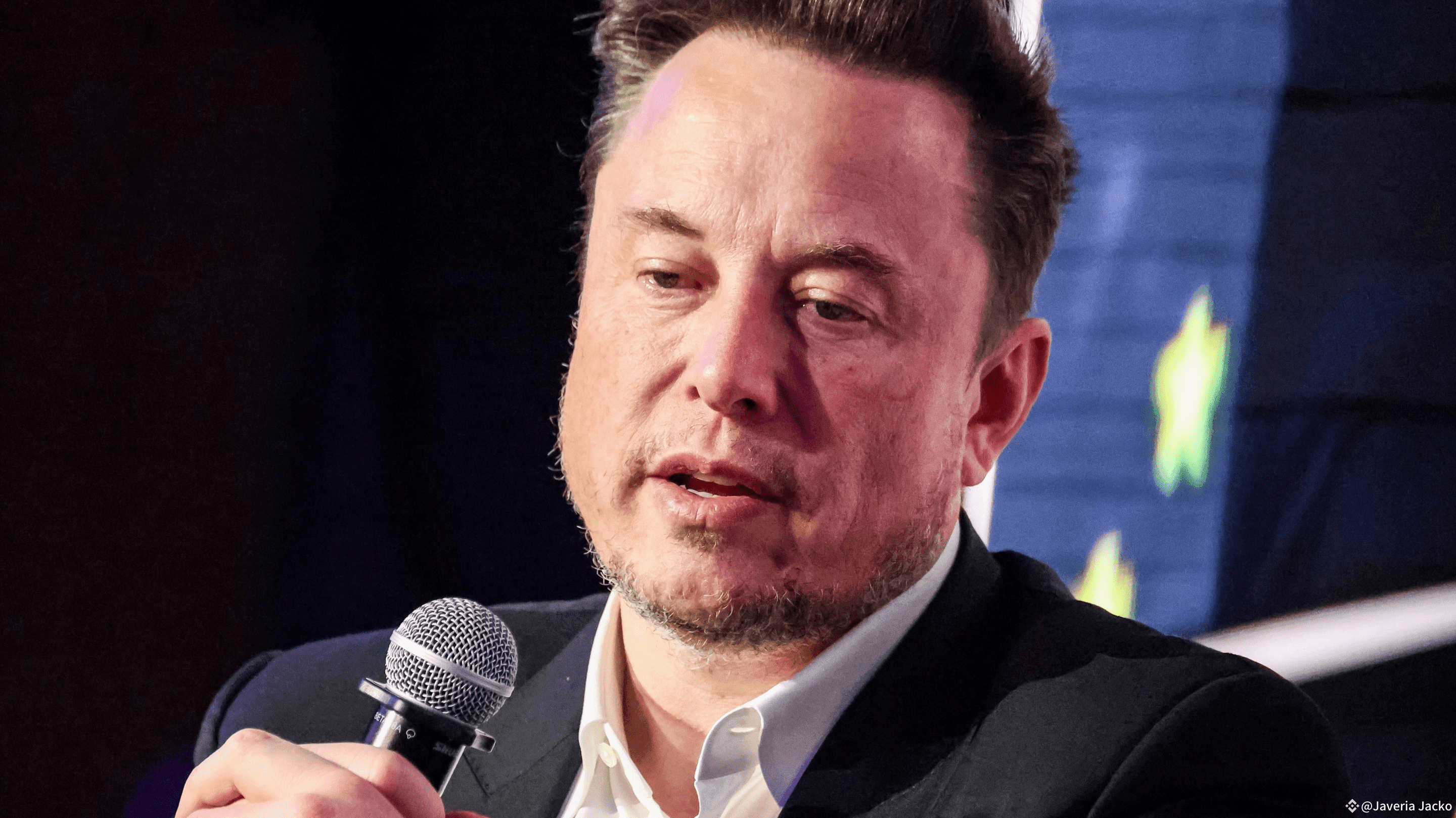
The Department of Government Efficiency (DOGE), spearheaded by Musk during the early months of the second Trump administration, targeted USAID for deep cuts. Musk famously characterized the agency as a criminal organization, publicly equating its dissolution to feeding it into a wood chipper. Subsequent data suggests this rhetoric yielded devastating real-world consequences. Projections from experts, including Boston University’s Brooke Nichols, estimate that the resulting loss of malaria, tuberculosis, and HIV programs could lead to over 780,000 deaths, predominantly among children. Research published in Nature and The Lancet reinforces these concerns, warning of a long-term humanitarian toll that persists even as Musk moves toward his next corporate milestones.
Internal friction within the administration underscored the radical nature of these policy shifts. White House Chief of Staff Susie Wiles reportedly described Musk as a solo actor, noting that he proceeded with the cuts despite the clear potential for widespread harm. While Musk argued that his actions were intended to streamline government operations, the libertarian Cato Institute reported that DOGE achieved minimal savings, instead focusing on a nine-percent reduction in federal staff. Whistleblowers like Nicholas Enrich have testified that the abandonment of critical health infrastructure, specifically Ebola prevention and neonatal HIV initiatives, left vulnerable populations without essential support. As Musk celebrates the financial success of his aerospace ventures, the gap between his stated desire to solve terrestrial problems and the documented impact of his policy intervention remains a subject of profound global concern.
Comments (0)
No comments yet. Be the first!