Renovating Older Homes: A Structural Safety Guide for Greenville
Greenville homeowners often mistake cosmetic stability for structural integrity, yet homes built before 1980 frequently hide systemic hazards behind their walls. Handyman expert Tim Ferruzzi warns that prioritizing aesthetic updates over a rigorous technical evaluation invites unnecessary expenses and long-term safety risks during the renovation of older Eastern North Carolina properties.
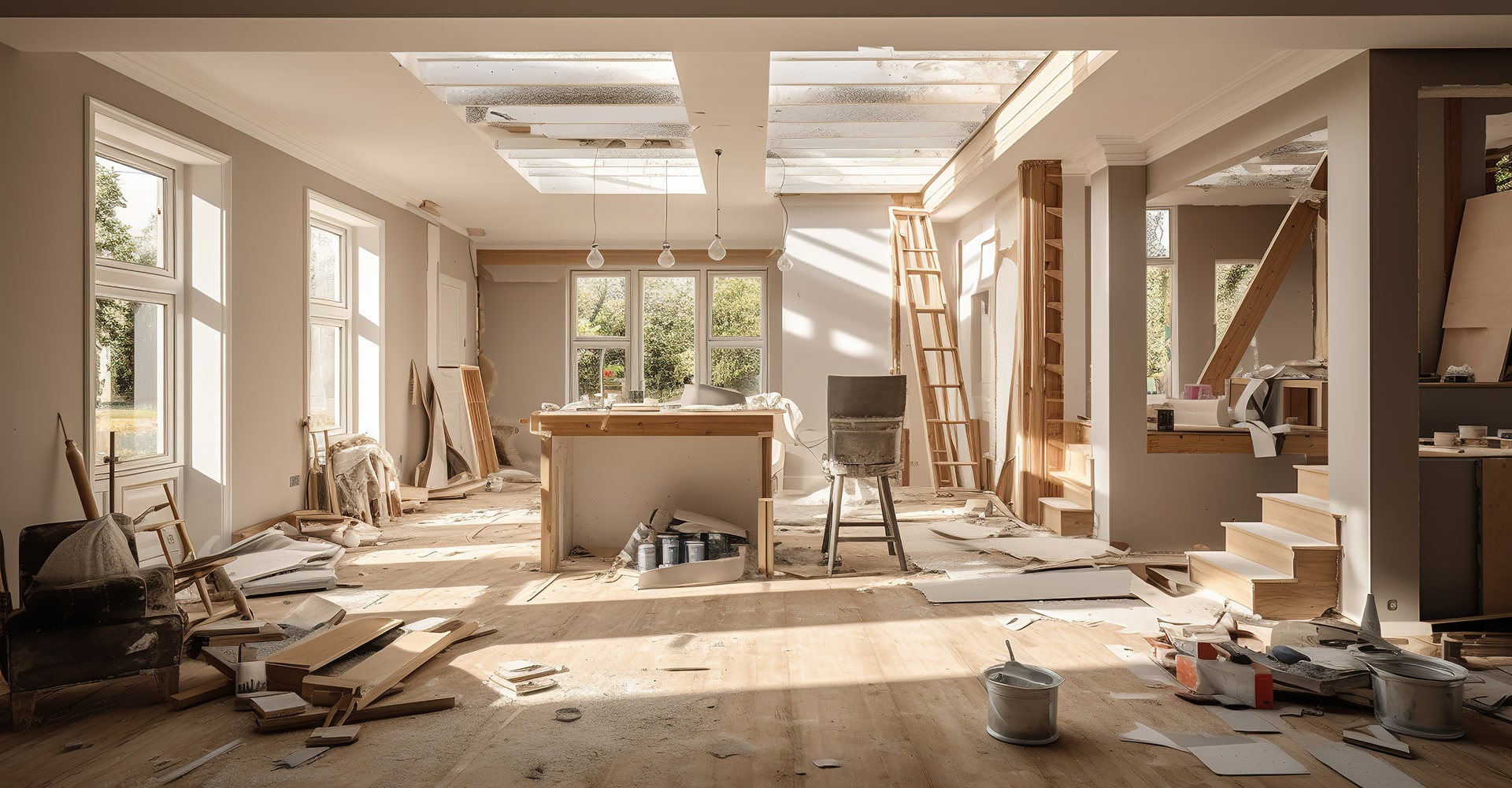
Older construction frequently relies on outdated materials and installation methods that fail to meet modern safety expectations. Ferruzzi emphasizes that a structural assessment must precede any layout changes or surface upgrades. Homeowners should look for red flags like uneven frames, sticky doors, or sagging floors, which often signal that local soil conditions and moisture have compromised the building's foundation over time.
Electrical and plumbing systems require early scrutiny, as these components often face increased strain from modern appliances and lighting demands. Outdated wiring or corroded pipes can lead to significant rework if discovered after finishes are installed. Furthermore, the region's climate necessitates a focus on crawlspace ventilation and vapor barriers. Neglecting these areas can allow moisture to weaken framing, creating hidden rot that remains invisible until demolition begins.
Disturbing original materials also presents potential health hazards, including the presence of lead-based paint or asbestos. Because older framing techniques rarely align with modern conventions, altering load-bearing walls without professional guidance risks the integrity of the entire structure. By sequencing essential repairs and system upgrades before starting cosmetic work, homeowners effectively manage their budgets while ensuring their property remains safe for years to come.
Comments (0)
No comments yet. Be the first!