ZTE Pivots to Token Efficiency at MWC Shanghai 2026
As the artificial intelligence industry shifts its focus from raw computing scale to output efficiency, ZTE has unveiled a full-stack architecture at MWC Shanghai 2026 designed to optimize token production. The company is positioning its new AI-native ecosystem as a critical infrastructure for the next generation of intelligent services.
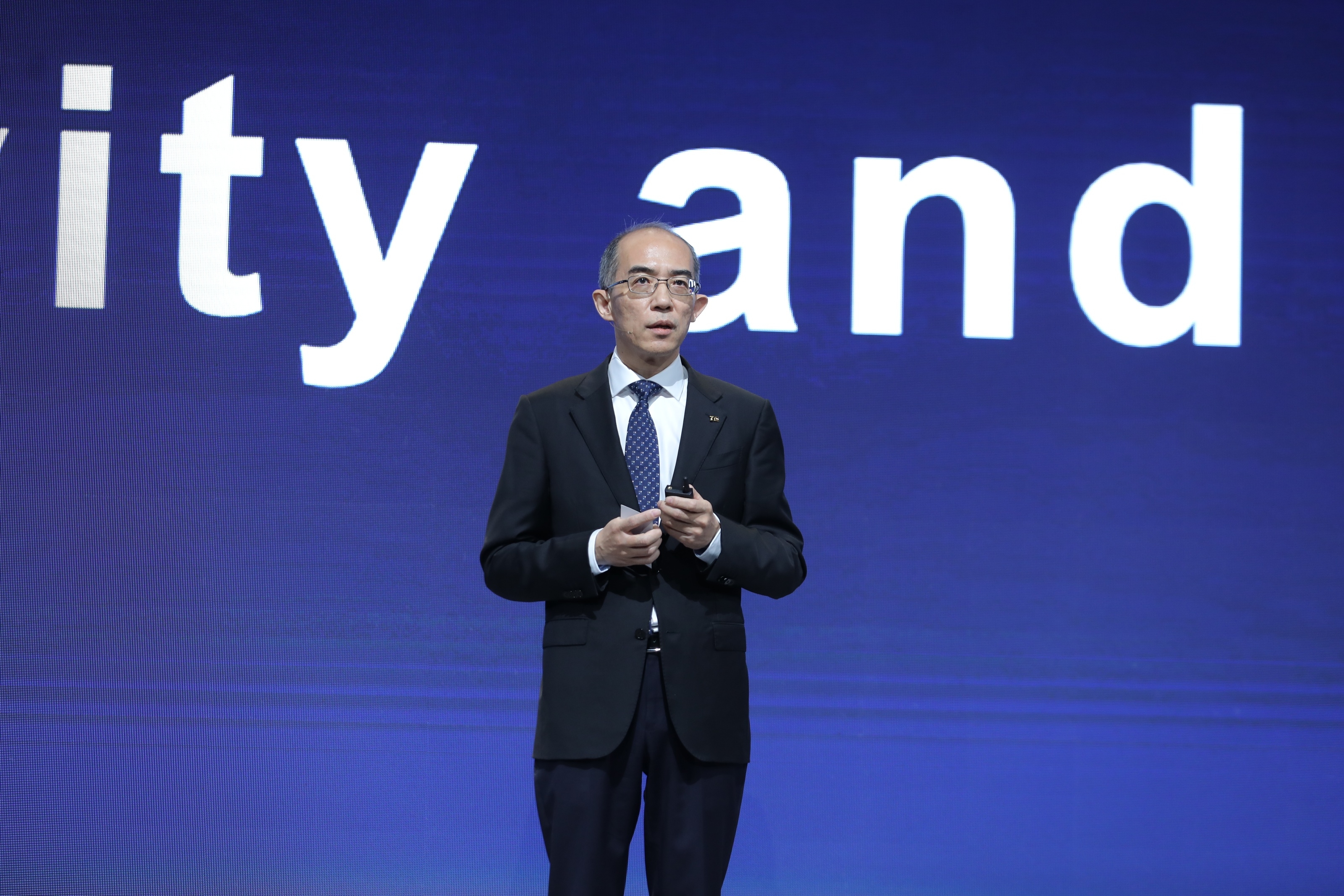
ZTE is betting its future on the concept of "token freedom," aiming to minimize cost-per-token through deep hardware and software synergy. Central to this strategy is the new SuperPod solution, which leverages Orthogonal Electrical eXchange architecture to support up to 16,000 GPUs in a single cluster. By integrating this with high-efficiency liquid cooling and 800V power systems, the company claims it can drive AI factories toward a more sustainable, efficiency-driven model.
Beyond hardware, ZTE introduced the NewStart AIOS to handle the orchestration and scheduling of these AI resources. This operating system serves as the backbone for the Co-Claw enterprise agent platform and a variety of consumer-facing hardware, including AI-native phones and smart displays. The goal is to move beyond simple computing power and create a closed-loop system where tokens can be effectively monetized across enterprise, home, and individual use cases.
ZTE also used the Shanghai event to preview the transition to 6G connectivity, showcasing its GigaMIMO and 256 TR U6G prototypes. By embedding AI directly into network architecture through its AIR MAX and AI HI-NET solutions, the company intends to facilitate the seamless circulation of tokens across expansive, high-speed networks. These developments suggest a broader effort to integrate computing, storage, and network capacity into a single, cohesive fabric for the AI era.
Comments (0)
No comments yet. Be the first!