When Should Your Pet Need a CT Scan?
For pet owners, a persistent limp or mysterious illness often leads to a diagnostic crossroads. Dr. Ashley Wheatley of Greenbrier Veterinary Services in Evans, Georgia, clarifies that CT imaging serves as a critical bridge between initial uncertainty and precise surgical planning for complex orthopedic and neurological conditions.
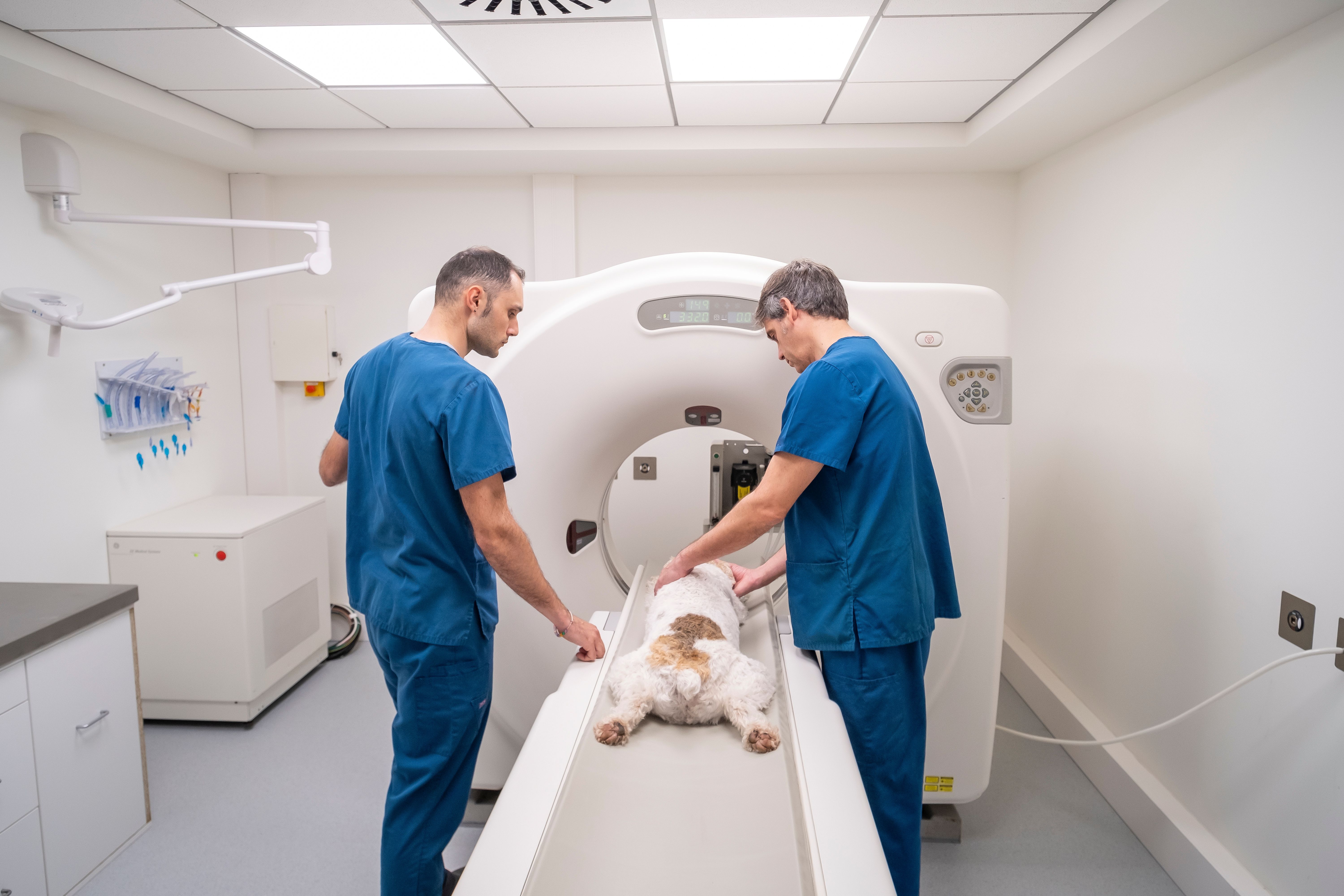
Unlike standard X-rays, which offer a two-dimensional look at anatomy, CT scans provide detailed, three-dimensional perspectives of bones, organs, and soft tissues. This depth is essential for identifying hairline fractures, tumors, or nasal diseases that remain hidden during routine physical examinations. By mapping the exact size and position of an internal issue, veterinarians can develop far more accurate treatment strategies.
Safety remains the primary logistical hurdle, as patients must remain perfectly still to ensure image clarity. Dr. Wheatley notes that most pets require sedation or anesthesia for the procedure. Veterinary teams tailor these protocols to the animal's age, weight, and overall health status. While the scan itself often takes only a few minutes, the process includes careful monitoring by trained staff to ensure the pet remains comfortable and stable throughout.
Not every local clinic possesses the specialized technology required for this level of diagnostics. Owners in regions like Evans should prioritize facilities that demonstrate significant experience with advanced imaging and robust safety protocols. Whether investigating birth abnormalities in younger animals or monitoring the progression of chronic disease in seniors, these scans have become a cornerstone of modern veterinary medicine. When diagnostic clarity is the goal, imaging often provides the most effective path toward recovery.
Comments (0)
No comments yet. Be the first!