Defining Authenticity: The Role of AMI Accreditation in Montessori
When parents navigate the crowded landscape of private education in California, the designation of AMI accreditation serves as a critical filter. Madelynn Van Den Heuvel of the Montessori Community School in Santa Cruz clarifies how this international standard preserves the integrity of Dr. Maria Montessori’s original pedagogical framework.
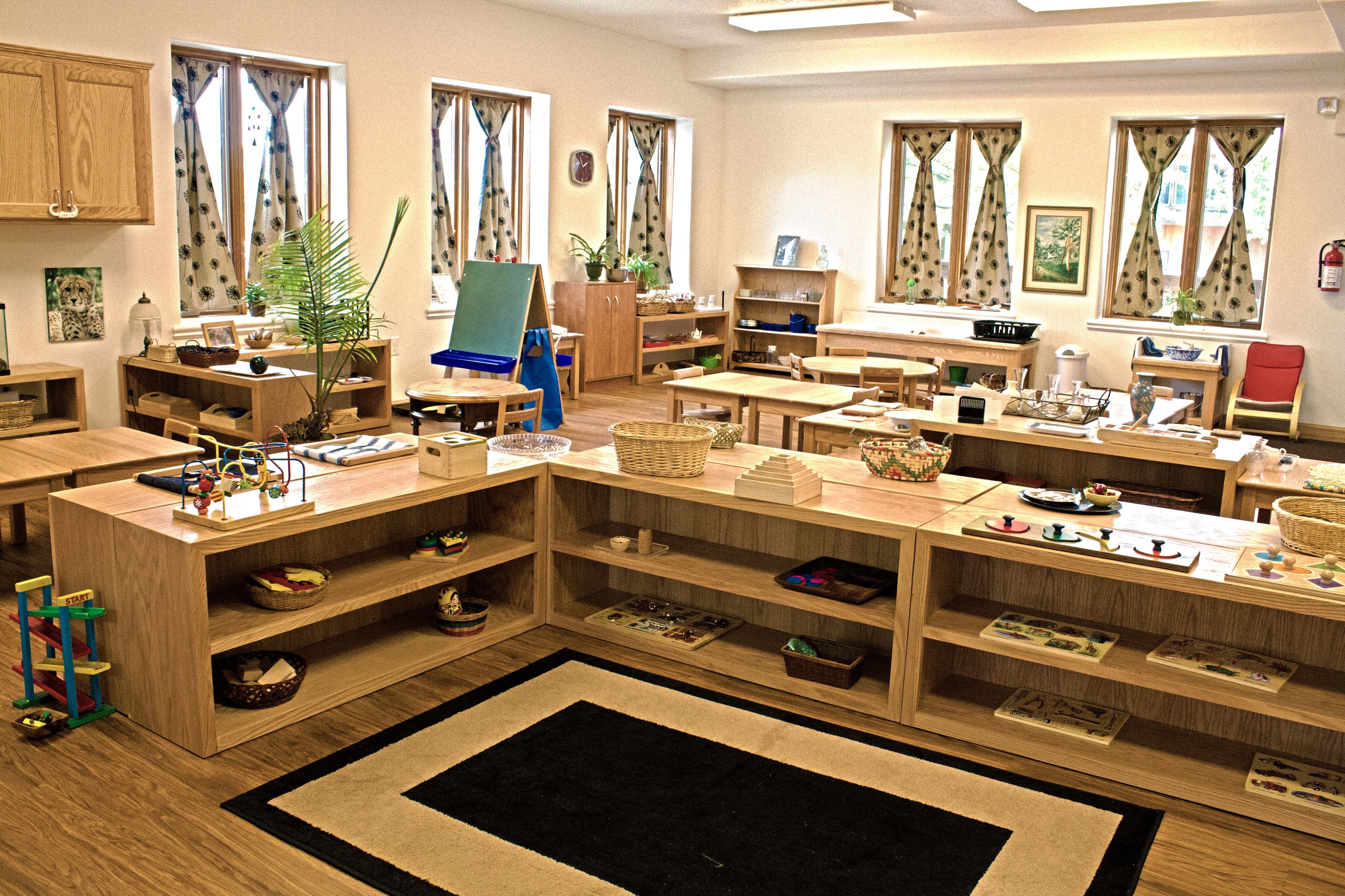
AMI accreditation functions as a rigorous quality control mechanism, ensuring that schools maintain fidelity to child-led learning and developmentally appropriate practices. Unlike broader interpretations of the Montessori method, AMI-certified institutions adhere to strict international guidelines that govern everything from classroom layout to the specific sequencing of educational materials. This standardization creates a predictable, stable environment where students can transition between schools without losing the continuity of their developmental progress.
Central to this model is the intensive preparation of educators. Teachers undergo specialized training that emphasizes observation over instruction, allowing them to step back and facilitate student autonomy. This approach shifts the focus from traditional academic pressure to the cultivation of concentration, confidence, and social awareness. By prioritizing the internal motivation of the child through carefully crafted materials, these schools foster an atmosphere where independence is treated as a core academic skill rather than a secondary outcome.
Comments (0)
No comments yet. Be the first!