The Hidden Connection Between Inner Ear Health and Physical Balance
Dizziness and unsteadiness often serve as silent indicators of underlying auditory decline. Dr. Elizabeth Welch, an audiologist based in Franklin, Tennessee, highlights that the inner ear serves as a dual-purpose sensory hub, meaning that subtle hearing changes frequently arrive in tandem with disruptions to physical equilibrium.
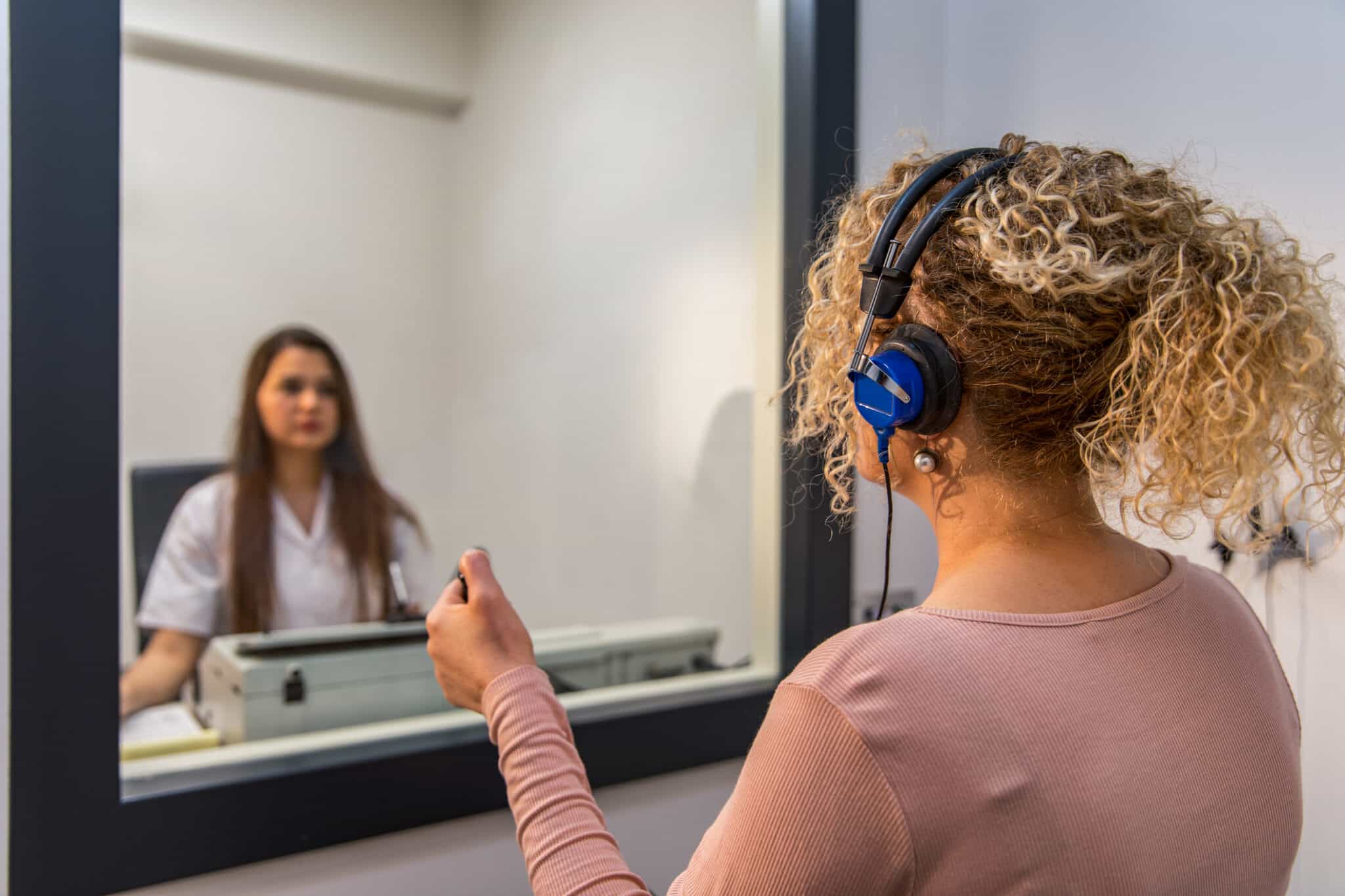
The inner ear functions as a complex network regulating both auditory input and spatial orientation. When conditions like Meniere’s disease, vestibular neuritis, or labyrinthitis develop, they rarely remain isolated to a single sense. Patients often experience vertigo, persistent ringing in the ears, and unexplained fatigue, yet these symptoms are frequently dismissed until a fall or significant physical challenge occurs. Early diagnostic evaluation remains the most effective strategy for mitigating these risks.
In Franklin and surrounding regions, specialists utilize a combination of hearing tests and vestibular assessments to map these issues. Vestibular testing—which tracks eye movements and balance responses during motion—allows clinicians to differentiate inner ear dysfunction from external factors like blood pressure fluctuations or medication side effects. Identifying the root cause early enables targeted interventions, ranging from balance therapy and hearing aids to lifestyle adjustments.
Ignoring these warning signs can compromise an adult’s independence and social engagement. Dr. Welch advocates for a proactive approach: combining routine clinical screenings with cardiovascular health management and consistent balance exercises. By treating hearing and stability as a unified system rather than separate concerns, patients gain the stability necessary to navigate daily life with greater confidence.
Comments (0)
No comments yet. Be the first!