Janus Membrane Solves Solar Desalination of Oily Seawater
A research team at Pusan National University has engineered a multifunctional membrane capable of purifying oily seawater in a single process. By integrating oil-repellent and solar-absorbing layers into a Janus architecture, the design achieves high evaporation rates while overcoming the clogging issues that typically plague solar desalination systems in industrial coastal zones.
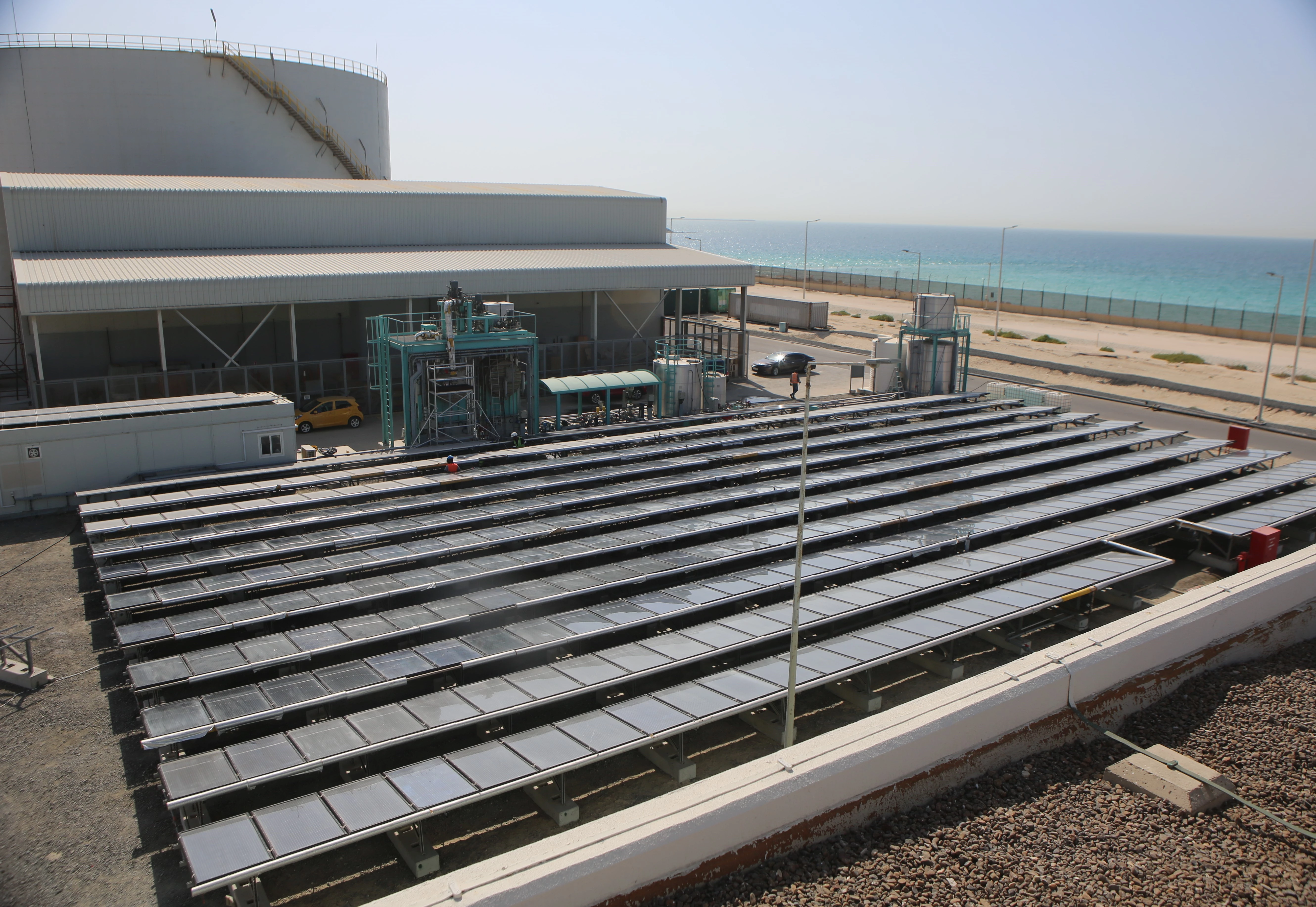
Traditional solar desalination often falters when faced with real-world contamination. Coastal waters near industrial hubs frequently contain oil, which fouls standard membranes and renders laboratory-tested solutions ineffective. Professor Sanghyun Jeong and his team addressed this by developing an asymmetric hydrogel membrane that separates oil and evaporates water simultaneously.
The membrane utilizes a dual-sided design to prevent functional interference. The hydrophilic side, composed of chitosan and polyvinyl alcohol, acts as a barrier to oil droplets. The hydrophobic side, embedded with copper oxide nanoparticles, captures solar energy to drive evaporation. In testing, the device removed 99.99% of oil contaminants and reached an evaporation rate of 1.29 kilograms per square meter per hour—nearly triple the efficiency of conventional single-layer alternatives.
Published in the journal Desalination, the study demonstrates a shift toward rational integration in water treatment engineering. Beyond addressing current water scarcity, the team expects this architecture to serve as a blueprint for systems that treat wastewater while recovering resources from concentrated brines. The technology simplifies the infrastructure required for clean water production in regions where traditional energy sources are scarce.
Comments (0)
No comments yet. Be the first!