Choosing Recovery Boots: A Practical Guide for Home Wellness
A runner seeking post-mile relief has vastly different needs than a nurse finishing a twelve-hour shift. As home recovery tools move from niche athletic gear to household staples, selecting the right compression boots requires looking past technical specifications to prioritize how a device actually fits into a daily routine.
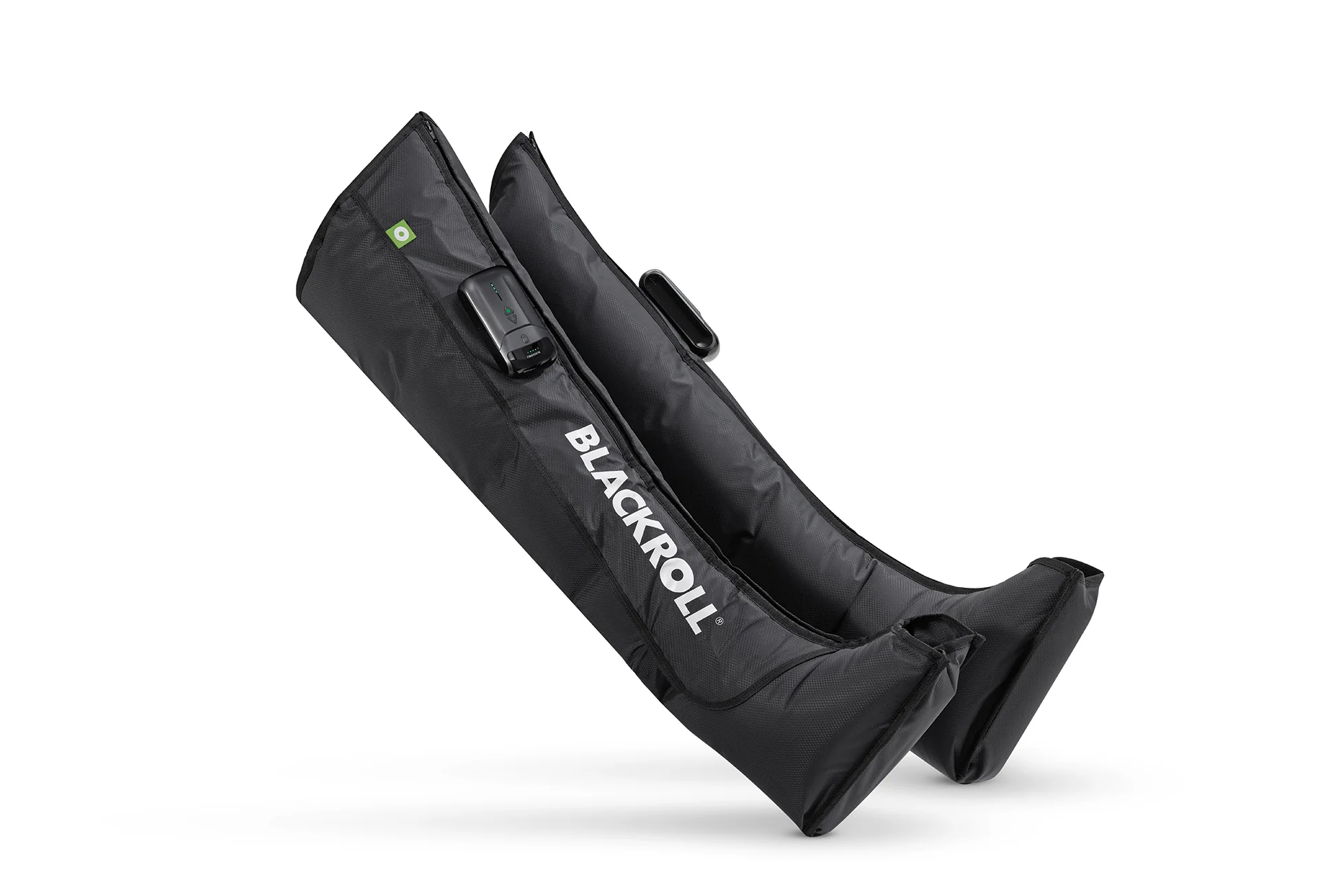
For many, the appeal of recovery technology is overshadowed by the complexity of setup and storage. FIT KING, a brand specializing in compression wellness, suggests that shoppers evaluate five specific pillars: coverage, control, setup, portability, and value. While high-end specs often dominate marketing, a device that remains in a box because it is difficult to operate provides zero benefit to the user.
Coverage defines the physical reach of the boots, whether targeting just the feet or extending to the full leg. Control interfaces, such as adjustable intensity levels and massage modes, dictate how tailored the session feels. Portability becomes critical for those who travel or need to move equipment between rooms, making cordless designs particularly attractive for busy schedules. Ultimately, the best value is not determined by a price tag but by whether the device's features align with a user's specific lifestyle needs, such as managing circulation or relieving muscle fatigue.
To address these varied needs, the company is promoting its FT-130A 5-Chamber Cordless Compression Recovery Boots. This model features a dual-battery system and adjustable intensity ranges from 50 to 150 mmHg. As consumers transition from summer activities to fall routines, FIT KING is offering a 10% discount on the unit via both Amazon, using code 10FITKING, and their official website with code FT130A. Choosing the right tool comes down to identifying which features—ease of use, specific pressure control, or mobility—will actually encourage consistent, daily application.
Comments (0)
No comments yet. Be the first!