Beyond Carburetors: How Modern Tune-Ups Keep Advanced Engines Running
Drivers still clinging to memories of manual carburetor adjustments may be surprised by the reality of current vehicle maintenance. In Milton, Florida, repair expert Gerald Gillis notes that today’s tune-ups have moved away from hands-on mechanical tweaks toward sophisticated digital diagnostics and sensor-based preventive care.
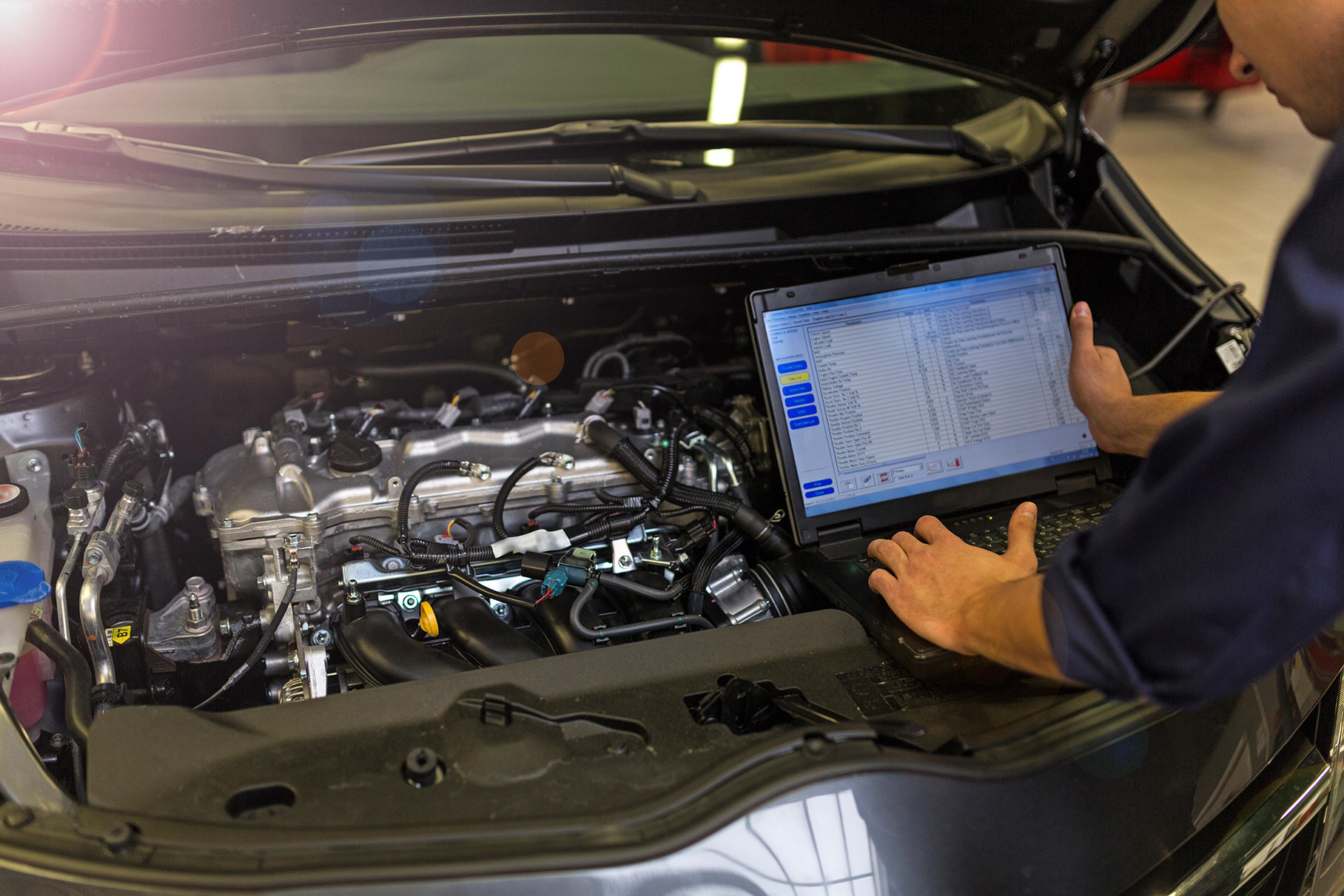
Modern vehicles rely on electronic fuel injection and computerized controls that automatically manage timing and fuel delivery. Because these systems adjust themselves, the traditional tune-up has evolved into a process centered on identifying wear before it becomes a failure. Gillis emphasizes that while dashboard warning lights are common indicators of trouble, many performance-robbing issues—such as clogged fuel injectors or degrading ignition coils—can manifest long before a light illuminates.
Key elements of this modern approach include spark plug replacement, which remains vital for combustion efficiency, and computer scans that reveal hidden codes or sensor irregularities. Beyond the engine, technicians now evaluate fluid health and emissions components like mass airflow sensors to ensure the vehicle meets performance standards. Gillis argues that because modern engines are designed to compensate for minor imbalances, they can appear to run smoothly even as internal problems quietly escalate. Consequently, he advises owners to tailor maintenance intervals to their specific driving habits, such as frequent stop-and-go traffic or towing, rather than relying exclusively on generic mileage recommendations.
Comments (0)
No comments yet. Be the first!