LG Energy Solution and SNU Breakthrough Stabilizes Next-Gen LMR Batteries
Gas evolution has long hindered the commercialization of lithium manganese-rich batteries, a cheaper alternative to cobalt-based power cells. By optimizing electrochemical protocols for large-format 40Ah cells, a joint research team from LG Energy Solution and Seoul National University has finally unlocked a viable path for their use in electric vehicles.
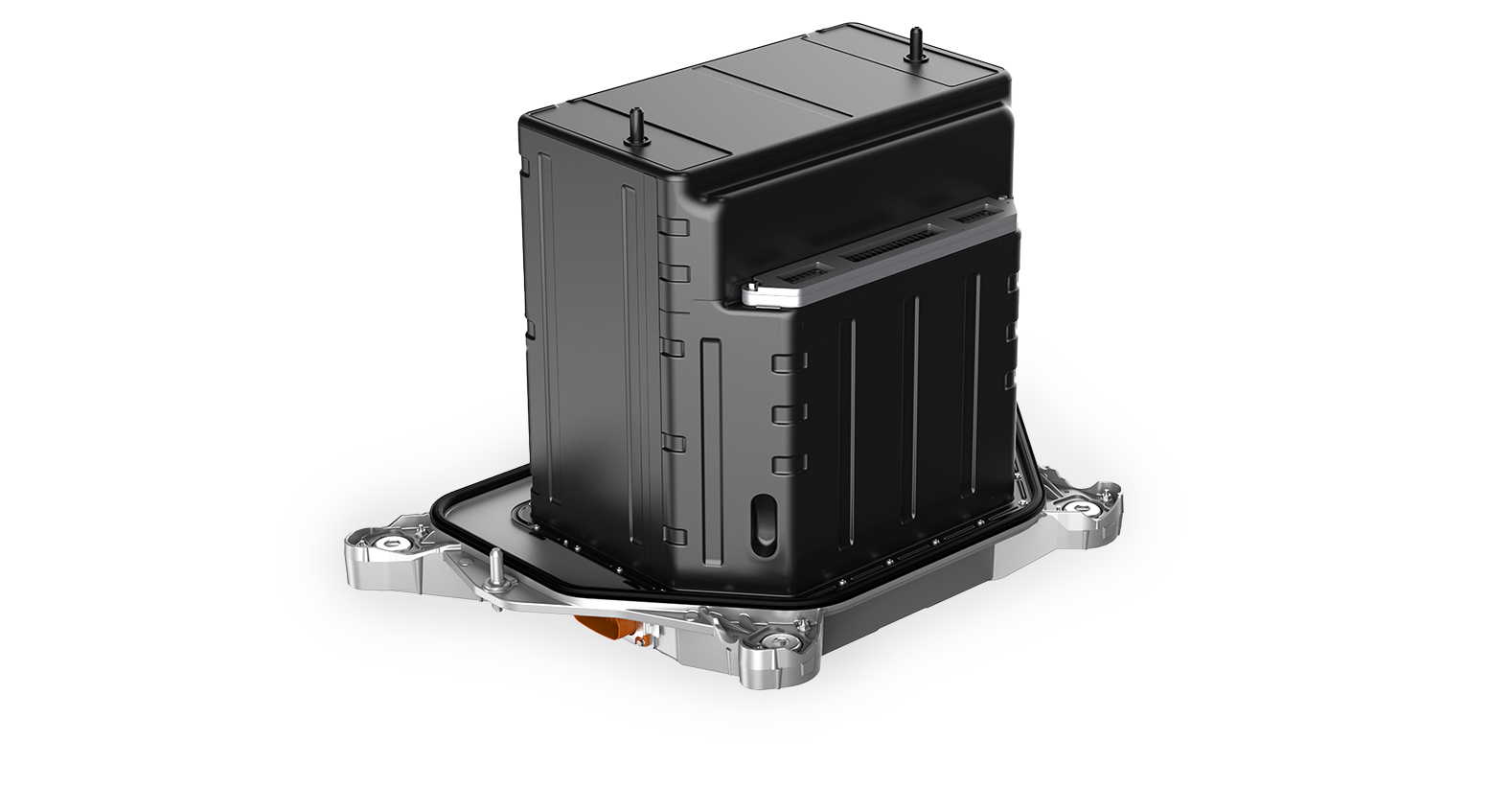
The research, published in Nature Communications, centers on the behavior of oxygen within the cathode. In LMR batteries, energy storage relies on both transition metals and oxygen. When oxidized oxygen fails to return to its original state during discharge, the resulting internal gas pressure compromises the battery's structure and performance. This instability is particularly severe in the large-format cells required for automotive applications.
Professor Jongwoo Lim and the LG Energy Solution team discovered that oxygen recovery is heavily dependent on specific voltage windows. By lowering the upper charging voltage from 4.6V to 4.3V, they increased oxygen reduction from 86 percent to 97 percent. Further extending the discharge range by lowering the cutoff from 3.0V to 2.0V allowed the material to recover to near-original states. These adjustments, combined with a redesigned formation process, enabled 40Ah-class cells to retain 92.2 percent of their energy after 883 cycles, proving that large-scale durability is achievable without exotic new materials.
Comments (0)
No comments yet. Be the first!